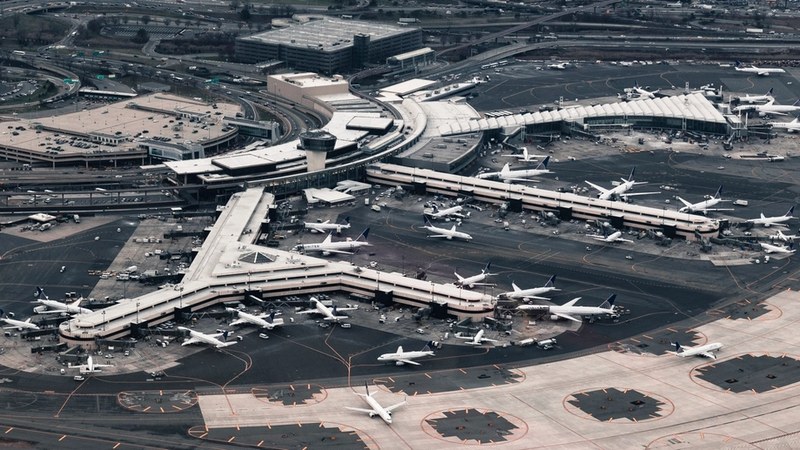
On July 17, 2026, Canadian air travel encountered significant interruptions with over 100 flight cancellations and approximately 660 delays reported nationwide. The disruptions concentrated at the country’s busiest airports: Toronto Pearson International Airport, Vancouver International Airport, Montreal–Trudeau International Airport, and Calgary International Airport.
Air Canada, WestJet, and Porter Airlines, along with several regional carriers, bore the brunt of the operational challenges. Key routes experiencing major disturbances included Calgary to Toronto, Calgary to Vancouver, Toronto to Vancouver, and Toronto to Montreal. Air Canada faced cancellations and extended delays particularly at its hubs in Toronto, Montreal, Calgary, and Vancouver. WestJet saw delays
exceeding one hour on some departures from Calgary and Toronto, accompanied by several cancellations. Porter Airlines experienced delayed departures on select routes affecting connections to Montreal, Ottawa, and regional destinations. Regional airlines that feed into these major hubs also encountered flight retimings and aircraft swaps due to upstream cancellations.
Operational Causes Behind Disruptions
The disruptions arose from multiple factors. Staffing pressures including crew shortages, ground handling, and maintenance bottlenecks intensified during the peak summer travel period. Weather also played a role, with summer thunderstorms around Toronto and Montreal and low visibility conditions at Vancouver triggering air traffic flow control and temporary ground holds. Structural
changes, such as airlines reducing or modifying routes in response to volatile jet fuel markets, decreased spare capacity in key domestic and transborder corridors. This combination of factors created cascading delays and cancellations across the network.
Passenger Impact and Airport Conditions
Passengers experienced longer wait times at check-in counters, crowded security lines, and congested departure areas at the major airports. Many were rebooked onto later flights or rerouted through alternate hubs such as shifting itineraries from Toronto to Montreal or Calgary to Vancouver. Travelers connecting to secondary cities including Edmonton, Halifax, Winnipeg, and Quebec City faced missed connections and overnight delays, increasing hotel demand near
major airports.
Comparison to Previous Performance and Travel Advisory
The volume of cancellations and delays on July 17 exceeded recent federal performance benchmarks which recorded cancellation rates in the low single digits during 2023. The day’s disruptions form part of a broader pattern of operational strain seen during busy summer travel. Analysts urge travelers to allow extended connection times and consider earlier departures to mitigate risks of missed flights on heavily trafficked routes. Understanding Canadian air passenger protection regulations concerning delays and cancellations can assist passengers in managing their travel plans amid ongoing system pressures.