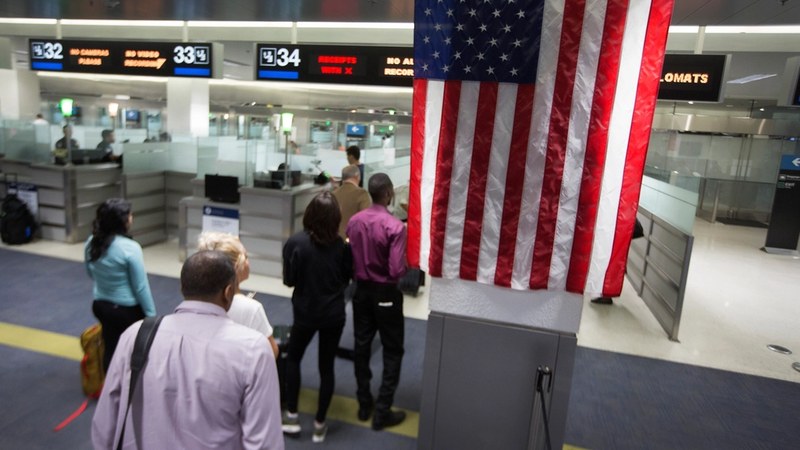
A federal judge in Boston issued a preliminary injunction on September 14, 2026, postponing enforcement of a Department of Homeland Security policy that would have limited international student visas to four years starting September 15, 2026. The four-year visa cap would have required students enrolled in longer programs to apply for extensions to continue their studies.
Impact on Boston-Area Universities and Graduate Programs
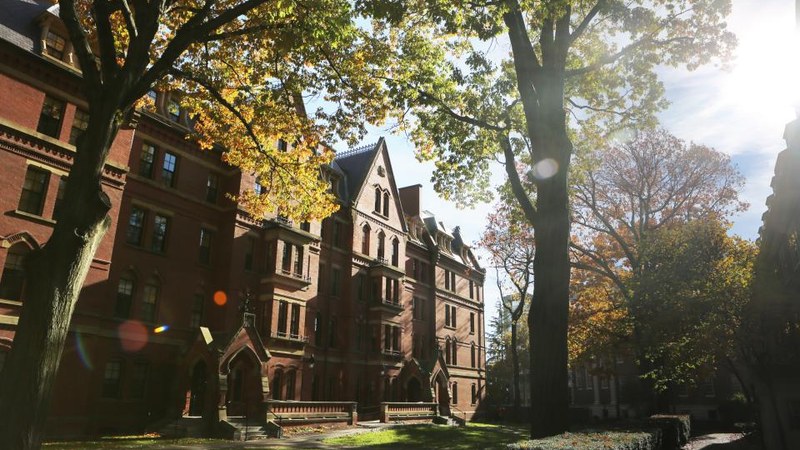
The visa policy threatened institutions with high proportions of international students, especially at graduate levels. Boston University reported 28% of graduate students as international, Harvard’s Graduate School of Arts 38%, Massachusetts Institute of Technology over 40%, and Northeastern University topped just over 56%. PhD
programs, which average more than five years to complete, faced significant disruption due to the four-year cap. The policy was part of the Trump administration’s broader effort to reduce the numbers of international students, researchers, professors, and journalists in the United States.
Legal Challenge and Judicial Criticism
The Presidents’ Alliance on Higher Education and Immigration and the Association of Independent Colleges and Universities in Massachusetts filed the lawsuit to block the rule, arguing the arbitrary timeline was detrimental to universities and international students. Judge F. Dennis Saylor criticized the government’s rationale as “exceptionally weak,” emphasizing that the current visa system supports “groundbreaking research in science,
medicine, and technology, substantial economic growth.” He noted immigrants attending American universities have been named as inventors on a disproportionate number of patents and awarded a disproportionate number of Nobel Prizes.
Saylor warned that the policy could cause “catastrophic” economic and educational harm. He also highlighted risks of political abuse in the visa extension process, which would allow government officials to curtail research without appeal, creating uncertainty for students and institutions: “Moreover, it is not difficult to imagine how that system might be abused to punish those whose viewpoints or research are disfavored by the officials making the decision —
or, indeed, punish disfavored institutions.” The government received nearly 22,000 public comments opposing the rule but dismissed them as speculative.
Government Defense and Official Statements
The Department of Homeland Security defended the policy as necessary to combat immigration fraud, calling criticism of the delay “the performative outrage is incredible.” DHS accused foreign nationals of previously abusing the visa system and asserted the rule ensured that only those with legitimate study intentions receive student visas, stating, “Where was the outrage when foreign nationals were abusing the system, violating the terms of their student visas, and making a mockery of our immigration laws? If the media really
cared about legitimate international students, they would be thanking President Trump for cracking down on the rampant fraud to ensure only those truly intending to study in the United States are given the privilege.” Brett Shumate, assistant attorney general for the Department of Justice, described the existing visa system as outdated and in need of overhaul to protect national security.
Economic and Enrollment Effects
International student enrollment declined ahead of the rule’s implementation. Common App reported a 10% decrease in international applications for the latest cycle, while NAFSA: Association of International Educators observed a 21% drop in doctoral program applications. Massachusetts, with its large
number of international students, faces an estimated $284 million economic loss linked to declining enrollment, ranking third nationally behind California and New York.
The court order allows international students to continue their studies under existing visa conditions during the injunction, pending further legal developments.