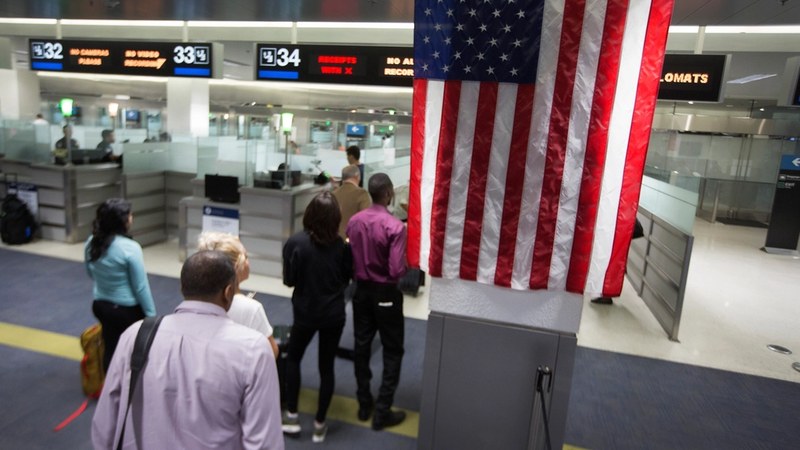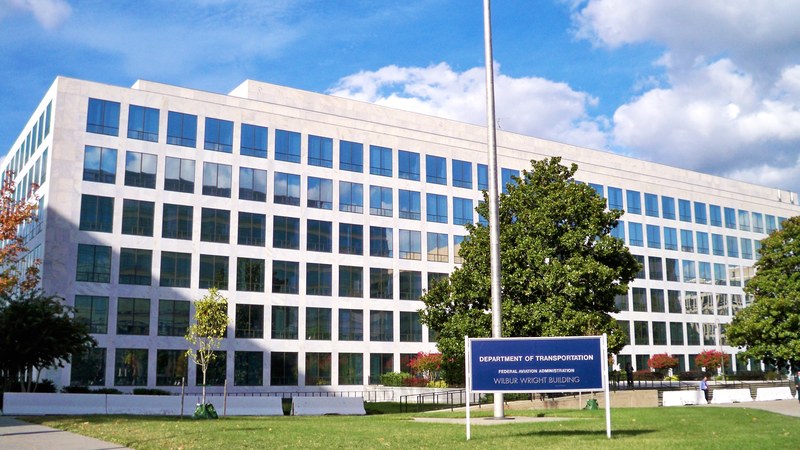
Illinois and 21 other states, including the District of Columbia, filed a lawsuit Monday morning in the Southern District of New York aiming to block a Trump-era Department of Homeland Security (DHS) rule. The rule broadens immigration officials’ authority to deny green cards, visas, or entry into the US to applicants who might become dependent on government aid.
New DHS Rule Expands Public Charge Considerations
The rule, set to take effect the Friday following September 14, 2026, removes the Biden administration’s 2022 exclusion of non-cash benefits from public charge determinations. It allows DHS officers to consider any means-tested public benefits, such as Medicaid, food stamps, or housing
vouchers, without specifying which programs count. Additionally, benefits applied for on behalf of family members, including US citizen children, are considered under the policy.
The lawsuit argues that DHS exceeded its authority by expanding the public charge definition beyond Congressional approval. Plaintiffs contend the rule is arbitrary and capricious, failing to justify its changes or account for the harmful effects on immigrant families.
Financial and Community Impact of the Rule
New York State estimates the DHS rule could trigger a nationwide loss of approximately $4.05 billion annually in federal Medicaid and CHIP transfer payments. The coalition of states involved in the suit projects their combined loss at
about $2.2 billion in reduced federal funding. This stems from fears among immigrant families, especially mixed-status households, prompting them to disenroll from public benefit programs.
The lawsuit highlights that reduced participation in healthcare, food assistance, and housing supports could increase costs for states, disrupt public health, affect local economies, schools, and public safety in major immigrant communities across the nation.
Officials Condemn Impact on Immigrant Families
New York State Attorney General Letitia James criticized the rule for exploiting immigrant families’ fears, forcing them to abandon benefits they are legally entitled to: “Hardworking families should not be forced to go without the support they need because they
fear asking for assistance will get them deported,” James said. “This rule preys on that fear and counts on families forfeiting the food assistance, health care coverage, and other public benefits to which they are legally entitled.”
New York City Mayor Zohran Mamdani, leading a coalition of cities filing a parallel lawsuit, warned the rule would push immigrant families away from programs vital to their wellbeing. He said, “New Yorkers will be afraid to see a doctor or ask for help they are legally entitled to. That fear will not stop at the families that the federal government is targeting.
Families who remain fully eligible for benefits will feel a chilling effect, and all New Yorkers will pay for it.”
Historical Context and Broader Legal Challenge
The public charge provision originates from the Immigration Act of 1882, intended to prevent immigrants from becoming public burdens, historically considering only cash benefits. The Trump administration’s first public charge rule in 2020 expanded this to include non-cash benefits like Medicaid, food stamps, and housing vouchers. The Biden administration reversed that in 2022 before the new rule reinstated and expanded the Trump-era policy without limiting which safety net programs are included.
The states’ lawsuit requests that the court block and
invalidate the DHS rule without seeking monetary damages. The plaintiff states include California, Colorado, Connecticut, Delaware, Hawaii, Illinois, Maine, Maryland, Massachusetts, Michigan, Minnesota, New Jersey, New Mexico, Nevada, Oregon, Pennsylvania, Rhode Island, Vermont, Virginia, Washington, Wisconsin, plus New York State and the District of Columbia.
Major Cities and Counties Joining Lawsuit
Several local governments with large immigrant populations are also expected to join the legal action. Among them are Chicago, San Francisco, Seattle, Santa Clara County in California, and King County in Washington. These areas are vulnerable to the rule’s chilling effect and fiscal consequences due to their dependence on federal funding for public benefit programs.