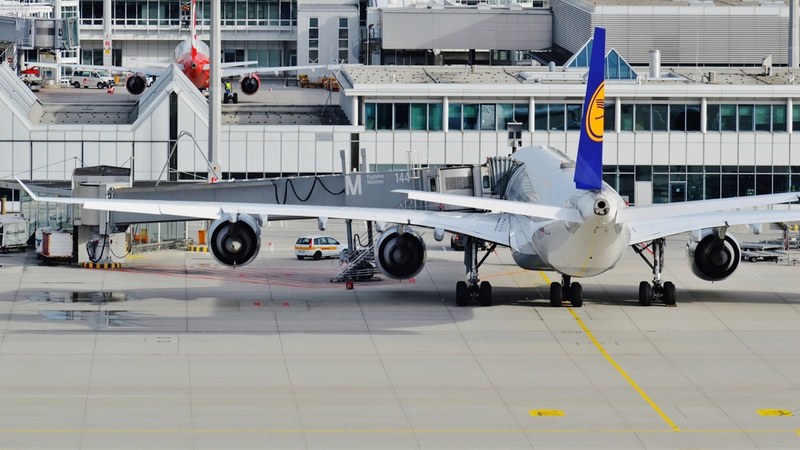
On Tuesday, November 3, 2026, at least seven flights and one Israel-bound cruise ship in Europe received bomb threats, affecting airports in Poland, Italy, Bulgaria, and Spain. Security teams conducted thorough searches at all locations, finding no explosive devices.
Flights and Routes Affected
The bomb threats targeted two flights to Warsaw; two flights to Sofia, Bulgaria; two flights to Rome, Italy; and one flight to Murcia Airport, Spain. Additionally, a Wizz Air flight from London to Sofia was threatened and diverted to Budapest the previous day, November 2. A Wizz Air flight from Milan/Bergamo to Sofia carried 176 passengers, while a Ryanair flight from
Dublin to Sofia had 186 passengers onboard. Ryanair flights affected included the routes from Manchester to Murcia, Lisbon to Rome, Dublin to Rome, and Dublin to Sofia. SAS Scandinavian Airlines’ flight SK751 from Copenhagen to Warsaw was also threatened but landed safely.
Airport Closures, Diversions, and Military Escorts
Warsaw’s Chopin Airport temporarily closed one runway for security checks after threats to flights destined there. Warsaw Modlin Airport was briefly closed after diverting a LOT Polish Airlines flight from London, originally bound for Chopin, for inspection; no threat was found and the airport resumed operations. At Murcia Airport, parts of the facility were cordoned off following a
bomb threat on a Ryanair flight from Manchester. Ryanair’s Dublin to Rome flight was escorted by an Italian Air Force jet until landing at Rome Fiumicino Airport.
On November 2, Hungarian Defence Forces scrambled Gripen fighter jets to escort the Wizz Air flight diverted to Budapest. Hungarian Defence Minister Romulusz Ruszin-Szendi confirmed these military measures ensured the safe landing of the passenger aircraft.
Official Statements and Security Responses
Polish airport authorities stated no explosive devices were found following inspections at Chopin and Modlin airports. The Bulgarian Transport Ministry confirmed bomb threats against flights from Milan/Bergamo and Dublin to Sofia came to nothing after security checks.
London Metropolitan Police confirmed they were aware of threats linked to four aircraft scheduled for Heathrow and one bound for Manchester Airport but reported no findings post-inspection. Rome Airport operator ADR confirmed two Ryanair flights were searched and that the alerts were lifted with normal operations continuing. The Italian Air Force’s escort of the Ryanair flight concluded without incident.
Greek Coast Guard personnel, aided by an explosives detection dog and diver, searched the Panama-flagged Crown Iris cruise ship near the island of Syros in Greece after a bomb threat was made. The ship was cleared after initial checks and awaited
further inspection before continuing its voyage to Israel.
Context and Expert Analysis
No group claimed responsibility for the bomb threats, and officials did not identify culprits. The incidents fit a pattern of recent ‘hybrid attacks’ in Europe, involving sabotage and cyber disruptions, with state actors such as Russia and Iran blamed by European officials, although neither has accepted involvement. Similar disruptions included recent hacking incidents shutting down refrigeration units in European supermarkets.
Eric Schouten, head of aviation security group Dyami, linked the threats to a broader strategy to destabilize Europe through low-cost, deniable disruptions affecting critical infrastructures.
Disruption Aims and Security Implications
Rhys Jones, Analysis Output Manager at Osprey
Flight Solutions, characterized the day’s seven bomb threats as unusual in scale, suggesting an indiscriminate campaign aimed at broadly disrupting aviation rather than targeting specific airlines, routes, or countries.
“The lack of clear target state, airline, or route indicates that general disruption to aviation operations is the aim,” Jones said, highlighting the intent behind the threats.