At least seven flights and a cruise ship in Europe received bomb threats on Tuesday, November 3, 2026, prompting security checks and operational disruptions. Authorities found no explosive devices in any of the incidents after thorough inspections.
Affected Flights and Airports
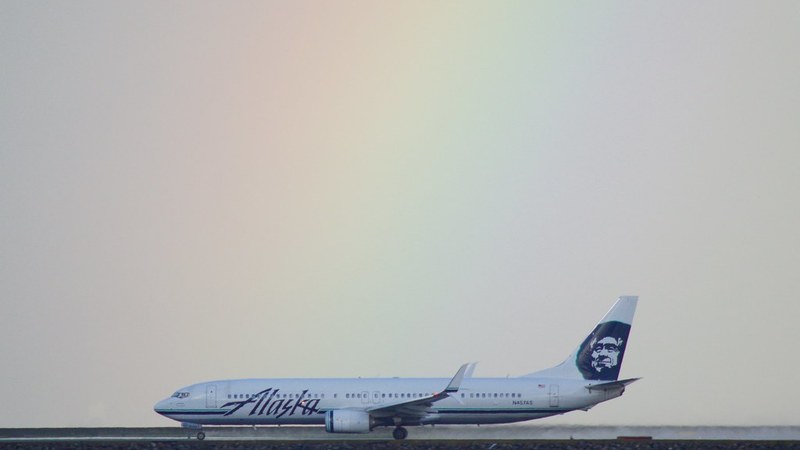
The threats targeted flights arriving at Warsaw Chopin Airport and Modlin Airport in Poland, Sofia Airport in Bulgaria, Fiumicino Airport near Rome, and Murcia Airport in Spain. A LOT flight from London originally scheduled to land at Warsaw Chopin Airport was rerouted to Modlin Airport, where searches uncovered no explosives. An SAS flight from Copenhagen landed at Chopin Airport as planned without incident.
Wizz Air and Ryanair flights to Sofia Airport from Milan Bergamo (176 passengers) and Dublin (186 passengers) respectively, were threatened but completed their journeys safely and were cleared of explosives. Romanian authorities confirmed that Ryanair flights from Manchester to Murcia, from Lisbon to Rome, and from Dublin to Rome faced threats. The Dublin to Rome Ryanair flight was escorted by the Italian Air Force as a precaution. The Manchester to Murcia Ryanair flight led to parts of Murcia Airport being cordoned off temporarily.
Passenger Impact and Security Measures
The Ryanair flight from Manchester to Murcia carried 121 people, including crew, who were affected by the
airport cordon. None of the threats resulted in the discovery of explosives, and airports mostly resumed normal operations rapidly. On November 2, a Wizz Air flight from London Luton to Sofia was diverted to Budapest following a bomb threat, with Hungarian Defence Minister Romulusz Ruszin-Szendi confirming the diversion and the involvement of Hungarian Gripen fighter jets in escorting the aircraft.
Security searches also extended to the Panama-flagged cruise ship Crown Iris, docked at the Greek island of Syros. Explosives detection dogs and divers, under Greek coast guard supervision, inspected the vessel for bombs, confirming no explosive devices were found.
Official Statements on the Bomb Threats
Bulgaria’s
Transport Ministry stated that flights traveling to Sofia from Milan Bergamo and Dublin were threatened but landed safely without any explosives discovered. Francisco Lucas, a regional delegate in Murcia, confirmed the presence of 121 individuals on the Ryanair Manchester to Murcia flight affected by the bomb threat. Warsaw Chopin Airport authorities reported remaining fully operational after the search and confirmed no explosives on the diverted LOT flight.
Rhys Jones, Analysis Output Manager at aviation risk advisory firm Osprey Flight Solutions, classified the seven bomb threats impacting flights in a single day as exceptional. He said, “The lack of clear target
state, airline, or route indicates that general disruption to aviation operations is the aim.” Hungarian Defence Minister Romulusz Ruszin-Szendi publicly detailed the diversion of the Wizz Air London to Sofia flight after the bomb threat.
Background and Expert Analysis
Experts link the series of bomb threat hoaxes to broader, low-cost, deniable disruption efforts targeting European infrastructure. Eric Schouten, head of aviation security group Dyami, noted the context of recent sabotage attempts, including hackers shutting down supermarket fridges across multiple European countries. He said, “From railways to the food infrastructure that you see happening with the fridges being hacked and all kinds of other operations,
it does fit the narrative of Russian state actors who want to disturb Europe.” European officials have previously blamed state actors from Russia and Iran for similar hybrid attacks, although both countries deny involvement.
Travel Disruption and Insurance Context
Travelers faced delays, emergency landings, and security-induced diversions related to the threats. The partial closure of Murcia Airport after the Ryanair threat disrupted travel for over 120 passengers onboard the affected flight. Most airports maintained operations after rapid clearance of the threats.
Insurance experts advise passengers monitor their airline notifications and keep documentation of any costs or delays. The Association of British Insurers recommends passengers examine
their policies carefully, as coverage for disruptions caused by terrorism or security threats can vary and may be subject to exclusions or individual assessments.