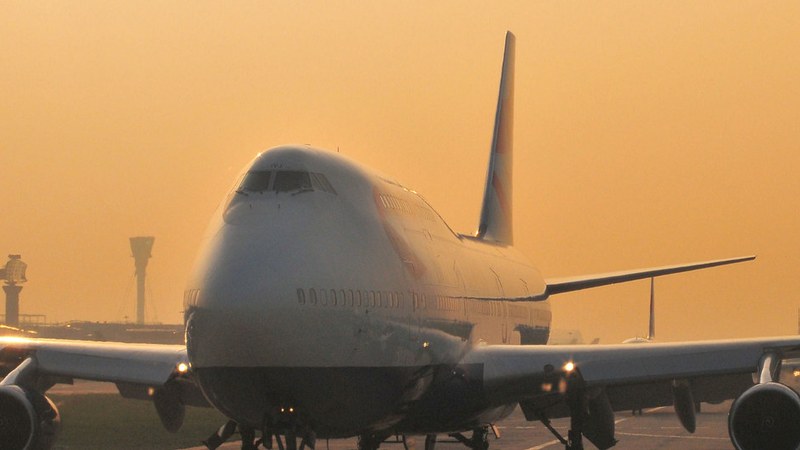
At least 25 commercial flights across Europe were diverted or made emergency landings on Thursday, November 7, 2026, after receiving hoax bomb threat alerts. Similar threats on Tuesday, November 5, led to seven additional flights being searched or diverted, according to Demokratis.co.id.
Widespread Cyber Disruptions Target Critical Infrastructure
Alongside the false bomb threats, cyberattacks affected refrigeration systems in supermarkets across Belgium, Sweden and the United Kingdom. In France, the national blood service encountered an attack aimed at its cold-storage facilities. On Monday, November 2, 2026, refrigeration failures took place at a fruit and vegetable wholesaler near Heathrow Airport. Hackers manipulated temperatures remotely, raising them as high
as 50 degrees Celsius in some cases.
Investigations Find No Confirmed Coordination but Alert Remains
Authorities have not found definitive evidence that the hoax bomb threats are coordinated by a hostile terrorist group or state actor. Aviation security experts indicate that airlines treating the threats as credible may suggest some level of coordination, though individual actors remain a possible cause. Dan Sabbagh, The Guardian’s defense and security editor, noted airlines receive bomb threats daily at an extraordinary rate often underestimated by the public.
Hybrid Warfare and Psychological Disruption Underpin Current Threats
The increase in sabotage incidents since Russia’s invasion of Ukraine in 2022 is attributed to hybrid warfare aimed at disrupting European support without sparking conventional
military confrontation. A recent alleged plot targeting RAF Fairford was linked to Iranian interests. Dan Sabbagh described the evolving security environment as involving different players with familiar uncertainties, emphasizing that terrorism aims to instill fear rather than always cause violence.
Passenger Flight Delays and Diversions Reflect Heightened Security Measures
The hoax bomb threats prompted security responses that forced diversions and emergency landings for passengers on at least 25 flights on November 7. Delays and disruptions affected operations across Europe as security services maintained heightened alertness amid these emerging hybrid threats.
Expert Analysis on Threat Sources and Industry Resilience Efforts
Dan Milmo, The Guardian’s global technology editor, identified criminal gangs and nation states as the primary likely perpetrators for
the cyberattacks, mentioning that disruptive but inexperienced hackers, such as the English-speaking group Scattered Spider, also contribute to incidents. Two Scattered Spider members were jailed in July 2026 following an attack on Transport for London. British security agencies continue focusing on technological resilience, with AI research at The Turing Institute aimed at securing critical infrastructure against evolving threats.