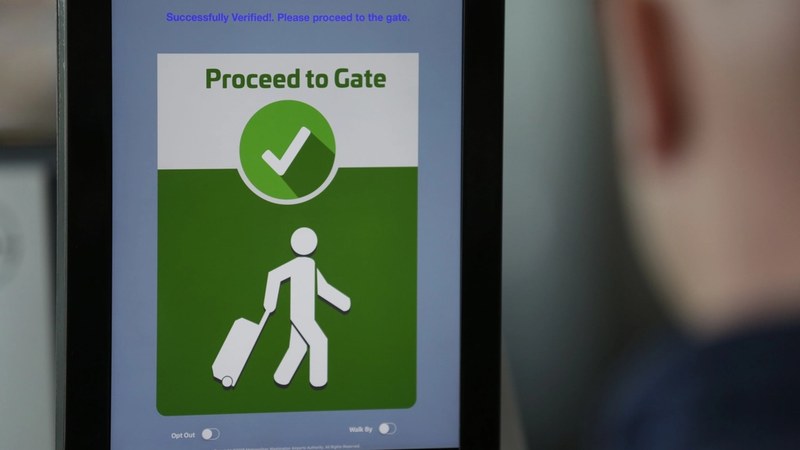
Seven airports in India will initiate biometric travel trials under the Digi Yatra program for international flights starting November 2026. These trials aim to accelerate passenger processing at key airports by integrating biometric verification technologies.
IATA Survey Reveals Growing Biometric Adoption and Passenger Satisfaction
The International Air Transport Association (IATA) released its 2026 Global Passenger Survey on October 28, based on over 10,000 responses from travelers in more than 200 countries. According to the report, 58% of passengers experienced biometric processing in 2026, up from 50% in 2025.
Passenger satisfaction with biometric airport experiences reached 87% in 2026. Furthermore, 78% of respondents expressed willingness to share biometric data to
avoid presenting physical passports and boarding passes during security checks. Interest in digital passports was also high, with 84% of travelers preferring to use digital passports for online check-in instead of physical documents. Additionally, 82% were open to sharing digital travel identification with airlines after booking and payment if it enabled personalized services such as visa information.
U.S. TSA and CBP Provide Opt-Out Options for Biometric Screening
The United States Transportation Security Administration (TSA) permits travelers to decline participation in facial recognition biometric screening. The agency confirms opting out does not cause delays or affect the traveler’s position in the security queue. Similarly, U.S. Customs and Border Protection (CBP) allows
American citizens to refuse facial photo capture and request alternative manual document inspection by officers.
IATA Calls for Government Frameworks to Normalize Digital Travel Credentials
Nick Careen, Senior Vice President of Operations, Safety and Security at IATA, stated that the expanding adoption of biometrics requires governments to establish frameworks for issuing and accepting secure digital passports, also known as Digital Travel Credentials. Careen noted, “More passengers are experiencing biometrics during their travels. They like it and want more.” He emphasized that a unified governmental approach is essential to making biometric travel a global norm for international flights.
Implications for Travelers and Airport Operations
International travelers using the seven participating Indian airports from November 2026 can expect
faster processing through boarding and immigration due to biometric verification. Meanwhile, passengers in the United States retain the right to opt out of biometric recognition without facing additional wait times or screening order changes. The growing acceptance of biometrics enables passengers to bypass presenting physical documents at security checkpoints, potentially reducing congestion and processing times.