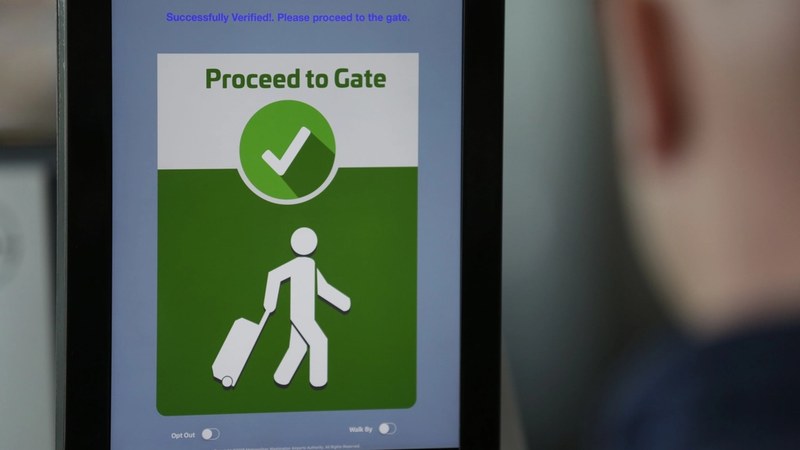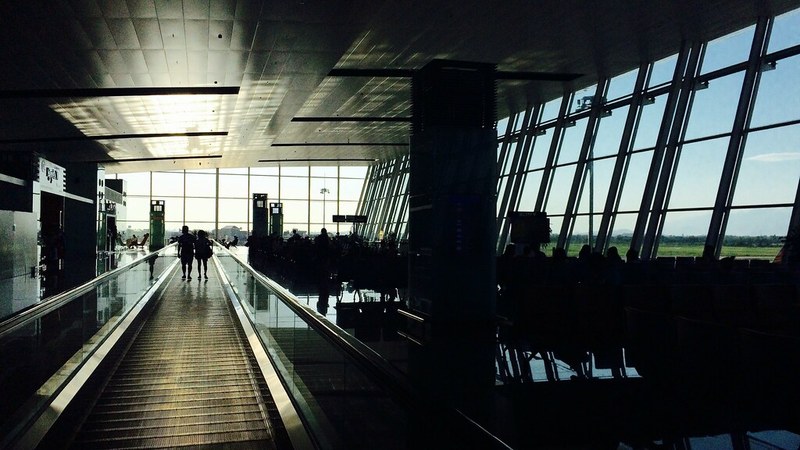
Noi Bai International Airport will begin using a biometric check-in system in July 2026 aimed at accelerating passenger boarding procedures. The deployment of biometric verification technology is intended to reduce processing times and improve overall efficiency at the airport.
IATA Survey Shows Growing Passenger Use and Satisfaction with Biometrics
The International Air Transport Association’s (IATA) 2026 Global Passenger Survey (GPS), released on October 28, 2026, indicates a rise in passenger engagement with biometric processing at airports. Based on responses from over 10,000 participants across more than 200 countries, the survey found that 58% of passengers had used biometric technologies during travel, up from 50% in 2025. Additionally, 87% of those
passengers reported satisfaction with their biometric experiences.
Passenger openness to biometric data sharing also increased. Seventy-eight percent expressed willingness to share biometric information to bypass showing physical passports and boarding passes at security checkpoints. Furthermore, the survey found 84% of travelers interested in using digital passports for online check-in, and 82% open to sharing digital travel IDs with airlines post-booking to receive personalized services such as visa requirement information.
IATA Membership and Need for Government Coordination
IATA represents over 370 member airlines, including American Airlines, Delta Air Lines, Ryanair, United Airlines, and Lufthansa. Nick Careen, IATA’s Senior Vice President of Operations, Safety and Security, emphasized that expanding
biometric processing depends on governments agreeing on a framework for secure digital travel credentials. Careen stated, “More passengers are experiencing biometrics during their travels. They like it and want more. That’s good news because the benefits are substantial—smoother journeys for passengers and more efficient, secure processes for governments and airlines.”
Biometric Opt-Out Policies at U.S. Airports
In the United States, the Transportation Security Administration (TSA) manages biometric facial comparison technology. TSA affirms that travelers can decline participation in biometric facial recognition without incurring longer wait times or losing their place in security screening lines. U.S. Customs and Border Protection (CBP) provides alternative processing for American citizens
who refuse facial photo capture, typically involving manual review of travel documents by officers.
Passenger Attitudes Toward Digital Travel Solutions
Survey data highlight growing passenger support for biometric and digital travel technologies. A majority show interest in adopting digital passports over physical ones during online check-in. After booking payment, many are willing to share digital travel IDs with airlines to access personalized services, including visa information. These trends signal traveler readiness to embrace digital transformation in airport processing.