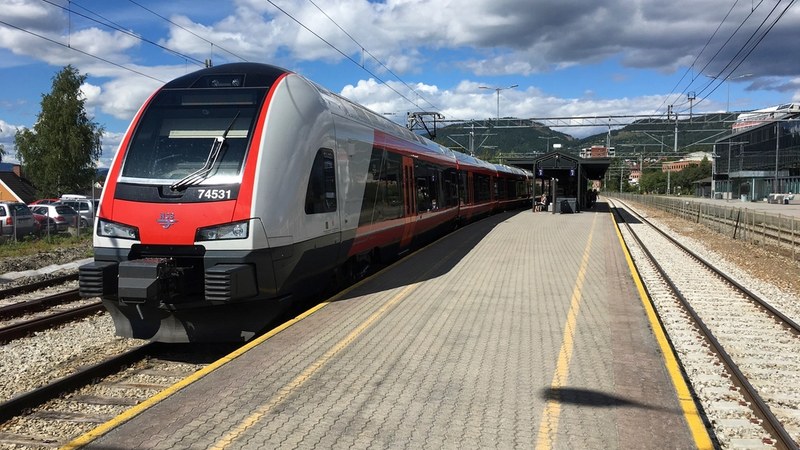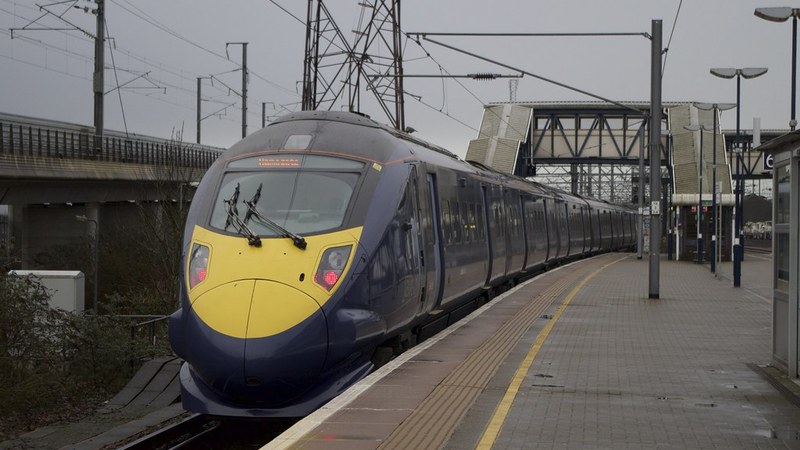
Avanti West Coast rail services will be renationalised and brought into public ownership on 7 March 2027, when its current contract expires, the UK government has confirmed. This move forms part of a wider nationalisation programme, with all major passenger rail operators expected to come under public control before the full establishment of Great British Railways in 2027.
Avanti’s Performance and Routes
The current operator, First Trenitalia—a partnership between FirstGroup and Trenitalia—has managed the service for seven years. Avanti West Coast operates on the West Coast Main Line connecting London with Birmingham, Manchester, Liverpool, Glasgow, Edinburgh, north-west England, and Wales. The company has been
noted as one of the worst performers in the UK for train delays and cancellations, a situation attributed partly to long-term underinvestment in the infrastructure of the route.
Financial Implications of Public Ownership
In 2024, franchised train operators spent over £4 billion on leasing and maintaining trains from private rolling-stock companies, commonly known as Roscos. These leasing agreements include financing, transaction costs, and investment returns, all of which ultimately burden taxpayers and passengers. Transport Secretary Heidi Alexander said that while leasing trains saved money upfront, it generated significant long-term costs. As Great British Railways prepares to take full oversight in 2027, the government plans to
explore direct public ownership of new trains to reduce these expenses.
Official Statements and Union Reactions
Transport Secretary Heidi Alexander announced the decision to nationalise Avanti West Coast at the Labour conference on 28 September 2026. She said, “Every Rosco contract includes financing and transaction costs and investment returns, costs which are ultimately borne by taxpayers and passengers. So, as we set up Great British Railways, we will explore whether the state can directly own the new trains we order. If GBR owning trains would best serve taxpayers and passengers, then we should do it.”
Andy Burnham, Mayor of Greater Manchester, stated that passengers had
endured a service “that has failed them time and time again,” and said the nationalisation means “passengers, not shareholders, will come first” with plans for increased investment and fewer delays.
Union leaders also welcomed the move. RMT General Secretary Eddie Dempsey criticized rolling stock companies for extracting profits offshore, describing the development as the start of ending the “rolling stock racket.” Aslef General Secretary Dave Calfe emphasized the importance of redirecting billions of pounds in profits back into the railway to help manage fares and improve services.
Railway Nationalisation Programme Timeline
The renationalisation of Avanti West Coast is part of a broader effort by
the Labour government to bring passenger rail services into public ownership by contract expiry. Chiltern Railways entered public ownership in September 2026, Great Western Railway is scheduled for nationalisation in December 2026, East Midlands Railway between winter 2026 and mid-2027, and CrossCountry in autumn 2027. These steps precede the full operational start of Great British Railways, which will oversee the network starting in 2027.