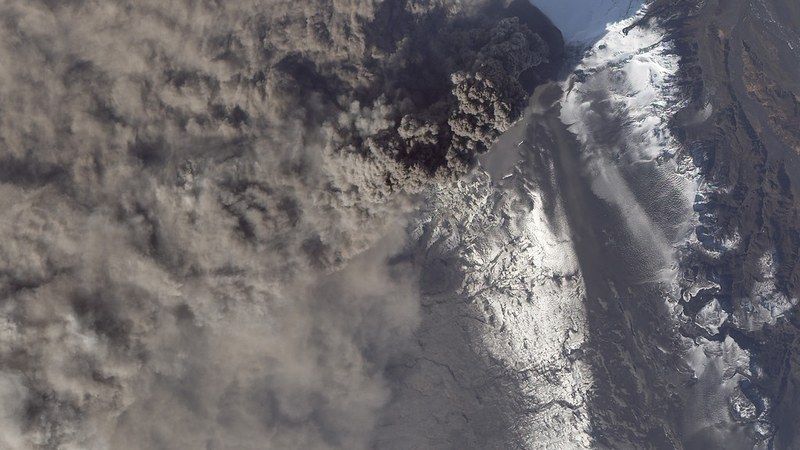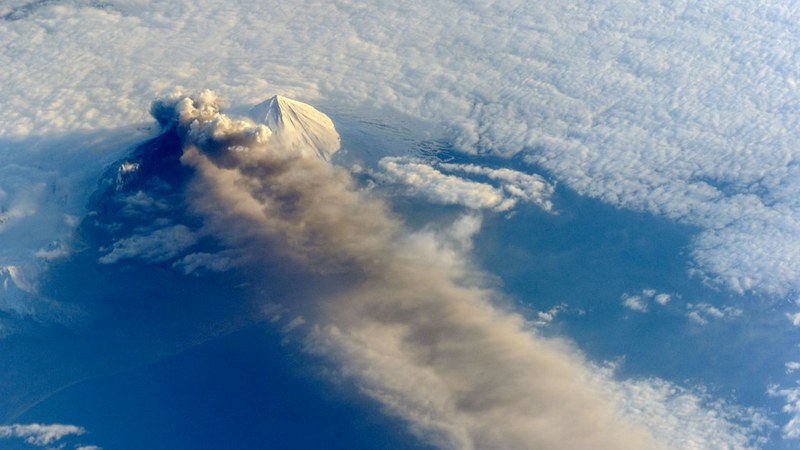
A major eruption of Mount Anak Krakatau on September 7, 2026, caused the closure of eight airports across Indonesia, grounding hundreds of flights and disrupting air travel in the region.
Initially, Indonesia’s Ministry of Transportation reported that 1,558 flights had been delayed or cancelled due to volcanic ash clouds, affecting approximately 170,000 passengers. Updated figures later revealed that more than 2,300 flights and over 270,000 travelers were impacted as the ash plume continued moving through the airspace.
The disruption extended across airports servicing parts of Java and Sumatra, including those around Jakarta, West Java, Banten, and Sumatra itself. Soekarno-Hatta International
Airport, Indonesia’s main international gateway located near Jakarta, was among the worst affected with over 900 flight cancellations or delays connected to it.
Volcanic Ash Hazards Trigger Preventative Airport Closures
Indonesian aviation authorities closed the affected airports as a safety precaution against volcanic ash entering aircraft engines. Indonesia’s Meteorology, Climatology and Geophysical Agency (BMKG) monitored volcanic ash reaching altitudes between 20,000 and 50,000 feet, issuing aviation warnings and tracking plume movement continuously due to its reliance on weather conditions. Volcanic ash poses a critical risk to aircraft, potentially damaging engines and impairing flight safety, prompting AirNav Indonesia to suspend operations in the surrounding airspace.
Flight schedules across
the region were subject to change at short notice, depending on ash concentration and wind patterns affecting airspace over Java and Sumatra.
Passenger Impact and Travel Disruptions
Thousands of passengers remain stranded amid the ongoing airport closures and hundreds of cancelled or delayed flights. Many travelers at affected airports queued for rebooking or alternative routes as airlines adjusted their operations. The dynamic ash conditions required continuous revision of airport status by Indonesia’s Ministry of Transportation to manage safety without setting fixed reopening times.
Passengers aiming to travel to or from Indonesia were strongly advised to follow updated information on flight and airport operations due to
unpredictable disruptions resulting from ash movement.
Background on Anak Krakatau Activity and Indonesia’s Geological Risk
Mount Anak Krakatau, located in the Sunda Strait between Java and Sumatra, experienced an eruptive episode lasting around 25 hours from late September 4 to early September 6, 2026, according to Indonesia’s Geological Agency. Although approximately 150 kilometers from Jakarta’s main airport, volcanic ash dispersed widely, affecting several provinces including Banten, Jakarta, West Java, and parts of Sumatra.
Indonesia’s position on the Pacific Ring of Fire renders it vulnerable to frequent geological events such as volcanic eruptions and earthquakes. The current state of Anak Krakatau remains at Level III (Siaga), with possibilities for further
eruptions necessitating continued vigilance.
Official Monitoring and Coordination
Indonesia’s Meteorology, Climatology and Geophysical Agency (BMKG) stated it is tracking volcanic ash around the clock and issuing aviation warnings to mitigate risk. The Ministry of Transportation is coordinating with airlines and airport operators to adjust operations according to ash movement. Airport closures are implemented as preventive measures to ensure passenger safety against the hazards posed by volcanic ash in the airspace.