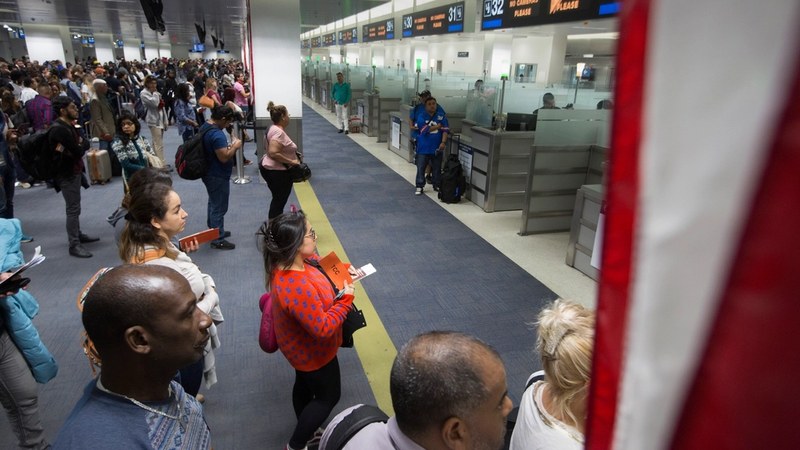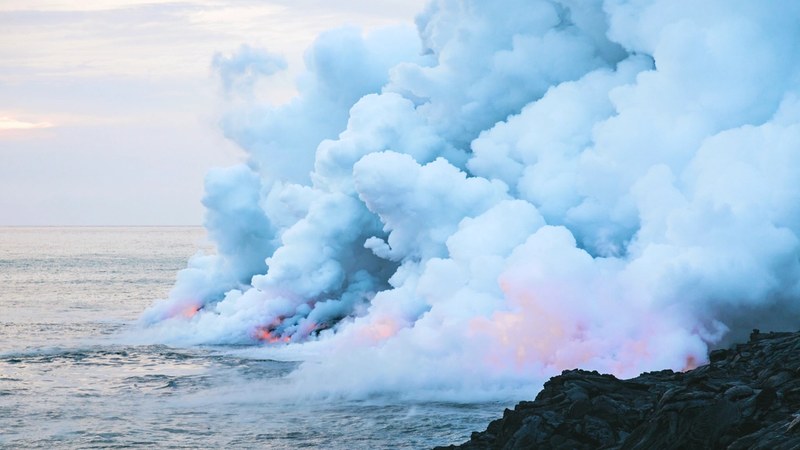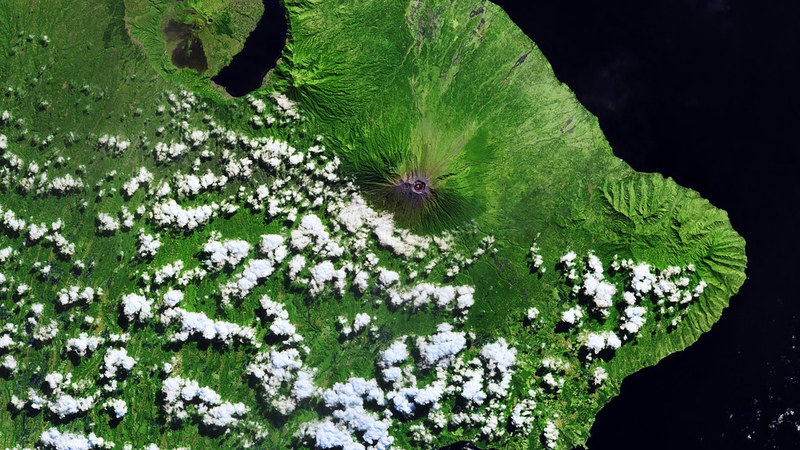
The eruption of Mount Anak Krakatau between 4 and 6 September 2026 caused the temporary closure of eight Indonesian airports, initially delaying or cancelling more than 1,500 flights and affecting about 170,000 passengers. As of 7 September, authorities reported flight disruptions had exceeded 2,300, with more than 270,000 passengers impacted.
Volcanic Ash Disrupts Key Airports in Java and Sumatra
Volcanic ash from Anak Krakatau spread across parts of Java and Sumatra, forcing airport closures primarily in Jakarta and surrounding regions including Banten and West Java. The eight airports closed include Soekarno-Hatta International Airport, Jakarta’s main international gateway, which alone accounted for over 900 affected flights. The disruption also extended
to Jakarta’s Halim Airport and other airports serving the Sunda Strait area.
Continuous Monitoring by Indonesian Authorities
The Indonesia Meteorology, Climatology and Geophysical Agency (BMKG) has actively tracked the volcanic ash plume and its movement across airspace above Java, Sumatra, and surrounding areas. BMKG issued aviation warnings and enforced airport closures as a preventive safety measure due to the risks volcanic ash poses to aircraft engines. The Ministry of Transportation provided initial figures showing 1,558 flight delays or cancellations, with numbers increasing as the ash plume persisted.
Impacts on Travelers and Airlines
Thousands of passengers remain affected, with queues and disruptions ongoing at the affected airports. Airlines including Garuda Indonesia,
Indonesia AirAsia, TransNusa, Citilink, and Pelita Air have experienced widespread cancellations and delays. Flight schedules continue to change frequently depending on ash concentration and weather conditions, leaving travelers searching for alternative routes and facing extended wait times.
Volcano Alert Status and Safety Measures
Anak Krakatau has been at alert Level III (Siaga) since 2 July 2026. The geological agency confirmed that the volcano underwent a continuous eruptive episode lasting approximately 25 hours from late 4 September through early 6 September. Authorities maintain an exclusion zone around the crater to prevent public access due to ongoing volcanic activity. The level of volcanic ash in surrounding airspace continues
to dictate airport closures and flight restrictions.