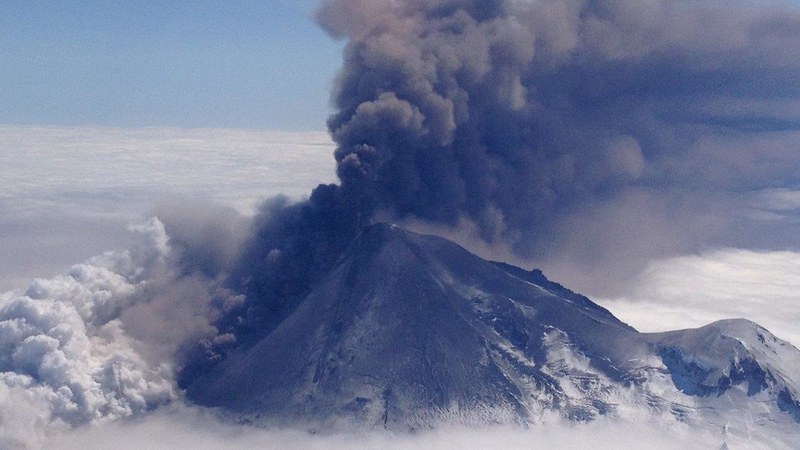
A major eruptive episode of Mount Anak Krakatau in the Sunda Strait between Java and Sumatra began late on Friday, 4 September 2026, and lasted about 25 hours through early Sunday, 6 September. The volcanic ash clouds forced the temporary closure of eight Indonesian airports, triggering widespread air travel disruption across the region.
Initial reports from Indonesia’s Ministry of Transportation indicated that 1,558 flights were delayed or cancelled, affecting roughly 170,000 passengers. By Monday, 7 September 2026, the total flight disruption rose to more than 2,300 flights with over 270,000 passengers impacted, marking one of the largest volcanic ash-related interruptions
in recent years.
Major Airports and Affected Airspace
Among the eight airports closed, Soekarno-Hatta International Airport in Jakarta was the hardest hit, with over 900 connected flights delayed or cancelled. Key airports serving Jakarta, including Halim Airport, were among those affected. The volcanic ash clouds extended over airspace covering parts of Java, Sumatra, Banten, Jakarta, and West Java, complicating aviation operations beyond immediate proximity to the volcano.
Safety Measures and Official Monitoring
Indonesia’s Meteorology, Climatology and Geophysical Agency (BMKG) designated the airport closures as precautionary actions to safeguard aircraft from volcanic ash, which poses critical risks to engines. BMKG has maintained round-the-clock monitoring of ash dispersion and issues continuous aviation
warnings. Indonesian authorities have not set fixed reopening times for affected airports, opting to assess and adjust closures in real time based on ash movement.
Passenger Impact and Flight Disruptions
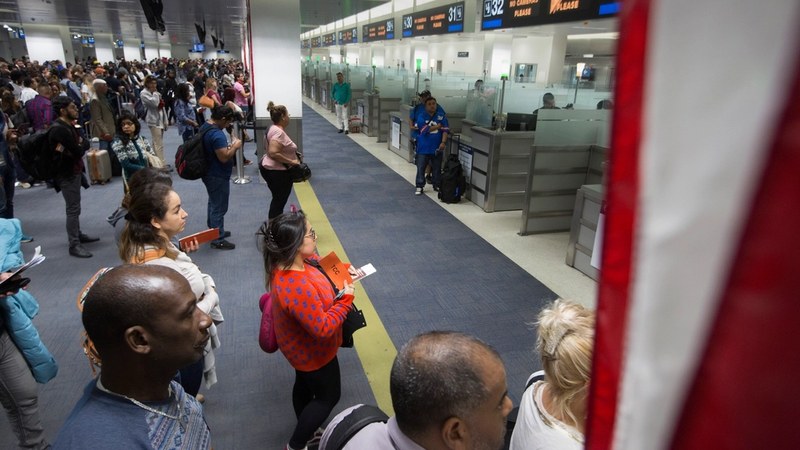
Travelers experienced significant delays, cancellations, and rerouted flights due to the closures. Airports faced long queues as thousands of passengers were stranded awaiting updates and alternative travel options. Airlines were forced to revise schedules rapidly amid unpredictable ash cloud trajectory and airport availability. Disruptions may continue if volcanic ash remains airborne in critical airspace zones.
Volcanic Activity and Geological Context
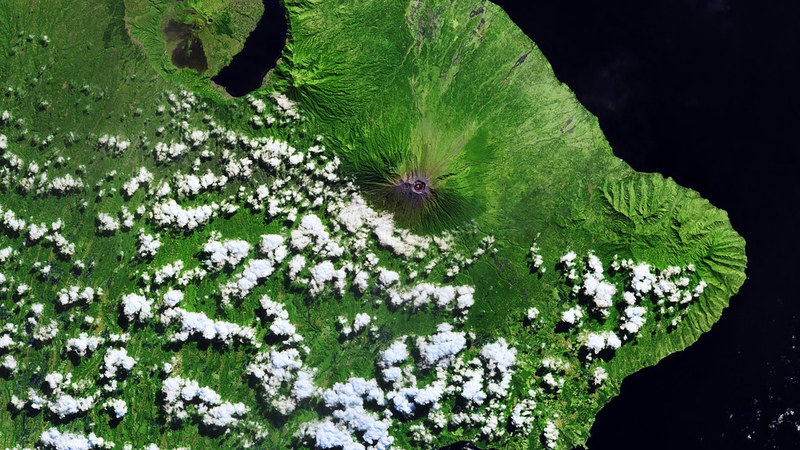
Mount Anak Krakatau, located in the Sunda Strait between Java and Sumatra, emitted ash plumes reaching heights up to 50,000
feet (15,000 meters). Despite its distance of over 150 kilometers from Jakarta’s main airport, variable wind and weather conditions spread ash across a wide area, affecting multiple airports. Indonesia’s Geological Agency confirmed the eruption episode lasted approximately 25 hours and that the volcano remains at alert Level III (Siaga), with an exclusion zone maintained around the crater. Continuous monitoring is in place due to the possibility of further eruptions.