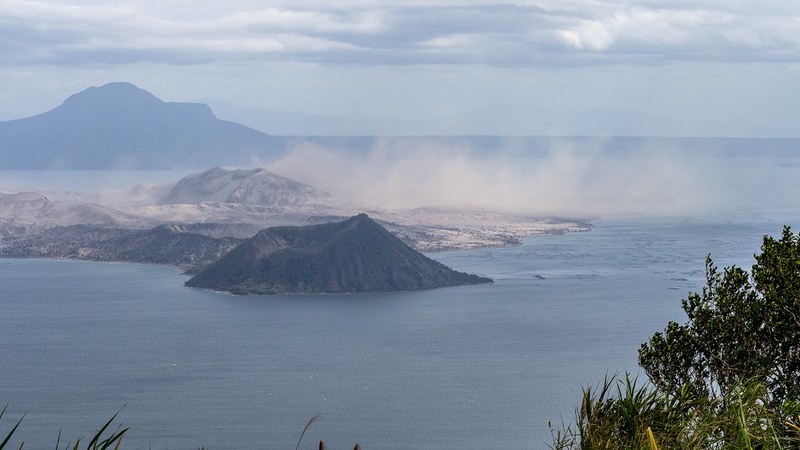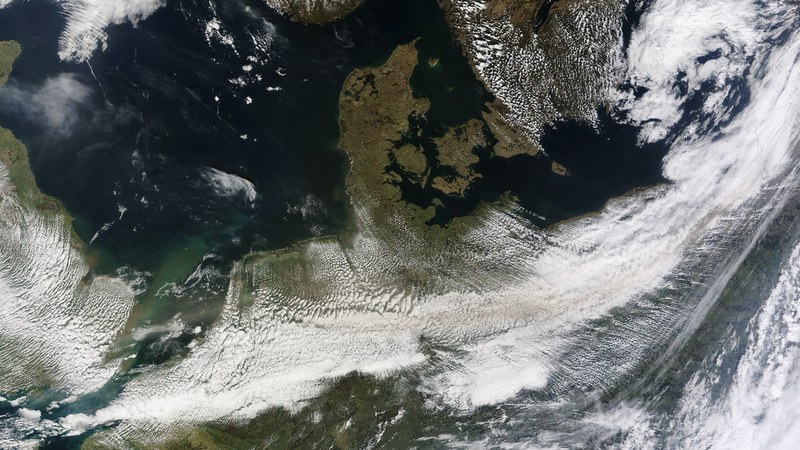
Volcanic ash from the ongoing eruption of Mount Anak Krakatau on September 6, 2026, forced the temporary closure of Pondok Cabe Airport in South Tangerang, Indonesia. The ash cloud spread across western Indonesia, affecting the airspace over Jakarta, Banten, West Java, and Sumatra and prompting safety-related airport shutdowns.
Flight Disruptions Across Multiple Airports
By 10:35 a.m. Western Indonesia Time (WIB), 373 flights were disrupted due to ash-related closures, with Jakarta’s Soekarno-Hatta Airport recording significant cancellations and delays. International airlines also suspended services to and from Jakarta amid hazardous conditions. Husein Sastranegara Airport in West Java was added to the list of closed airports after volcanic
ash spread toward the region.
Official Safety Measures and Flight Suspension
Indonesia’s Directorate General of Civil Aviation issued a NOTAM (C1080/26) scheduling Pondok Cabe Airport’s closure until 2 p.m. WIB on September 6, but stressed reopening depends on ash clearance and aviation safety assessments. The Transportation Ministry directed airlines to suspend flights until authorities confirm safe flying conditions, prioritizing passenger safety regardless of the official reopening time.
Advisories for Travelers
Passengers using Pondok Cabe and affected airports face uncertain resumption times. Flight statuses are subject to change as ash dispersal is continuously monitored. Travelers are instructed to contact their airlines directly for updated information on cancellations, delays, rescheduling, and
refunds.
Aviation Hazards and Coordination Efforts
Volcanic ash is a known aviation hazard because it reduces visibility and can cause severe engine damage. Indonesian aviation authorities, including the Directorate General of Civil Aviation, the Transportation Ministry, and AirNav Indonesia, coordinate with the Meteorology, Climatology and Geophysics Agency (BMKG) and PVMBG to monitor ash movement. Airspace remains closed until officials determine conditions are safe for flight operations.