An information technology malfunction disrupted American Airlines operations nationwide on July 30, 2026, causing delays to approximately 1,100 flights and triggering a short-lived Federal Aviation Administration (FAA) ground stop that halted departures for several hours.
The disruption originated from a failure in a vendor-provided IT platform that American Airlines uses for critical flight planning and crew management functions. This loss of access affected flights waiting to depart across the carrier’s U.S. network, including its Dallas Fort Worth hub, while in-air aircraft continued to their destinations. Flight cancellations remained low relative to delays as the airline prioritized holding aircraft on the
ground until systems were restored and manual processes implemented.
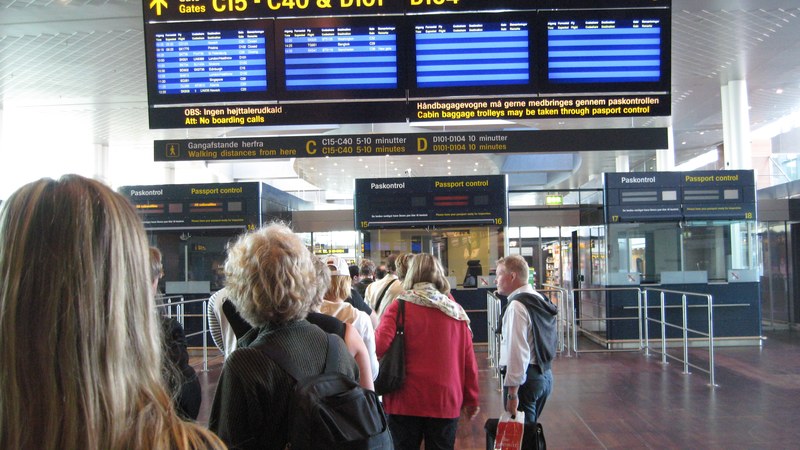
Passengers faced extensive travel challenges, including missed connections and long wait times at airport customer service counters. Call centers and mobile app options were overwhelmed during the outage, complicating rebooking efforts for disrupted travelers. Visible signs of the impairment included accumulating departure delays on airport boards and aircraft parked at gates awaiting scheduling clearance.
American Airlines publicly confirmed the cause as a third-party technology failure unrelated to cyberattacks or security breaches. The airline reported that systems were brought back online and its network operations largely recovered later the same day, though
some delays persisted as crews and aircraft were repositioned to normal schedules.
This event follows a notable July 2024 incident when a flawed software update from cybersecurity firm CrowdStrike triggered a global outage affecting American Airlines, Delta Air Lines, and United Airlines. That previous failure forced widespread ground stops and large numbers of cancellations and delays in the United States and internationally.
Industry experts emphasize the growing complexity airlines face operating across numerous external technology providers. The integration of legacy mainframe systems with cloud services and SaaS platforms creates multiple failure points. Vendors’ software updates or infrastructure issues, such as
fiber-optic damage at Dallas Fort Worth, can cause ripple effects disrupting airline operations.
Analysts highlight the need for more stringent software testing, rollback procedures, and independent backup systems to mitigate risks from concentrated IT supply chains. While automation improves operational efficiency, experts caution that insufficient redundancy in mission-critical systems leaves airlines vulnerable to similar outages. The ongoing challenges of implementing cost-intensive safeguards in a competitive market underline the fragility of current airline IT ecosystems.
American Airlines’ July 30 IT failure underscores the persistent vulnerabilities in modern airline operations caused by reliance on external technology suppliers. The technical issues serve as
another example of how brief system outages can cascade into thousands of delays, straining passenger service and network schedules.