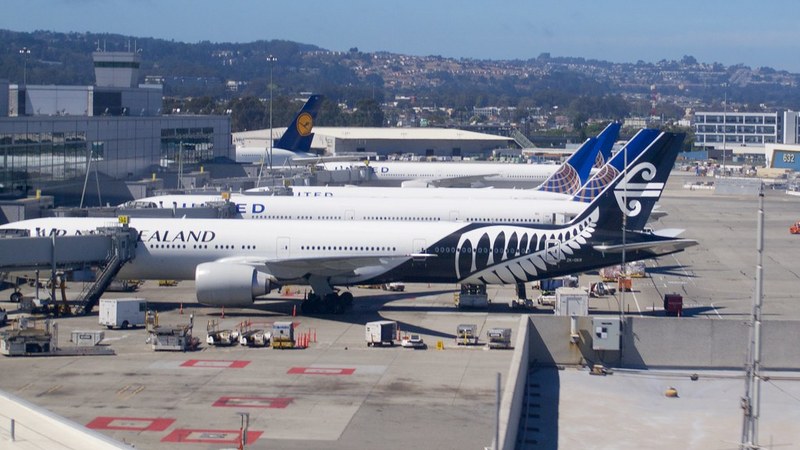
San Francisco International Airport (SFO) faced multiple Federal Aviation Administration (FAA) ground stops on November 9, 2026, that delayed flight operations for several hours beginning in the early morning.
The first ground stop started shortly before 8 a.m. Pacific Time and was lifted around 9:15 a.m. Additional ground stops and ground delay programs followed around 10:28 a.m. and shortly before noon to manage traffic congestion caused by poor weather.
Flight Delays and Visibility Conditions
By 10:30 a.m., 187 flights into San Francisco were delayed and three canceled, according to FAA data. Average arrival delays were approximately 63 minutes during the disruption period.
The San Francisco
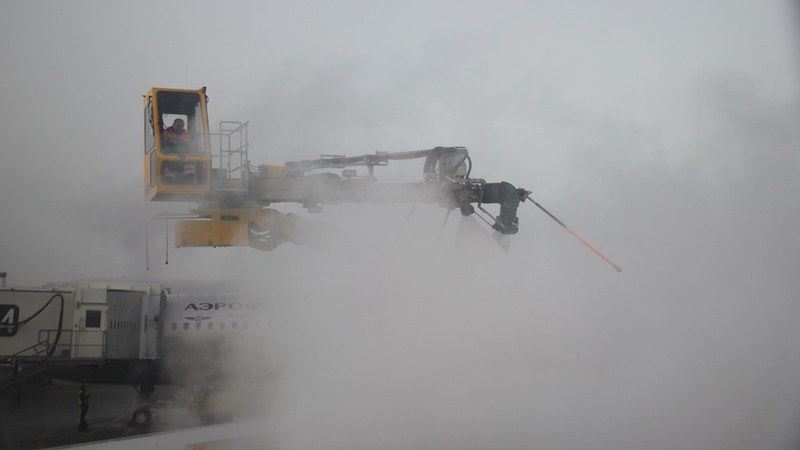
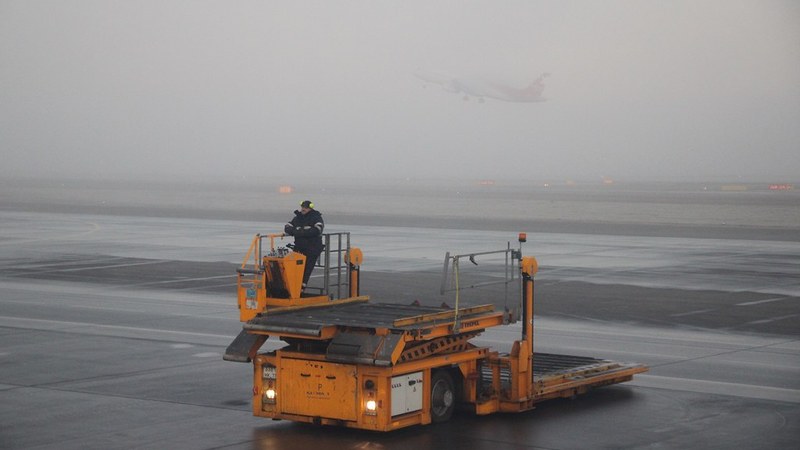
Chronicle reported visibility at SFO dropped to about 0.13 miles near 8 a.m. Fog and low cloud cover across the San Francisco Bay region significantly reduced visibility during the morning hours.
Causes of Flight Restrictions
The FAA identified dense fog and low cloud ceilings as the primary causes for the ground stops and flight restrictions at San Francisco International Airport. The National Weather Service had issued a dense fog advisory for the area, warning of visibility as low as a quarter of a mile along the bay shoreline.
Low visibility conditions require additional spacing between aircraft and the use of low-visibility operating procedures, which
restricts the airport’s capacity to handle normal traffic levels.
Operational Measures and Traveler Impact
The FAA implemented ground delay programs that held selected departures at other US airports scheduled to land at San Francisco International Airport to prevent excessive congestion in SFO’s airspace. These measures controlled traffic flow but extended delays for inbound flights, even from airports where weather was clear.
Passengers on routes to San Francisco experienced notable delays and some cancellations during the morning. The disruptions continued throughout the late morning as the FAA adjusted traffic management measures according to evolving weather conditions.
Ground Stops as Air Traffic Management Tools
Ground stops are temporary air traffic control measures that hold
flights on the ground at their departure airports rather than closing the destination airport itself. They aim to reduce congestion and maintain safety when an airport’s capacity is limited.
San Francisco International Airport is especially susceptible to fog due to its proximity to the San Francisco Bay, making it prone to operational interruptions in these conditions.