The province of Alberta plans to issue a formal Request for Proposal (RFP) in fall 2026 for a high-speed rail line linking downtown Calgary, Red Deer, and downtown Edmonton, officials announced. The federal government of Canada will collaborate with Alberta on project governance as the province aims to select a private-sector proponent by April 2027.
Route and Stops
The proposed route includes stops at Airdrie, Calgary International Airport, and Edmonton International Airport, in addition to central urban stations. The corridor covers approximately 80 percent of Alberta’s population, connecting two of the province’s largest cities along the Calgary-Red Deer-Edmonton economic corridor.
Timelines and Financial Details
The Alberta government
plans to launch the RFP in fall 2026 and expects to select a private-sector proposal by April 2027. The overall project cost, specific provincial financial contribution, and construction schedule have not yet been determined. Alberta Transportation and Economic Corridors Minister Devin Dreeshen stated these aspects vary depending on proposal specifics and remain unknown at this stage.
Train Speed and Integration
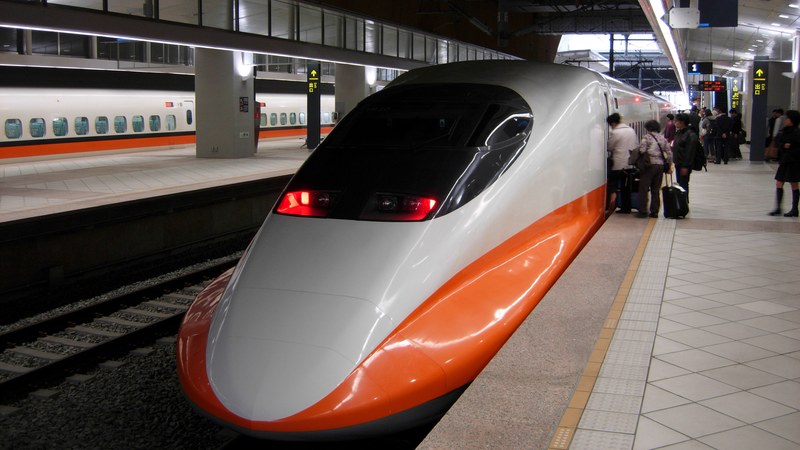
Trains on the high-speed line could reach speeds up to 320 kilometres per hour, potentially reducing travel time between downtown Edmonton and downtown Calgary to about 1 hour and 45 minutes according to Alberta’s Passenger Rail Master Plan. The successful proposal must integrate with
existing passenger rail services in Calgary and Edmonton while minimizing the province’s direct financial investment.
Governance and Stakeholder Engagement
The governments of Alberta and Canada will establish a joint governance structure to facilitate collaboration, planning, due diligence, and information sharing throughout project development. Upon selecting a private-sector proponent, the project will be referred to Canada’s Major Projects Office. Consultations are planned with Indigenous communities, municipalities, investors, industry stakeholders, and the public.
Background and Economic Context
Alberta’s Passenger Rail Master Plan envisions a 30-year network to support long-term passenger rail expansion, including this high-speed link. The Calgary-Edmonton corridor is one of the fastest-growing economic regions in Canada, housing about
80 percent of Alberta’s population. The rail project aims to provide an alternative to the QEII Highway and ease transportation demands along the busy corridor.
Official Statements
Alberta Premier Danielle Smith described the project as “a generational investment in Alberta’s future,” emphasizing the collaboration with the federal government to support sustained growth. Minister Devin Dreeshen noted, “costs, provincial funding levels, and timelines remain unknown” and will depend on private-sector proposals. Federal Prairies Economic Development Minister Eleanor Olszewski said, “This is what it means to dream big and work together,” highlighting ongoing coordination between provincial and federal officials.
Industry Preparations and Challenges
Private-sector companies are forming consortiums
comprising railway operators, construction firms, and engineering experts to prepare proposals. Alberta conducted an industry webinar in July 2026 and scheduled one-on-one consultations with potential contractors, equity providers, and engineers between August and October 2026. The Passenger Rail Master Plan identifies extensive land acquisition and establishing greenfield corridors distinct from freight rail as significant challenges.
Outstanding Unknowns
Details on the project’s construction start and completion dates, exact cost figures, detailed route alignments, and final station locations remain undecided. The required provincial financial involvement is described only as “minimal” at this stage, with specifics to be proposed by competing private-sector bidders.