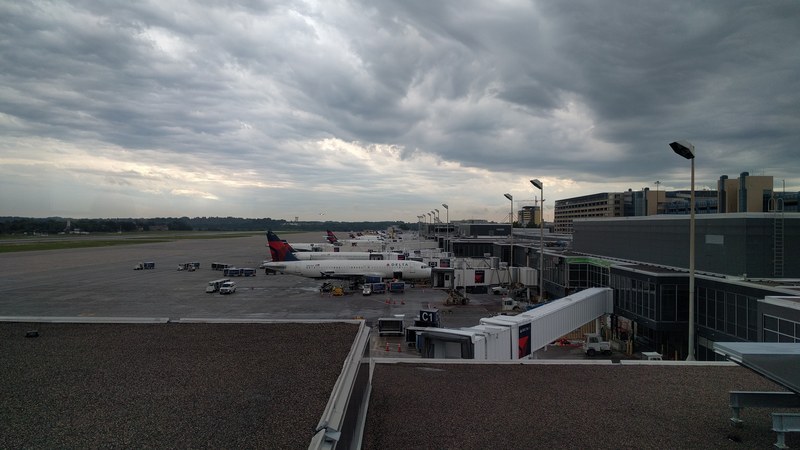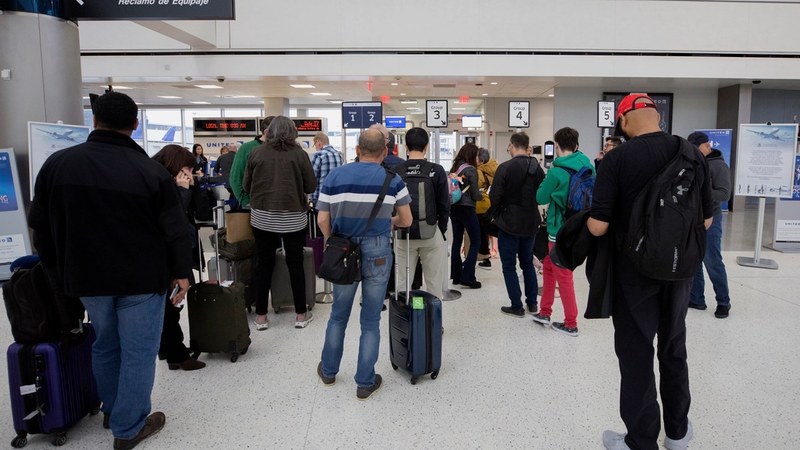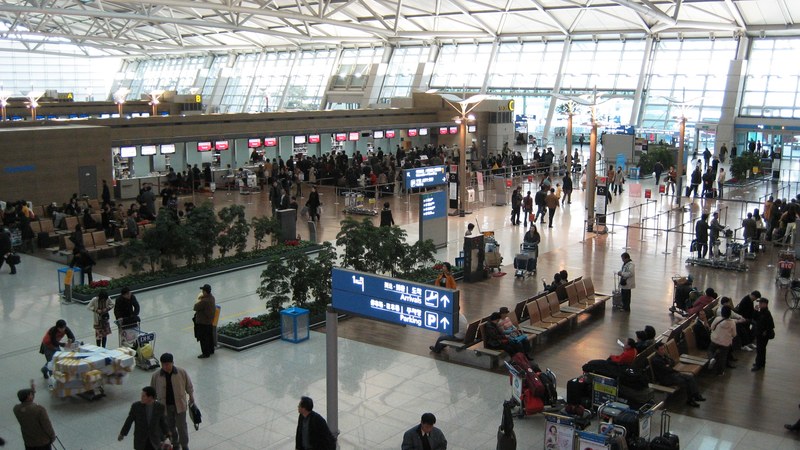
Toronto Pearson International Airport and Air Canada introduced a biometric boarding pilot featuring four facial recognition e-gates. Passengers flying domestically can enroll through the Air Canada mobile app to use a facial-verification gate that allows them to board without presenting a passport or boarding pass. This pilot began operations as part of efforts to modernize airport processes and improve passenger throughput.
Enrollment Systems and Technology Partners
The pilot features two enrollment models. Domestic travelers opt in via Air Canada’s app before boarding. Cameras at the gate capture their live facial image to verify against the airline’s stored identity gallery. For US-bound travelers using the transborder
area at Pearson, three biometric gates compare a live facial image with photos taken during US preclearance, requiring no separate advance registration. The physical biometric gates are supplied by Dormakaba, while middleware connecting the biometric hardware and identity management systems is provided by Airsphere and SITA. Air Canada delivers the domestic enrollment software and maintains the facial identity records. Participation remains voluntary and conventional document checks are still offered at the airport.
Passenger Volume and Airport Modernization
Toronto Pearson currently accommodates about 47 million passengers annually, with expectations to increase to 65 million by the early 2030s. The biometric boarding pilot is part of a
broader airport modernization initiative focused on digital identity and automated processing to manage this growth. Throughout the pilot, Toronto Pearson monitors passenger adoption rates, boarding processing times, throughput, and customer satisfaction to assess performance and operational impact.