A powerful nor’easter struck the US East Coast last weekend, leading to almost 430 flight cancellations and more than 3,000 delays nationwide. The storm affected areas from North Carolina through New England, producing heavy winds, rainfall, flooding, and hazardous coastal conditions.
Logan Airport Reports Extensive Flight Disruptions
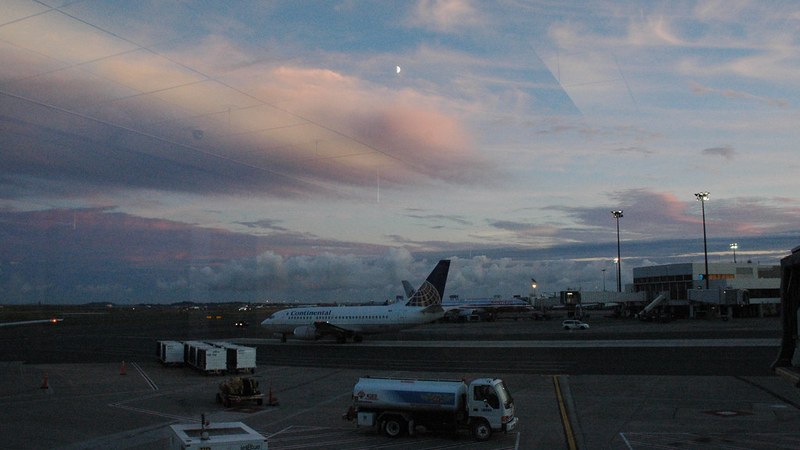
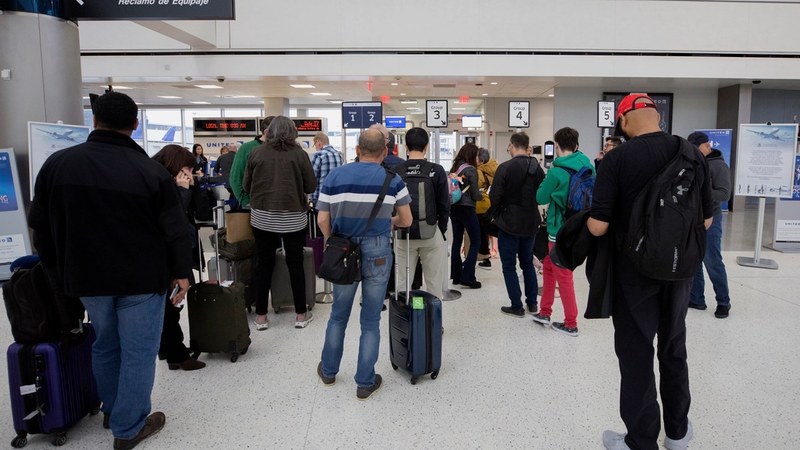
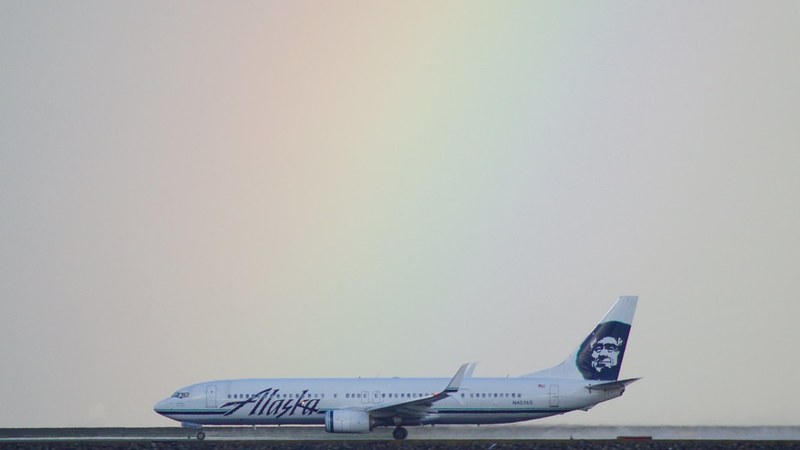
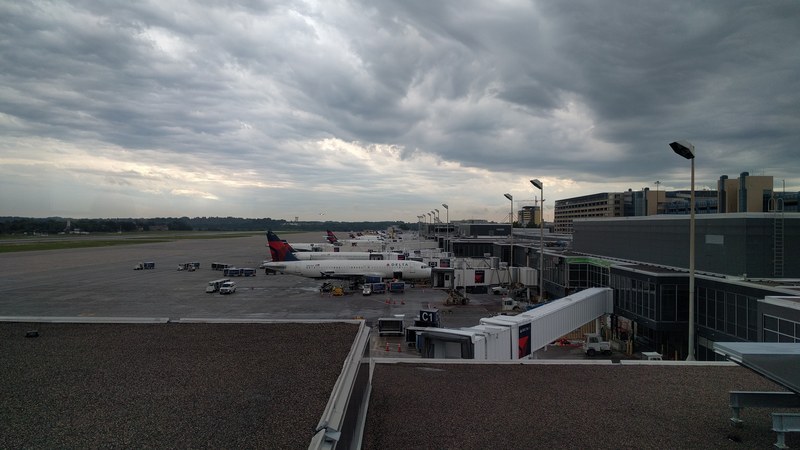
Logan Airport in Massachusetts experienced significant operational setbacks due to the storm. FlightAware data confirmed the cancellation of nearly 430 flights and thousands of delays across US airports, with Logan among the hardest hit. Travelers encountered low visibility and runway challenges, contributing to extended travel disruptions.
State of Emergency Declared in New York Counties
Governor Kathy Hochul declared a state of emergency in Bronx, Brooklyn, Nassau, Manhattan,
Queens, Staten Island, Suffolk, and Westchester counties due to the severe weather impacts. Authorities prepared for ongoing flooding risks related to continued tides and storm-driven water, issuing public safety alerts throughout these New York regions.
Fatality and Emergency Responses in New York City
A 56-year-old New York City Housing Authority worker died in Brooklyn after a tree fell on him during the storm. Meanwhile, in Queens, the New York City Fire Department evacuated a building following a fallen tree that downed power lines and blocked local roads. No additional injuries were reported.
Flooding and Power Outages Along New Jersey and Massachusetts Coasts
Flooding affected coastal areas of New York, New Jersey, and Massachusetts. Eight New Jersey counties remained
under a state of emergency amid wave-driven seawater surges into streets and homes near the Jersey Shore. Boston and southeastern New England faced stormy seas and coastal flooding. The combination of spring tides and sustained onshore winds exacerbated flooding severity.
Storm Conditions Caused Widespread Travel and Infrastructure Disruptions
The nor’easter’s high winds and saturated ground caused fallen trees and broken branches, disrupting power lines and blocking roads. These conditions impeded both air and road travel throughout the Northeast. Coastal flooding continued due to tidal cycles even after peak winds diminished, prolonging hazardous conditions near shorelines.
FAA Advises Travelers to Confirm Flight Status
The Federal Aviation Administration urged travelers nationwide to check directly with airlines for
updated flight information before traveling to airports. Despite localized weather improvements, residual impacts such as low visibility and runway constraints contributed to delays and cancellations at major hubs including Logan Airport.