Air Canada has extended the suspension of its flights to and from Dubai International Airport and Tel Aviv until mid-January 2027, the airline announced on August 4, 2026. The ongoing disruption is attributed to travel difficulties stemming from the continuing US-Iran war impacting the Middle East airspace and operational environment, forcing long-term cancellations for these routes.
Extended Middle East Flight Suspensions by Global Airlines
Alongside Air Canada, other international carriers have prolonged their suspensions involving Middle East destinations through the end of 2026. Dutch carrier KLM has paused flights connecting Dubai, Dammam, and Riyadh until October 24, 2026, citing avoidance of Iranian and Iraqi airspace and adjustments to
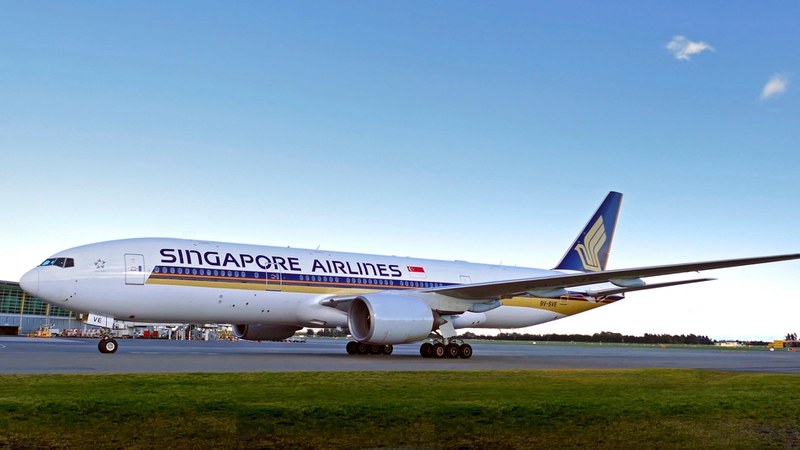
Gulf region operations. Singapore Airlines canceled Dubai flights SQ494 and SQ495 until October 24, 2026, while its low-cost subsidiary, Scoot, suspended Singapore-Jeddah services until September 12, 2026, offering full refunds and rebooking options to affected passengers.
Air Astana has halted flights from Almaty and Astana to Dubai until August 31, 2026, citing deterioration near the Strait of Hormuz and wider Gulf region tensions. British Airways continues its suspension of flights to Dubai, Tel Aviv, Bahrain, and Amman until October 25, 2026, and has permanently ceased operations to Jeddah. Lufthansa Group airlines, including Lufthansa, SWISS, and Eurowings, maintain suspensions for Dubai
flights through October 24, 2026, also affecting Abu Dhabi, Amman, Beirut, and other Middle East airports.
Philippine Airlines has suspended its Dubai flights until October 2, 2026, monitoring conditions to restore service. ITA Airways suspended Riyadh flights until September 15 and Dubai flights until October 24, offering rebooking and refund options. United Airlines faces ongoing cancellations impacting Dubai and Tel Aviv routes through September 7, 2026, with affected customers eligible for rebooking or refunds. American Airlines updated travel alerts for Middle East destinations including Tel Aviv and Doha, allowing one-time fee-free changes or cancellations depending on ticket terms.
Passenger Options and Airline Policies
Airlines affected
by Middle East route disruptions are offering various accommodations. Cathay Pacific has announced plans to resume Dubai flights on October 25, 2026, and Riyadh flights on October 26, 2026, while waiving fees for rebooking, rerouting, and refunds. Eligible passengers traveling to Dubai, Riyadh, and Doha may adjust travel dates without charges through March 31, 2027. Scoot allows passengers impacted by the Singapore-Jeddah suspension to obtain full refunds or rebook their flights.
British Airways has warned customers of the ongoing suspension of services to multiple Middle East destinations until late October, affecting travel plans without immediate alternatives. ITA Airways and United
Airlines provide passengers with options for rebooking or refunds for suspended or canceled flights within their effective suspension periods. Philippine Airlines is actively monitoring the situation to restore Dubai flights when conditions permit, but no date for resumption has been announced.
Causes of Regional Flight Disruptions
Several airlines attribute the extended suspensions to heightened instability and airspace restrictions triggered by the US-Iran war that continues to unsettle the Gulf region. Air Astana explicitly cited the worsening situation around the Strait of Hormuz as a critical factor influencing their decision to suspend Dubai flights. British Airways and other carriers have noted ongoing uncertainty and restrictions in
Middle East airspace as the primary reasons for cancellations and temporary route suspensions.
Airline Operational Challenges Amid Prolonged Middle East Conflicts
The disruption of several key Middle East routes well beyond initial weeks underscores sustained operational challenges for international carriers. Airlines face complex routing adjustments, security concerns, and regulatory restrictions affecting flight viability to strategic hubs like Dubai and Tel Aviv. The repeated extensions of suspensions through the second half of 2026 and into 2027 reveal an ongoing climate of uncertainty impacting global air travel to the Middle East.
Travelers booked on affected routes have access to varying options depending on their carrier, including fee waivers, rebooking privileges,
or refunds. However, comprehensive resumptions remain contingent on improvements in the regional geopolitical and security environment.