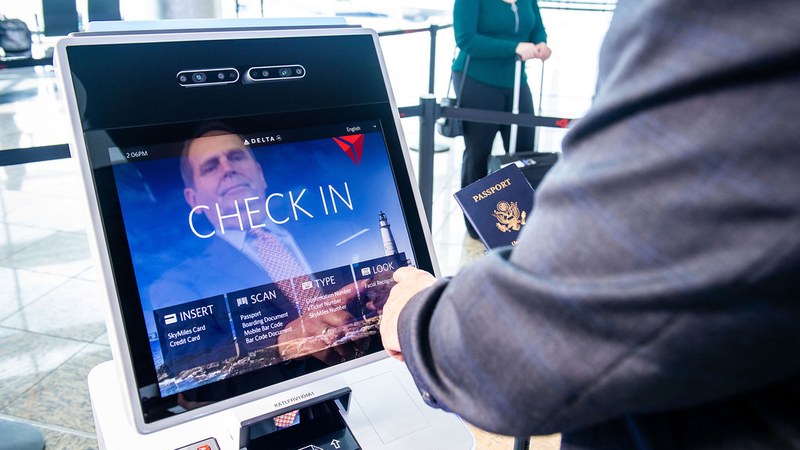
Toronto Pearson International Airport and Air Canada have launched a biometric boarding pilot featuring four facial-verification e-gates, allowing passengers to enroll through Air Canada’s mobile app. Of these gates, one serves domestic flights, while three support passengers traveling to the United States via the airport’s transborder area.
Passengers opting for the domestic biometric gate must enroll through Air Canada’s app prior to arrival at the gate. During boarding, a camera captures a live facial image and compares it with the traveler’s profile stored in the airline’s identity gallery. A match can replace the final presentation of both passport and boarding
pass. For US-bound travelers, enrollment occurs during American border preclearance at Pearson, where images and border formalities are confirmed ahead of departure, allowing the three transborder gates to verify identity without separate registration.
Technology Partners and Voluntary Participation
The physical biometric gates are provided by Dormakaba, while middleware solutions connecting the biometric hardware with identity management systems are supplied by Airsphere and SITA. Air Canada delivers the enrollment software and maintains the identity gallery for domestic passengers. Participation in the pilot remains voluntary, with traditional document checks still available for all travelers.
Background and Modernization Context
This biometric boarding pilot extends Air Canada’s earlier efforts linking mobile enrollment and
facial recognition technology at airports. A similar deployment with selfie-based onboarding has been used at Calgary Airport. Toronto Pearson currently processes approximately 47 million passengers annually and anticipates handling 65 million by the early 2030s. This pilot is part of a broader modernization program incorporating digital identity and automated processing to efficiently manage growing passenger volumes.
Passenger Benefits and Industry Context
Enrolled passengers using biometric gates can bypass the traditional requirement to show passports and boarding passes during final boarding, potentially reducing wait times. The pilot’s two enrollment methods demonstrate how both mobile airline app data and government-held travel records can facilitate biometric boarding. Toronto
Pearson’s modernization initiatives aim to improve passenger throughput and operational efficiency amid increasing traveler numbers.