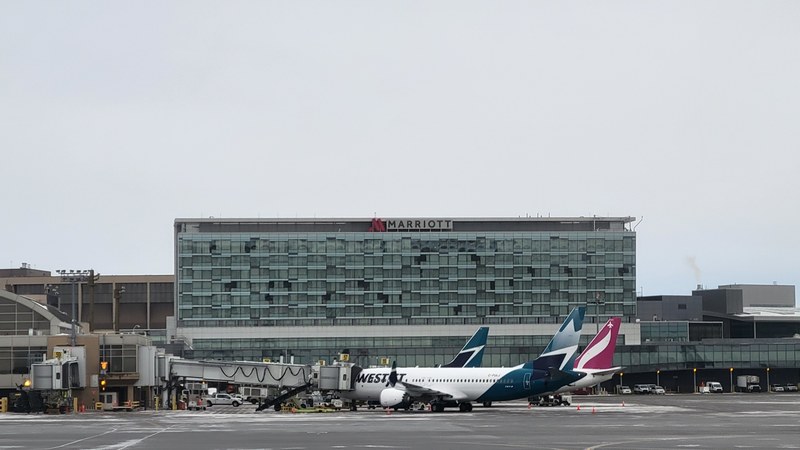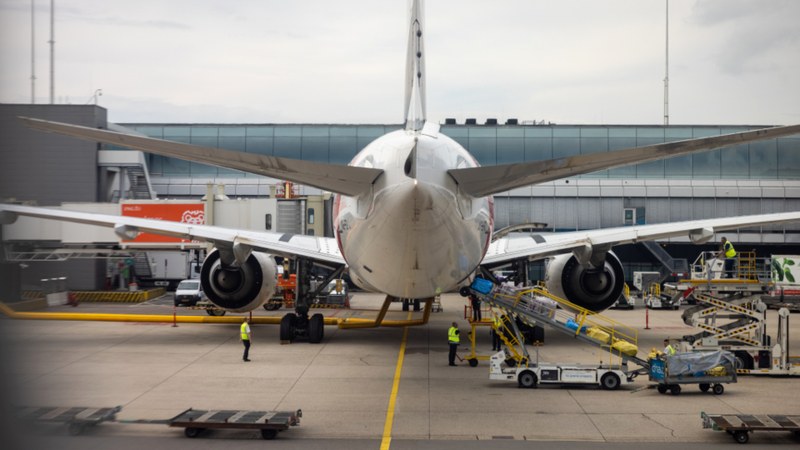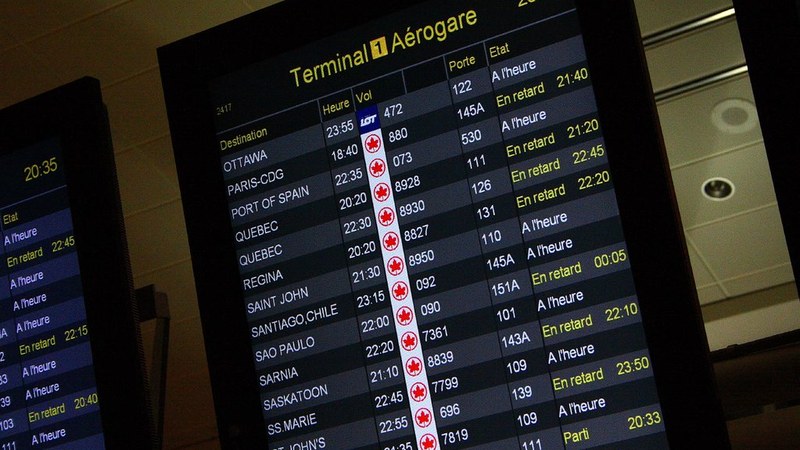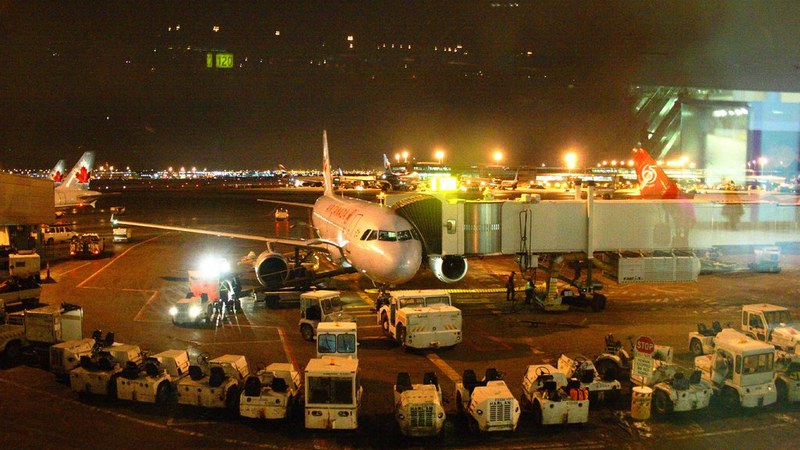
On Friday, November 13, 2026, the Federal Aviation Administration (FAA) initiated a nationwide ground stop that grounded thousands of flights at U.S. airports for about four hours, delaying nearly 25,000 flights and causing over 9,000 cancellations, according to FlightAware data.
More than 4,000 additional cancellations were recorded on Saturday morning, representing 18% of all flights departing the U.S., as reported by Cirium. FAA Administrator Bryan Bedford indicated schedule disruptions are expected to resolve by late Sunday evening.
Cause Traced to Telecom Upgrade and Contractor L3Harris Under Investigation
The FAA attributed the ground stop to an equipment failure during a telecommunications system upgrade conducted by contractor L3Harris, who was replacing old
copper wire lines with fiber optic technology at a remote FAA site.
Transportation Secretary Sean Duffy emphasized the antiquated FAA infrastructure, stating, “When I tell you that we’re using old equipment, we’re using old equipment.” He elaborated investigations are ongoing to determine if the cause was user error, installation mistakes by L3Harris, or faulty hardware.
L3Harris confirmed it has converted over 70% of the FAA’s telecom lines to fiber optics and said it is supporting the FAA’s inquiry into the events that led to the ground stop. Both FAA and Homeland Security officials ruled out cyberattacks or issues related to
the FAA’s AI-enhanced SMART system, with Air Space Intelligence stating its software was not involved.
Passenger Disruptions and Alternative Travel Responses
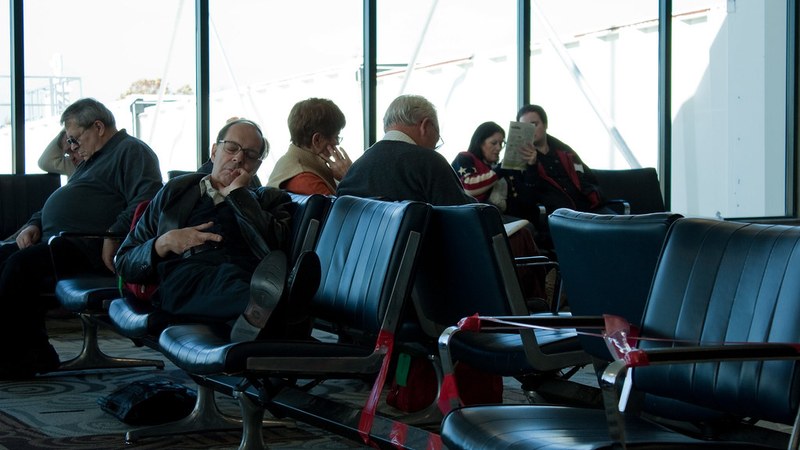
The ground stop stranded thousands of travelers nationwide, with some experiencing extended tarmac delays up to 6.5 hours mid-flight. Airports were crowded with passengers facing long waits in terminals and overburdened customer service lines, with cases like JetBlue passengers waiting over nine hours on call centers reported.
Travelers seeking alternatives turned to private car travel and Amtrak trains, though Amtrak experienced a brief system outage on Friday night. Hotel availability and rental cars near airports were limited due to the widespread disruption.
Chicago Airports Report High Cancellations and Delays
Chicago’s O’Hare International
Airport saw 605 flight cancellations, while Midway International Airport reported 72 cancellations as of Saturday early afternoon. Average delays at O’Hare were 28 minutes and 23 minutes at Midway, increasing to 65 minutes at Midway by Saturday night.
Passengers at Midway included some who missed connections by minutes and were forced to spend the night at the airport, compounding travel difficulties. Stories of frustration describe passengers facing exhaustion and uncertainty amid the ongoing backlog.
International and Systemic Impacts
The FAA ground stop also affected international operations. Air Canada canceled several U.S.-Canada flights, and Mexico’s Federal Civil Aviation Agency imposed temporary flight restrictions as a
precaution. Airports such as Toronto Pearson and Montréal-Trudeau experienced disruptions as well.
This incident marks only the second nationwide FAA ground stop since September 11, 2001. The last occurred in 2023 when a NOTAM system outage, caused by contract workers deleting critical files, temporarily shut down U.S. airports. The FAA’s telecommunications modernization, including the ongoing copper-to-fiber transition, is part of a decades-long effort and supported by a $12.5 billion Congressional appropriation passed in July 2025.
Transportation Secretary Duffy reiterated the need for continued investments to upgrade FAA infrastructure, highlighting the risk of further disruptions while legacy systems remain in use.