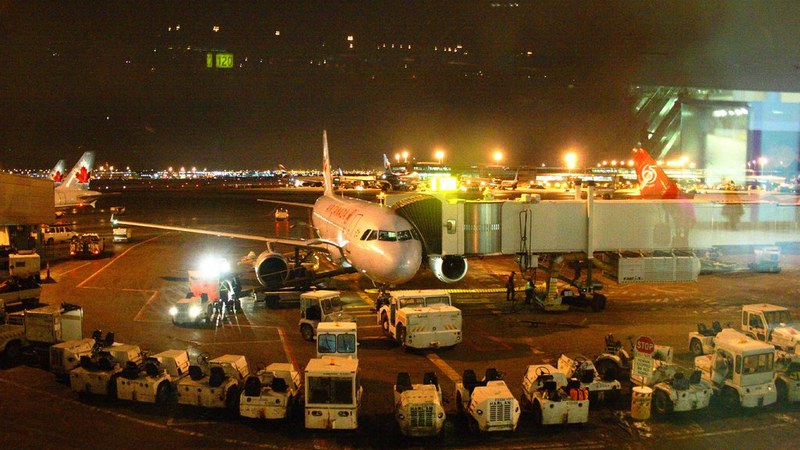
More than 10,000 flights entering or departing the United States were delayed or canceled on November 14, 2026, following a nationwide ground stop ordered by the Federal Aviation Administration (FAA) the previous day. The ground stop began shortly after 3:36 p.m. ET on November 13 and was lifted at 8:15 p.m. the same evening.
Key airports impacted by the disruption included Hartsfield-Jackson Atlanta International Airport, Chicago O’Hare International Airport, John F. Kennedy International Airport in New York, and Dallas-Fort Worth International Airport. The delays and cancellations extended to other hubs such as Chicago Midway and Boston Logan International Airport, significantly
affecting passenger travel nationwide.
Cause of the Ground Stop and Technical Issues
Transportation Secretary Sean Duffy explained that the disruption stemmed from upgrade work by a contractor replacing aged copper wire with fiber optic cables at a remote FAA location. A newly installed router began flooding other systems within the FAA’s air traffic control network, leading to communication problems and disturbances in radar feeds across 17 of 22 en route facilities.
Despite the instability, the FAA confirmed no facility experienced a complete communication loss or went dark. The faulty router was isolated and taken offline, allowing the agency to restore full operations. Secretary Duffy clarified that there was
no evidence of cyberattacks or nefarious activities causing the incident.
Flight Cancellations, Airline Responses, and Recovery
FAA Administrator Bryan Bedford estimated that approximately 5,000 of the 41,000 flights scheduled for November 14 would be canceled as airlines worked to reposition crews and aircraft. Airlines including American Airlines, United Airlines, and Delta Air Lines notified customers of extensive delays and cancellations. Delta encouraged travelers to reschedule flights for November 16 or later.
Despite cancellations and delays persisting through November 14, Bedford stated, “We will still have delays and cancellations today, but that will set us up for full recovery tomorrow.” He added that airline partners expect to
have complete flight schedule integrity by the end of November 15.
Passenger Impacts at Major Airports
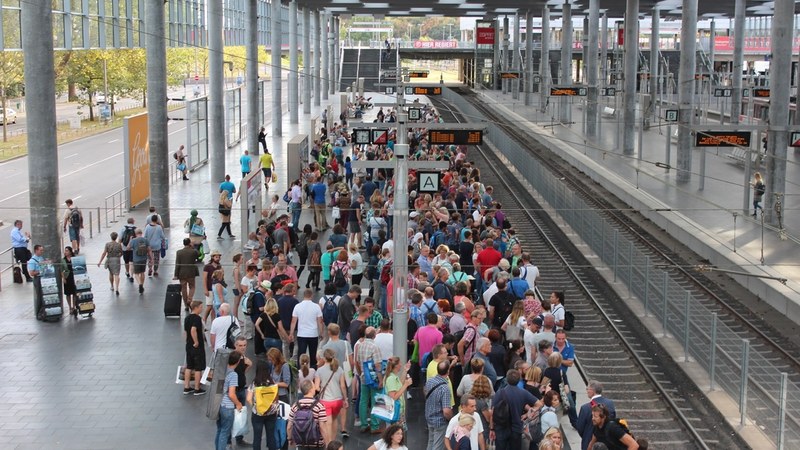
Thousands of travelers were stranded or faced long waits at major airports nationwide. At Indianapolis International Airport, some passengers lost their seats due to cascading cancellations. At Boston Logan International Airport, a therapy dog was deployed to comfort frustrated travelers amid the disruption.
Passengers reported multiple rebookings and extended airport stays. For example, Terese Churchill from Vermont had three cancelled Alaska Airlines flights trying to reach Seattle, spending nights away from home before finally securing a later flight.
Ongoing Investigation and FAA Modernization Efforts
The FAA and contractor L3Harris, which manages the FAA Telecommunications Infrastructure
supporting approximately 45,000 daily flights and over 4,400 facilities, are investigating the root cause of the router failure. Officials are examining whether installation errors or defective equipment triggered the issue.
Transportation Secretary Sean Duffy reiterated a request to Congress for $50 billion to support FAA modernization efforts. L3Harris stated it takes the nationwide ground stop’s impact seriously and is cooperating with the investigation.
This incident marks the second nationwide ground stop in the United States since the September 11, 2001 terrorist attacks, the previous one occurring on January 11, 2023.