The Federal Aviation Administration (FAA) imposed a nationwide ground stop on November 13, 2026, suspending flights across the United States due to a telecommunications issue affecting regional air traffic control centers. The ground stop was lifted late the same day, around 8:30 p.m. Eastern Time, allowing flights to gradually resume.
Flight Cancelling and Delays at Major Canadian Airports
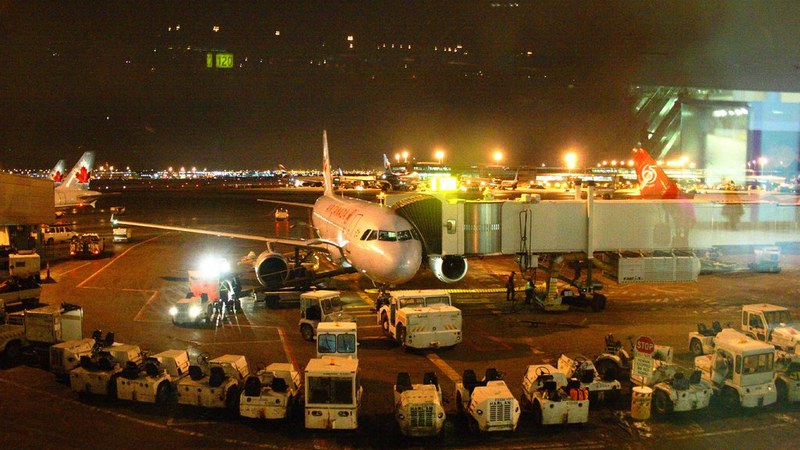
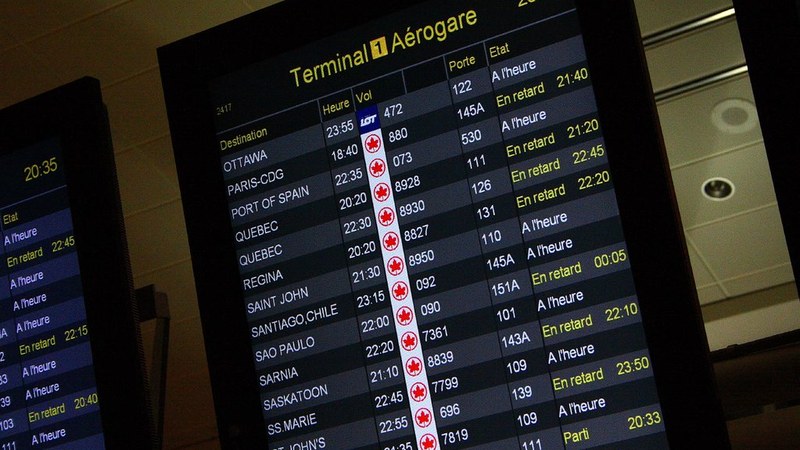
This disruption extended to several Canadian airports with cross-border services. Toronto Pearson International Airport reported 92 cancellations and 97 delays as of 11:48 a.m. ET on November 14, 2026. Among the cancellations, 62 involved flights either to or from the US. Montréal-Trudeau International Airport recorded approximately 61 cancellations on November
13 and nearly 40 cancellations on November 14. Calgary International Airport also canceled multiple US-bound flights on November 13 and 14, leaving some passengers stranded.
Airline Responses and Passenger Advisory
Both Air Canada and WestJet faced significant operational disruption. Air Canada confirmed the lifting of the FAA ground stop but noted ongoing delays and cancellations affecting flights, particularly those crossing US airspace, including routes to the Caribbean and South America. The airline urged passengers to monitor their bookings using its online platforms. WestJet issued a travel advisory covering November 13 through 15, 2026, for flights to the US, Mexico, the Caribbean, and Costa Rica. The
airline offered one-time change or cancellation fee waivers for eligible customers affected by the disruption.
Cause of Disruption
The FAA ground stop resulted from a telecommunications failure impacting several regional US air traffic control centers, prompting the FAA to halt flights nationwide in order to test and ensure the safety of air traffic management systems. The issue forced cross-border flights between Canada and the US to be suspended temporarily, resulting in widespread cancellations and delays as airlines and airports adjusted schedules.
Passenger Experiences and Operational Impact
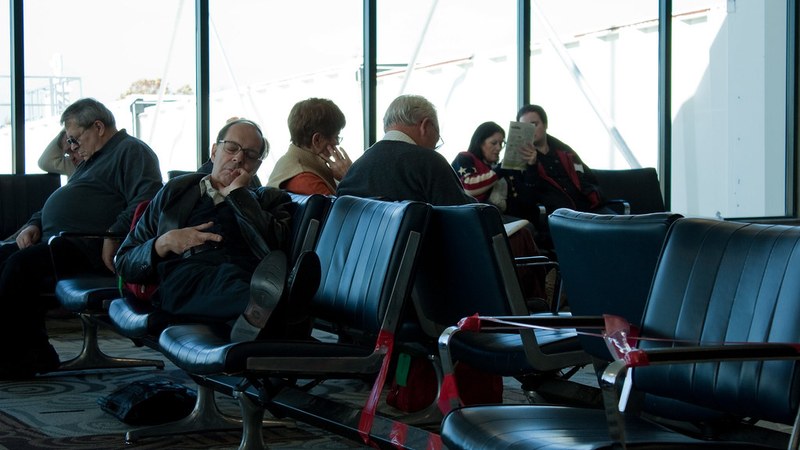
At Calgary International Airport, stranded passengers were sometimes boarded before being disembarked and rebooked on later flights, including a delayed flight to
Denver that was rescheduled for 9 a.m. on November 14. Travelers faced last-minute cancellations, delays, and rebooking challenges due to crew and aircraft scheduling issues caused by the initial ground stop. A Calgary passenger, Naji Zuain, remarked on the difficulty of covering expenses for a disruption outside the airlines’ control.
Official Statements and Ongoing Recovery
Toronto Pearson confirmed that US-bound flights had resumed but cautioned that additional cancellations and delays could occur during schedule recovery. Air Canada reiterated that while the FAA lifted the ground stop on November 13, some flights might continue to experience disruption. WestJet highlighted its travel advisory and flexible booking options
to assist customers through November 15. Calgary International Airport requested passenger patience while operations normalized following the lifted ground stop.
Continuing Delays and Passenger Guidance
Despite the FAA lifting the ground stop late on November 13, cancellation and delay effects persisted on November 14 and continued into November 15 at Canadian airports with US-bound flights. Travelers were advised by airlines and airports to check flight status updates regularly before traveling to airports. This ongoing congestion stems from operational and scheduling challenges caused by the prior system outage affecting US airspace control.