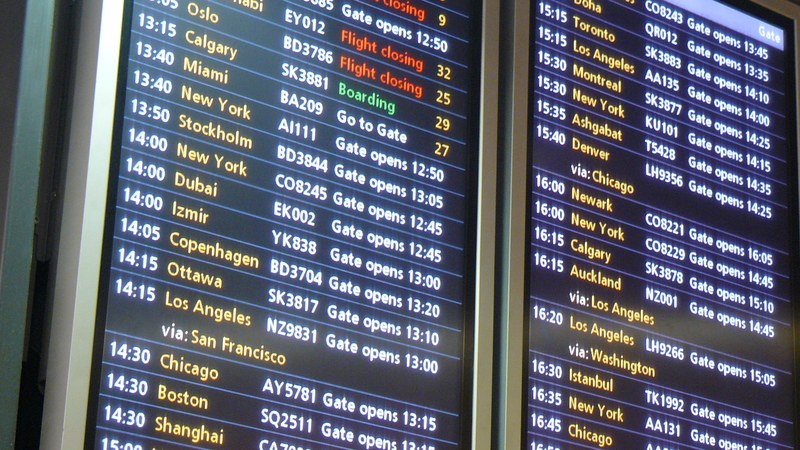
The Federal Aviation Administration (FAA) implemented a nationwide ground stop on November 13, 2026, at 3:36 p.m. EST amid a telecom network upgrade malfunction, impacting approximately 3,500 flights in US airspace at that time. The ground stop lasted nearly four hours, lifting at 8:20 p.m. EST the same day.
This disruption led to over 9,159 flight cancellations and 7,190 delays on November 13 alone, according to flight tracking data, totaling around 12,000 flights canceled or delayed including commercial and private operations. A continuation of the recovery on November 14 caused more than 5,000 cancellations and about 5,300 delays. FAA officials
expected flight operations to normalize by the end of November 15.
Cause and Scope of FAA System Failure
The FAA attributed the ground stop to equipment instability caused by a contractor-led upgrade replacing outdated copper wiring with fiber optics at a remote air traffic control facility. The incident involved a Cisco 600 series router from 2001 to 2006, which began flooding network traffic to other routers, resulting in overload across 17 FAA facilities.
L3Harris Technologies, the contractor responsible for the upgrade system, acknowledged the issue and confirmed cooperation in the ongoing investigation. FAA Administrator Bryan Bedford described the ground stop as a precautionary measure after 45 minutes
of system instability. There was no evidence of any cyberattack or AI-related factors in the incident.
Major Airports and Airline Responses
Flight disruptions concentrated at major airports including Chicago O’Hare, Chicago Midway, New York’s JFK, Newark Liberty, LaGuardia, Boston Logan, Hartsfield-Jackson Atlanta, Miami International, Pittsburgh International, Los Angeles International, and Baltimore Washington International.
Delta Air Lines, American Airlines, and Southwest Airlines reported widespread delays and cancellations, with each carrier implementing flexible rebooking and cancellation policies to accommodate affected passengers. Delta advised customers to anticipate ongoing delays on November 14 while repositioning crews and aircraft. American Airlines warned of lingering disruptions during the recovery phase. Southwest
Airlines enabled waived fees for flight changes to ease traveler burden.
Official Statements and Government Reaction
Transportation Secretary Sean Duffy confirmed the resumption of full air traffic operations by November 14 and thanked pilots, air traffic controllers, and airline staff for managing the situation safely. He stated, “We are back at full operations,” emphasizing the priority to ensure travelers reached their destinations safely. Duffy highlighted the FAA’s ongoing modernization efforts, noting a $12.5 billion funding down payment secured during the Trump administration but indicated additional funding requests totaling $30 billion were submitted following the incident.
FAA Administrator Bryan Bedford supported the decision to ground flights
“out of an abundance of caution” during the network instability. Homeland Security Secretary Markwayne Mullin stated there was no indication the cause was a cyberattack. Congressional representatives Rick Larsen and Andre Carson criticized the delayed federal response and emphasized accountability for the incident, noting only $1 billion of the appropriated modernization funds had been disbursed.
Flight Recovery and Passenger Impact
On November 13, about 50,000 flights were scheduled nationwide, with 30,000 completed before the ground stop. The incident prevented completion of roughly 12,000 flights, including 3,000 private flights. The following day, flight cancellations were projected between 4,000 and 5,000, continuing delays and cancellations through November
14 and into November 15.
Major hubs across the country experienced significant operational disruptions. Travelers faced cancellations and extended delays, stranding many in Chicago, New York City, Boston, Atlanta, Miami, Pittsburgh, Los Angeles, and Baltimore. Airlines continued restoration efforts to reposition crews and aircraft, working toward full service normalization by November 15.