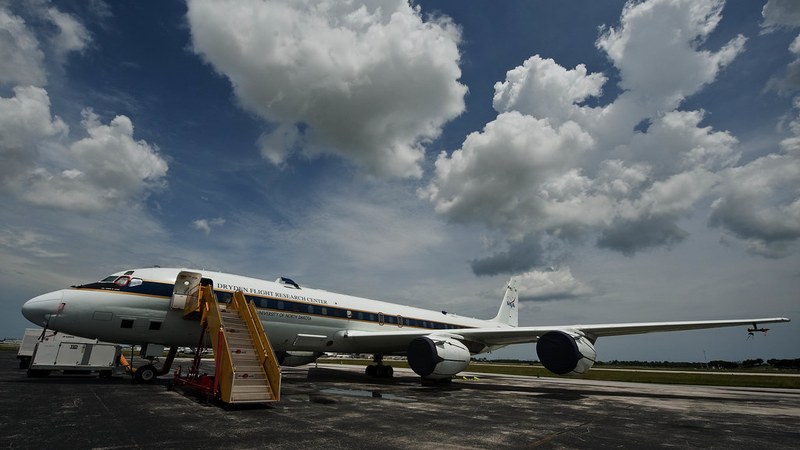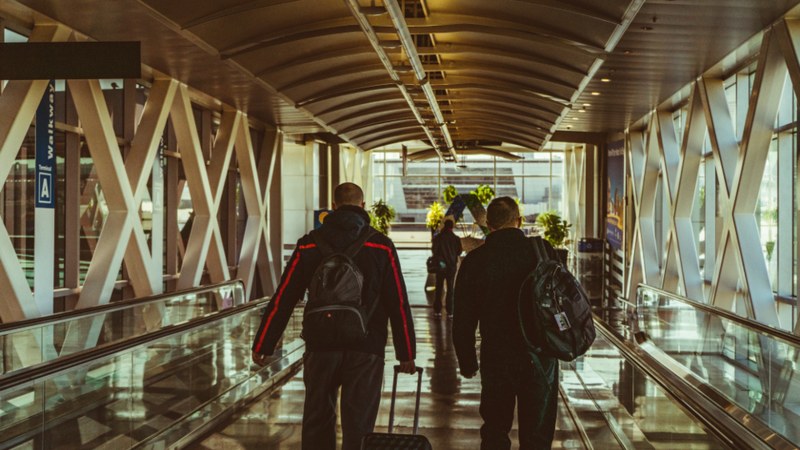
The United States Federal Aviation Administration (FAA) issued a nationwide ground stop on Friday, November 13, 2026, at 3:36 p.m. EST affecting approximately 3,500 flights in the air due to a critical telecommunications failure. The ground stop remained in effect for over four hours and was lifted around 8:20 p.m. EST the same day.
The FAA’s decision led to widespread flight cancellations and delays, with flight tracking company FlightAware reporting 9,159 flights canceled and 7,190 delayed on November 13 alone. Disruptions extended into Saturday, November 14, resulting in more than 5,000 additional cancellations and 5,300 delays nationwide, impacting commercial and
private aviation sectors.
Equipment Failure During Network Upgrade Triggers Ground Stop
The root cause of the ground stop was traced to routine maintenance work at FAA facilities transitioning from old copper wiring to fiber optics. During this process, a Cisco 600 series router produced between 2001 and 2006 began flooding other routers with approximately 1,000 logon attempts every four to five seconds, destabilizing communications and radar systems across 22 regional air traffic control centers responsible for high-altitude traffic management.
FAA Administrator Bryan Bedford characterized this as routine maintenance that unexpectedly caused 45 minutes of system instability affecting 17 FAA facilities. The decision to impose a ground stop was
made “out of an abundance of caution,” Bedford said, with no evidence found linking the failure to cyberattacks or artificial intelligence-related issues.
Technology and defense contractor L3Harris, involved in the infrastructure upgrade, confirmed close coordination with the FAA and is assisting in the ongoing investigation. The FAA and L3Harris are examining whether human error or defective hardware was involved in the outage.
Major US and Canadian Airports Experience Widespread Delays and Cancellations
Key US airports including Chicago O’Hare, Chicago Midway, Newark Liberty, John F. Kennedy, LaGuardia, Washington Dulles, and San Francisco International faced significant operational disruptions. Canadian hubs Toronto Pearson and Montreal-Trudeau suspended or canceled hundreds of flights bound for
the United States as a result of the FAA ground stop.
The total number of disrupted flights on November 13 reached approximately 12,000, with 3,000 consisting of private flights. Major commercial airlines including United Airlines, Southwest Airlines, Delta Air Lines, and American Airlines reported extensive passenger delays and cancellations.
Delta Air Lines announced flexible rebooking policies for affected customers on November 14 due to ongoing schedule adjustments. Southwest issued waivers allowing customers to cancel or reschedule flights without penalty, while American Airlines warned that disruptions would persist into November 14.
FAA Officials Urge Modernization Amid Aging Infrastructure Challenges
Transportation Secretary Sean Duffy highlighted that the FAA air traffic
control system relies on legacy technology and aging infrastructure. Approximately 70% of copper wiring in the system has been replaced by fiber optics to date. Duffy stressed the need for increased funding to complete modernization efforts, citing a $12.5 billion partial funding approved by Congress against a requested $30 billion.
Duffy said, “We are back at full operations,” praising FAA staff, pilots, air traffic controllers, and passengers for their professionalism during the incident. He rejected cyberattack theories, confirming the cause was an internal system failure. Homeland Security Secretary Markwayne Mullin also stated there was no indication of a cyberattack or
connection to recent Microsoft outages.
FAA Administrator Bedford noted 30,000 of 50,000 scheduled flights completed before the ground stop, with plans for recovery by November 15. He acknowledged ongoing cancellations on November 14 but expressed confidence in a return to normal scheduling by Sunday.
Passenger Impact and Ongoing Delays Continue
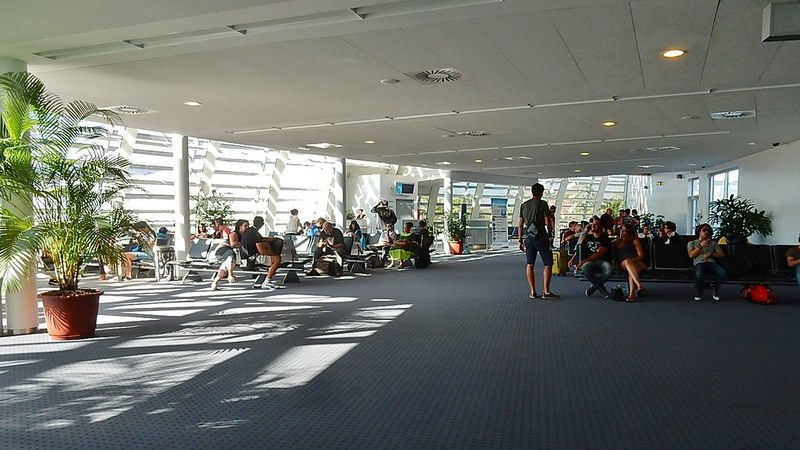
Passengers faced thousands of delays and cancellations through November 14, with travel disruptions continuing into November 15. Airlines repositioned crews and aircraft to restore normal operations. Major airports in Boston, Atlanta, Miami, Pittsburgh, New York City, Los Angeles, and Baltimore remained affected by residual delays.
Transportation Secretary Duffy urged travelers to anticipate continued scheduling adjustments. Airlines
activated customer service waivers and flexible rebooking options to accommodate displaced passengers amid persistent disruptions.
Despite the unprecedented disruption, FAA and government officials have confirmed that flying remains safe.