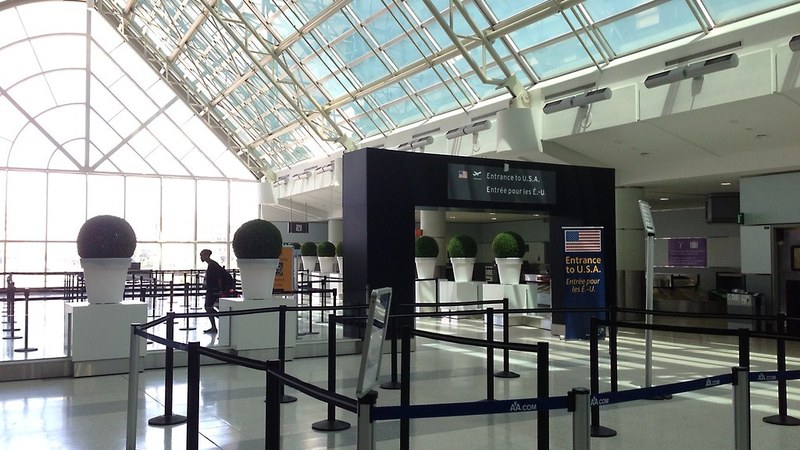
About 10,000 flights to and from the United States were cancelled on November 13, 2026, after the US Federal Aviation Administration (FAA) grounded all domestic flights for approximately four hours due to communications failures at regional air traffic control centers. The shutdown, described by the FAA as caused by “extraordinary circumstances and for reasons of safety,” led to the longest US air traffic control outage since the September 11 attacks.
Flights Cancelled and Delayed at Heathrow and Gatwick
The ripple effect of the US FAA shutdown extended to London airports on November 14, 2026. London Heathrow Airport recorded 31 cancelled flights to and from the US as of
9:45 a.m. that day, along with delays affecting approximately 20 departures. Meanwhile, London Gatwick Airport cancelled three inbound flights arriving from Orlando, Florida, scheduled for 7:30 a.m.
British Airways acknowledged delays and cancellations linked to the FAA issues and advised customers to travel to the airport as planned unless informed otherwise. A British Airways spokesperson said, “Our flights departing the United States may be delayed due to the ongoing air traffic control issue. Customers are advised to travel to the airport as planned so we can try to depart our aircraft as quickly as possible. This is entirely outside of
our control and our teams are working hard to minimise any disruption to our customers.”
Virgin Atlantic cancelled its London Heathrow to New York JFK flight scheduled for November 13, 2026. The airline urged passengers to monitor flight status via its website amid ongoing uncertainty.
Cause of the US Air Traffic Shutdown
The FAA grounded all US flights due to communications issues at regional air traffic control centers. US Homeland Security Secretary Markwayne Mullin explained that the introduction of new technology into an aging air traffic control system overwhelmed it, ruling out any cyberattacks or rogue artificial intelligence involvement.
Eurocontrol, the European air traffic management organization, suspended
all US-bound flights from its 42 member states—including the UK, Ireland, Germany, France, Israel, and Morocco—from 2200 UTC on November 13 to 0500 UTC on November 14 at the FAA’s request. This suspension added to the disruptions affecting transatlantic air traffic.
Official Statements on Disruption and Recovery
US Transportation Secretary Sean Duffy announced that US airspace reopened shortly after 1:30 a.m. GMT on November 14 but warned that disruptions would persist for several days as airlines worked to manage delays and rebook passengers. Duffy stated, “We didn’t think we would have this kind of outage. We did. We were able to review what went wrong, and
then reboot the system and go. But, you will have more of these.”
Tim Johnson, consumer director at the UK Civil Aviation Authority, said passengers should anticipate follow-on disruption despite the resumption of US flights. He added, “While US flights have resumed, there may be some follow-on disruption as airlines work to re-book affected passengers and get all services back to normal. Anyone due to travel on flights between the UK and USA should check with their airline for the latest information before heading to the airport. We know that UK airlines are doing all they can to minimise inconvenience
and to make sure their customers are properly looked after.”
A Virgin Atlantic spokesperson confirmed the airline was closely monitoring the situation and assessing its impact on flights.
Impact on Transatlantic Flights and Ongoing Disruption
The FAA shutdown affected flights on both sides of the Atlantic, leading to cancellations and delays in US airports and European hubs. Eurocontrol’s suspension of US-bound flights from member states further compounded travel disruptions on November 14, 2026.
British Airways and Virgin Atlantic operated affected flights, particularly those linking London Heathrow and Gatwick with US destinations such as New York JFK and Orlando. Passengers travelling between the UK and the US faced
delays and cancellations due to the communication failure at the heart of the US air traffic management system.
The disruption is expected to continue into the coming days as airlines adjust schedules and rebook passengers impacted by the outage.