The U.S. Federal Aviation Administration (FAA) issued a nationwide ground stop shortly before 4 p.m. ET on Friday, November 13, 2026, halting all U.S.-bound flight departures and arrivals due to communications problems at regional air traffic control centres. The suspension remained in effect until 8:15 p.m. ET when the FAA lifted the order, allowing flights to resume.
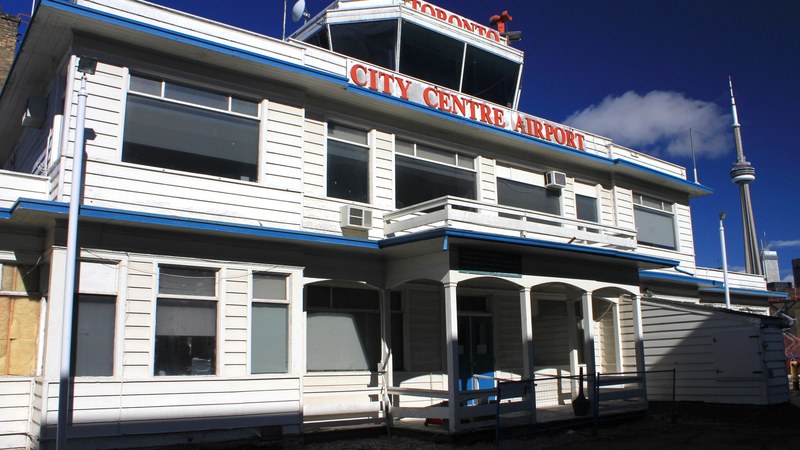
Flight Cancellations at Toronto Pearson and Billy Bishop Airports
Toronto Pearson International Airport suspended all U.S.-bound departures and arrivals during the FAA ground stop. More than 120 U.S. flights scheduled to depart or arrive at Pearson were cancelled, including some Air Canada flights to the Caribbean and South America that transit U.S.
airspace. In addition, 20 other international flights at Pearson were also cancelled due to the stoppage.
Porter Airlines cancelled all remaining Friday U.S.-inbound and outbound flights at Toronto Billy Bishop Airport. Air Canada likewise cancelled all its flights to and from the U.S. for the rest of the Friday evening period.
NAV Canada’s Role and Traffic Management Measures
NAV Canada reported its air traffic control systems were operating normally throughout the disruption and stated that the FAA ground stop did not affect its operations. To safely manage traffic volumes during the ground stop, NAV Canada implemented brief traffic management measures at Toronto Pearson and three other major
Canadian airports; these measures were lifted shortly after implementation.
Resumption of Flights and Ongoing Delays
The FAA lifted the nationwide ground stop around 8:15 p.m. ET on November 13, 2026, allowing flights to resume. However, delays and cancellations persisted as airlines worked to clear backlogs and restore normal operations. Toronto Pearson Airport spokesperson Erica Vella emphasized continued delays and cancellations but said the airport was “working very, very closely with our airlines” to return schedules to normal.
Passenger Impact and Experiences
Hundreds of travelers were stranded at Toronto’s two airports due to cancelled and delayed flights, affecting routes including New York City, Las Vegas, Los Angeles, and connecting U.S. flights.
Passenger Donna, flying to New York City, said, “I was really hoping to fly out tonight. So, it’s a bit of an unfortunate situation.” She added, “Definitely very disappointed that my plans for the weekend have been cancelled, or at least very delayed.” Another passenger, Derek, scheduled to fly to Las Vegas, commented, “It’s most likely going to be cancelled. And even if you’re rebooked till tomorrow, it’s unlikely. So, I think you’re going to have people with a lot of refunds.” Lyle Jakobsen, stranded in Sint Maarten on an Air Canada flight, said, “Air Canada has been very communicative
with us, and we’re happy with that for sure. So, what one more night in Saint Martin is probably not the worst scenario.”
Official Responses and Recovery Efforts
Erica Vella of Toronto Pearson Airport said the airport is entering a recovery phase to restore airline schedules and get passengers to their destinations. NAV Canada confirmed it would continue to manage air traffic safely and efficiently following the lifting of traffic management measures. Air Canada confirmed the cancellation of all U.S. flights on the evening of November 13 and maintained communication with affected passengers. Billy Bishop Airport advised passengers to contact their airlines for flight updates.
Federal Transport Minister Steven McKinnon stated that while Canadian air traffic control systems were functioning normally, travel disruptions to the U.S. persisted due to the FAA ground stop. The federal government remained in close contact with NAV Canada and relevant authorities to monitor the situation.
North American Airspace Disruption Context
The FAA’s ground stop issue was caused by communication failures at regional U.S. air traffic control centres and represented a safety precaution to prevent accidents. The stoppage affected all U.S. airspace and, by extension, delayed and cancelled flights at Canadian airports reliant on U.S. airspace access, including routes to the Caribbean and South America. Airlines
face challenges reconstructing schedules after this sudden disruption disrupted hundreds of flights across North America.