The Federal Aviation Administration implemented a nationwide ground stop on November 13, 2026, due to communication failures affecting regional air traffic control centers. This rare measure, enacted for “extraordinary circumstances and for reasons of safety,” halted departures at airports across the United States, marking the first ground stop of this scale since January 2023 and the first major one since the September 11, 2001 attacks.
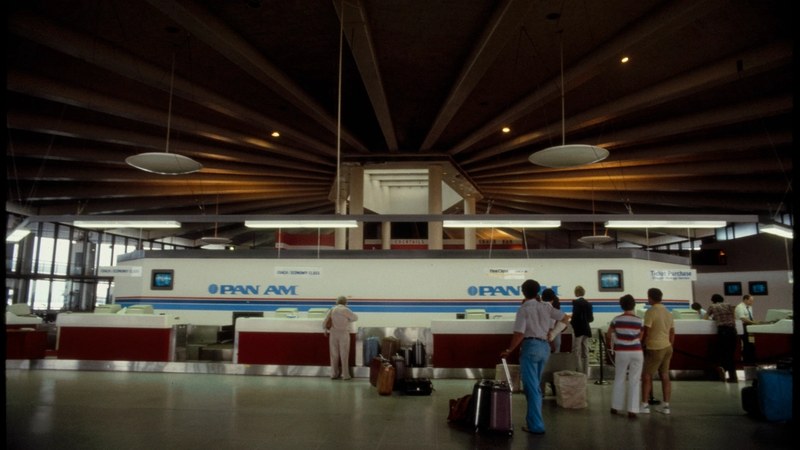
Chicago O’Hare International Airport and Chicago Midway International Airport were heavily impacted by the FAA’s ground stop. Hundreds of flights were delayed or canceled, creating crowded terminals and long waits for passengers. At O’Hare’s Terminal
3, travelers lingered with their luggage amid chaotic conditions near the gates, with one passenger describing a lack of consistent information and “chaos” as announcements echoed throughout the airport.
Flight Delays and Cancellations Persist After Ground Stop Lifted
The FAA lifted the nationwide ground stop at around 7:30 p.m. Central Time. Despite the resumption of flight operations, delays and cancellations persisted at Chicago’s main airports. By 9:30 p.m., nearly 900 flights remained delayed at O’Hare and Midway combined, down from more than 1,000 earlier that day. Additionally, over 800 flights were canceled at the two airports, with cancellations concentrated mainly at O’Hare.
Airline Responses and Passenger Experience
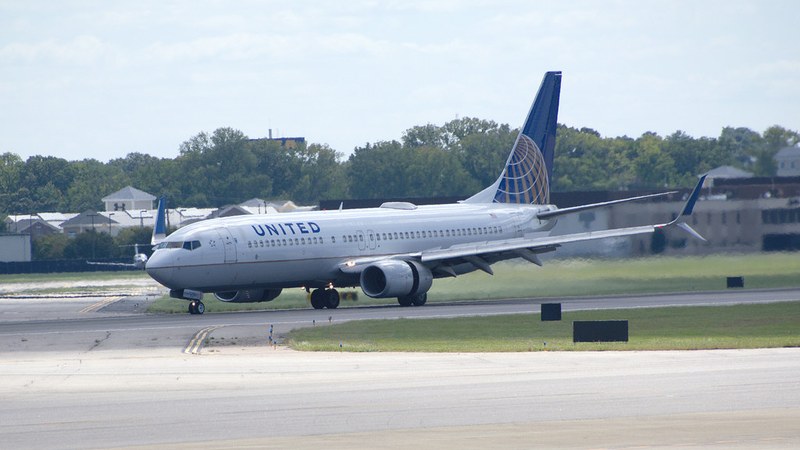
United Airlines announced the resumption of some
planned Friday night flights but recognized significant cancellations. It provided travel waivers allowing customers to modify their plans throughout the weekend as the airline worked to restore its full schedule. American Airlines prioritized operating remaining flights and focusing recovery efforts on non-hub city routes and international services. The airline also anticipated residual delays and cancellations following the FAA ground stop.
Passengers reported extensive frustration. Pankti Patel, whose flight from Chicago to Napa Valley was canceled, expressed distress over disrupted long-term plans to reunite with her sister for the first time in 20 years. Another traveler, Danitra Haynes, delayed at O’Hare
while awaiting a scheduled flight back to Los Angeles, booked a hotel in anticipation of continued disruptions. Passenger Shawntell Sharrock described a lack of unified communication and “chaos” at O’Hare’s gates during the outage.
Official Statements and Investigation
The FAA stated the ground stop was imposed due to “extraordinary circumstances and for reasons of safety.” Secretary of Homeland Security Markwayne Mullin confirmed the communications failures were caused by a telecommunications outage affecting all Air Route Traffic Control Centers and said there was no indication of a cyberattack. Mullin reassured the public that “everybody’s safe” and there was no cause for concern regarding passenger safety.
U.S. Senator Tammy Duckworth, serving as Aviation Subcommittee Ranking Member, demanded a thorough investigation into the cause of the ground stop. Authorities are examining the FAA’s recent nationwide rollout of a new artificial intelligence system near Washington, D.C., though the system currently only provides recommendations and does not directly control air traffic centers.
FAA Technology Modernization Efforts
The FAA has been engaged in a multi-billion dollar effort to modernize aging air traffic control technology. The U.S. Congress approved $12.5 billion last year for this project aimed at replacing outdated copper wires with fiber optic lines and upgrading radio communication systems at airports nationwide. Additional
funding of roughly $30 billion will be required to complete the modernization.
Experts note that the telecommunications outage that triggered the ground stop resembles previous regional disruptions linked to obsolete technology. Aviation safety analyst Steve Arroyo highlighted that degraded communication infrastructure necessitates grounding flights to avoid risking loss of contact with aircraft.
Passenger Uncertainty and Continuing Recovery Challenges
Many passengers reported inconsistent information and confusion during the disruption. According to Shawntell Sharrock, “There’s not a solidified, same answer from anyone” regarding flight status and recovery timelines. Airlines have implemented waivers and recovery plans, but considerable delays and cancellations continue into the weekend.
Travelers at Chicago’s airports
faced lengthy waits and logistical challenges amid ongoing operational constraints. Despite the ground stop being lifted hours earlier, the volume of delayed and canceled flights at O’Hare and Midway remained high late into the night, complicating efforts by airlines to restore normal service.