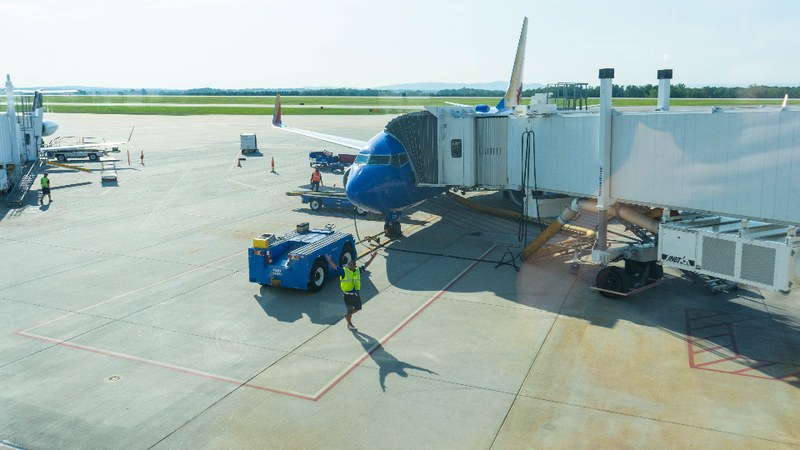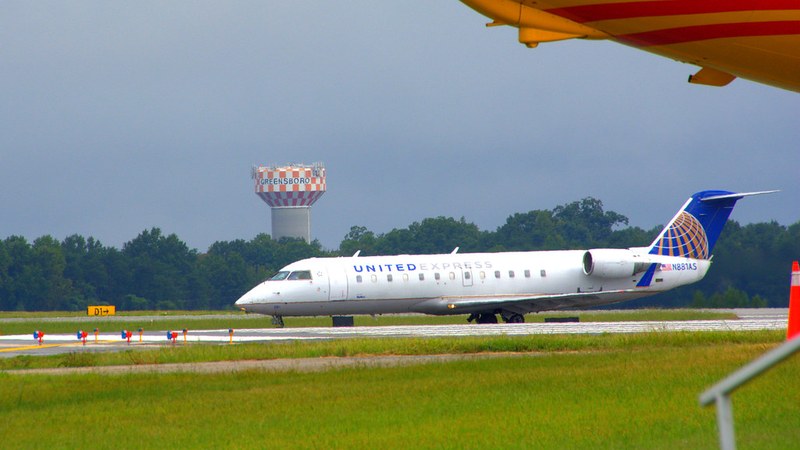
The U.S. Federal Aviation Administration (FAA) imposed a nationwide ground stop on all U.S. flights shortly after 4 p.m. Eastern Time on November 13, 2026, due to communications failures at regional air traffic control centers. The grounding lasted approximately four and a half hours, ending at 8:15 p.m. This marked only the second instance since the September 11, 2001 terrorist attacks that all U.S. air traffic was halted nationwide.
Disruptions at Toronto Pearson and Billy Bishop Airports
Toronto Pearson International Airport experienced significant disruptions to U.S.-bound flights during the ground stop. Flights that did not require U.S. airspace continued operating, but all others were delayed or cancelled. To
assist passengers, Pearson deployed extra staff and resources in terminal areas, especially the U.S. departures zones. Meanwhile, Billy Bishop Toronto City Airport cancelled all remaining U.S.-bound flights for the day operated by Air Canada and Porter Airlines.
Airline Responses and Flight Resumptions
Air Canada announced on social media at 9:20 p.m. that its operations would gradually return to normal but warned that disruptions would continue into Saturday. Toronto Pearson Airport cautioned that U.S. flights departing and arriving would still face cancellations and delays as airlines restored schedules. NAV Canada, the Canadian air navigation service provider, stated it would continue efforts to maintain safe and efficient
air traffic flow in Canadian airspace while delays are expected during recovery.
Passenger Experiences Amid Cancellations and Delays
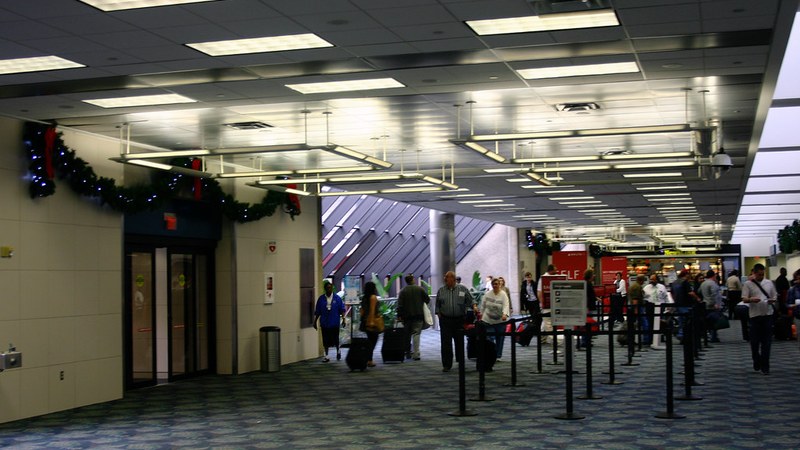
Numerous passengers at Pearson terminal 3 were stranded amid the prolonged disruptions. Some slept on floors alongside luggage, while others endured lengthy waits alongside frequent calls to airlines. Passengers expressed frustration and uncertainty due to limited communication regarding flight status. Several were forced to seek overnight accommodation after cancellations, with reported hotel costs rising amid the disruption. Some travellers overheard aviation staff discussing operational impacts, but official information to passengers remained sparse during the incident.
Official Statements and Safety Assurances
Canadian Transport Minister Steven MacKinnon said Canada remains ready to support U.S. authorities
responding to the disruptions. U.S. Transportation Secretary Sean Duffy confirmed reopening of U.S. airspace at 8:15 p.m. and noted the grounding stemmed from “extraordinary circumstances and for reasons of safety,” citing aging air traffic control infrastructure. U.S. Secretary of Homeland Security Markwayne Mullin reassured the public there were no indications the outage was caused by an attack. The FAA highlighted that backup systems also failed during the communications outage and investigations were underway to determine causes.
Infrastructure Challenges and Funding Context
The FAA began experiencing radar and communication system disruptions at 3:36 p.m. Eastern on November 13. Prior to the nationwide ground stop, air traffic
was halted in Chicago due to related issues. The U.S. Congress approved $12.5 billion last year for FAA infrastructure modernization. On the same day as the outage, the FAA requested an additional $30.1 billion to overhaul the aging air traffic control system, which has faced ongoing equipment failures and staff shortages that contributed to the incident.