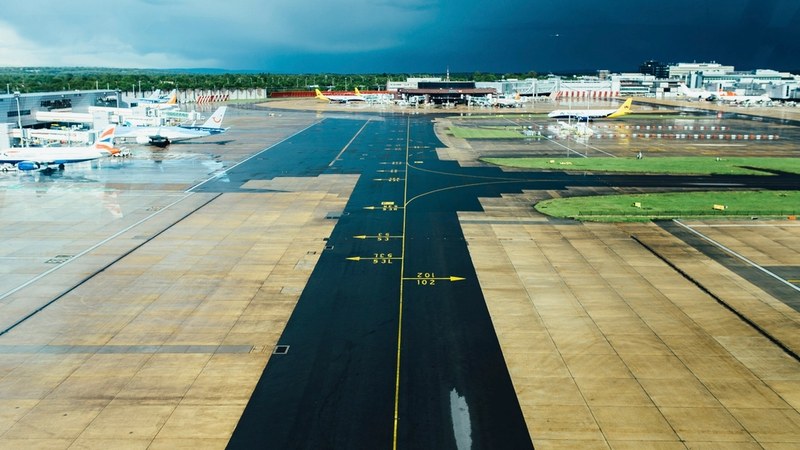
The Federal Aviation Administration (FAA) issued a flight delay advisory on November 10, 2026, warning of potential disruptions at 14 major U.S. airports. The advisory cited low cloud ceilings as a concern for six airports in Texas and the western United States and gusty winds posing risks at eight airports in the Northeast and Mid-Atlantic regions, including New York, Boston, and Washington, D.C.
FlightAware reported over 900 flights within, into, or out of the United States were delayed on November 10, though these delays stem from a combination of weather, scheduling, and operational factors. San Francisco International Airport faced 187
flight delays and three cancellations by approximately 10:30 a.m. on November 9, 2026, due to dense fog that caused average arrival delays of about 63 minutes. Seattle-Tacoma International Airport experienced gate-hold and taxi departure delays ranging from 31 to 45 minutes on November 10, primarily because of runway construction, a factor unrelated to the FAA’s weather advisory. Arriving flights at Seattle faced airborne delays of 15 minutes or less during the same period.
Weather Conditions Affecting Operations
Low cloud ceilings reduce visibility during approaches and departures, requiring air traffic controllers to increase spacing between aircraft for safety. This spacing slows flight operations even if
airports remain open. Gusty winds can lead to changes in runway utilization and aircraft spacing during takeoff and landing, which diminishes airport handling capacity during peak periods. The FAA’s operational forecast included possible gusts up to 20 knots in the Northeast on November 10.
Impact on Travelers and Flight Status Monitoring
Travelers flying through affected airports, particularly on routes between Texas and New York, should anticipate the possibility of delays on November 10 and possibly into November 11. The FAA recommends passengers use the National Airspace System Status for updates on airport-wide restrictions and rely on airline communications for flight-specific information. Refunds are available under U.S. Department
of Transportation rules for cancellations or significant schedule changes when passengers opt not to travel. However, compensation such as meals, hotels, or ground transportation generally applies only to disruptions under airline control and not weather-related delays.
FAA Advisory as a Forecast, Not Confirmation
The FAA emphasized that its advisory highlights potential operational issues rather than confirming that all identified airports are experiencing ongoing delays. Conditions can evolve during the day, leading the FAA to impose ground stops or ground delay programs as necessary, adapting to weather and airport demands. Passengers should expect possible changes throughout the day as air traffic capacity adjusts to the weather conditions forecasted
on November 10.