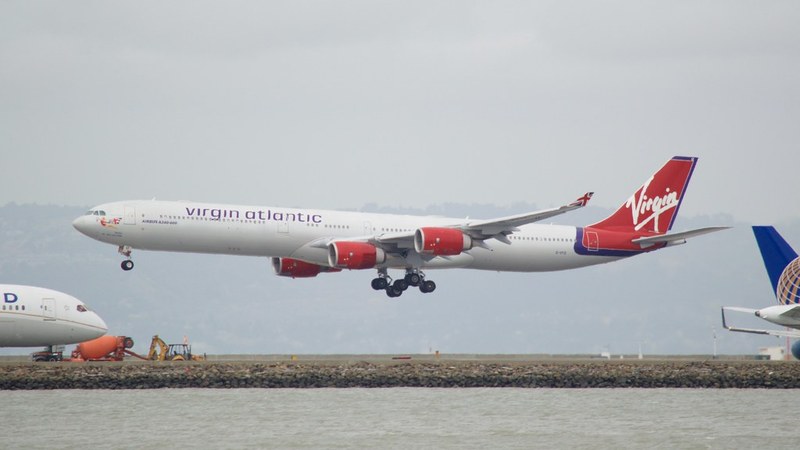
A fast-moving storm system on November 10, 2026, disrupted operations at nine major US airports, resulting in more than 1,600 delayed flights and over 300 cancellations nationwide.
The storm produced low clouds, rain, gusty winds, low ceilings, reduced visibility, and crosswinds. These conditions affected airport operations along major air corridors including the Pacific Northwest, Upper Midwest, and Northeast United States.
Ground Delay Programs at Key Airports
Ground delay programs were implemented at several major hubs to maintain safety. Seattle–Tacoma International Airport experienced low ceilings and visibility reductions during morning hours, prompting ground delay initiatives. New York LaGuardia Airport faced slower arrival flows due to gusty winds
and showers, resulting in arrival restrictions. Boston Logan Airport also had ground delay programs in effect and experienced delays earlier in the day. Additional delays occurred at airports in Chicago and Detroit amid bands of rain crossing Midwestern states.
Flight Disruptions Nationwide
Federal Aviation Administration data revealed weather-related traffic management initiatives at nine major airports on November 10. More than 1,600 flights were delayed and over 300 cancelled. On a normal day, US airports handle over 45,000 flights, so even temporary caps on arrivals and departures at these busy hubs affected hundreds of thousands of passengers across multiple states.
Meteorological Causes of Disruptions
According to the National
Weather Service’s Aviation Weather Center, a band of disturbed weather stretched from the Pacific Northwest through the Upper Midwest to the Northeast on November 10. Low cloud layers, embedded thunderstorms, and rain caused conditions to fall below visual flight minima at some airports, limiting air traffic controllers’ capacity to safely space arrivals. Crosswinds and gusty winds further complicated operations, notably at Seattle–Tacoma and New York-area airports.
Radar imagery showed precipitation bands impacting main East-West traffic corridors. While not all nine airports simultaneously enforced ground delay programs, the combined effect created rolling constraints affecting inbound aircraft and airspace volume.
Passenger Impact and Ongoing Consequences
Thousands of
airline passengers faced delays or cancellations, with travelers connecting through northern airports likely to experience residual disruptions into November 11. Restrictions at the nine major hubs also caused ripple effects at smaller airports due to missed connections and delayed inbound aircraft and crews.
Flight arrival rates were capped strategically during morning and late afternoon peak periods to maintain safety margins, compounding the delays and cancellations during the day.
Flight disruptions also strained air traffic control and ground operation staffing, which hampered recovery speed once weather conditions improved. Rising occurrences of convective weather events have increased ground stops and traffic flow
management initiatives at major airports, with FAA statistics reporting a nearly 20% year-on-year rise in ground stops at the 30 largest airports as of 2024.
Travel sources recommend that passengers allow additional connection time and opt for earlier departures when traveling through heavily affected airports during storm conditions. Airlines continue to monitor conditions closely, applying customer reaccommodation policies depending on how the storm evolves.