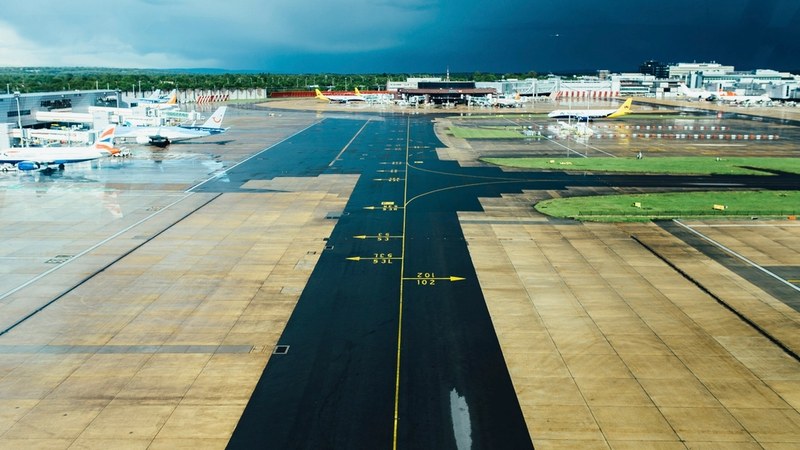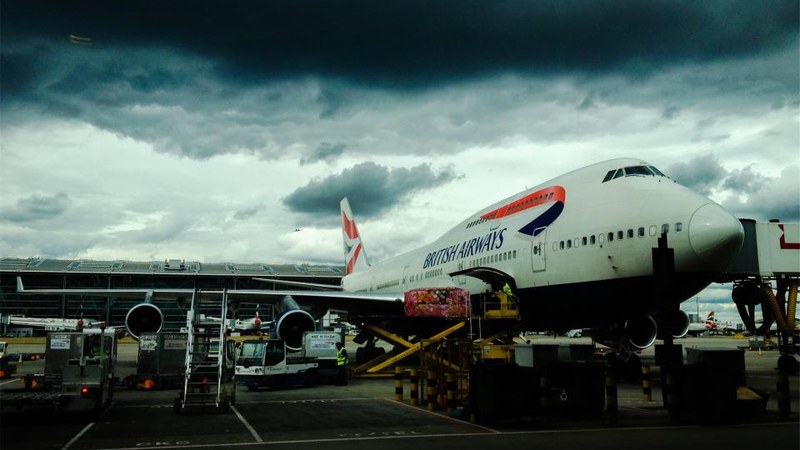
A fast-moving storm system on November 10, 2026 brought low clouds, gusty winds, rain, and embedded thunderstorms to nine major US airports spanning the Pacific Northwest, Upper Midwest, and Northeast. These conditions lowered ceilings and visibility below visual-flight minima and created crosswind challenges, triggering FAA ground delay programs and arrival rate caps that reduced safe aircraft spacing and flow efficiency.
Ground Delay Programs Active at Major Hubs
The Federal Aviation Administration implemented ground delay programs at Seattle–Tacoma International Airport, New York LaGuardia Airport, and Boston Logan Airport due to deteriorated flight conditions. Seattle–Tacoma faced low ceilings and visibility reductions during morning hours, while New York LaGuardia contended
with gusty winds and showers causing slow arrival flows. Boston Logan operated ground delays and knock-on restrictions that further slowed arrivals. Additional busy East Coast airports also experienced delayed arrivals and arrival flow slowdowns.
Wide Geographic Impact and Radar-Tracked Storm Bands
The storm system’s band stretched from the Pacific Northwest through the Upper Midwest to the Northeast, impacting routing across major air corridors. Radar tracking showed persistent rain bands over Midwestern states, including Chicago and Detroit airports, forcing holding patterns and reroutes that reduced arrival capacities. These impacts created rolling constraints on main air corridors connecting the East and West Coasts.
Cascading Delays Affect Nationwide Flights
Flight restrictions at the nine affected
airports caused propagation of delays to secondary airports and smaller cities due to interlinked connection banks operated by major carriers. This resulted in large passenger impacts even at airports not directly affected by weather. By early afternoon Eastern time, weather-related flight delays nationwide reached into the thousands, compounded by late arrivals and limited recovery capacity.
Weather and Airspace Constraints Drive Increasing Delays
FAA data from 2024 show that ground stops at the 30 largest airports rose nearly 20% year-over-year, driven by intensified convective weather and increasingly crowded airspace. Weather and national airspace system issues accounted for close to 10% of arrival delay minutes in 2024. Staffing constraints
in air traffic control and ground operations reduce the ability to recover schedules promptly, prolonging disruption after storms.
Passenger Advice and Industry Response
Passengers traveling through the affected airports on November 10 are advised to build in extra connection times and prefer earlier departures to avoid risks from delays. Major US airlines monitor conditions at affected hubs and base waiver policies on evolving weather forecasts. Travelers facing cancellations or long delays should consult their airline’s contract of carriage and applicable federal regulations for assistance. Residual weather impacts are expected to affect early operations on November 11 as the storm system moves eastward into the Atlantic.