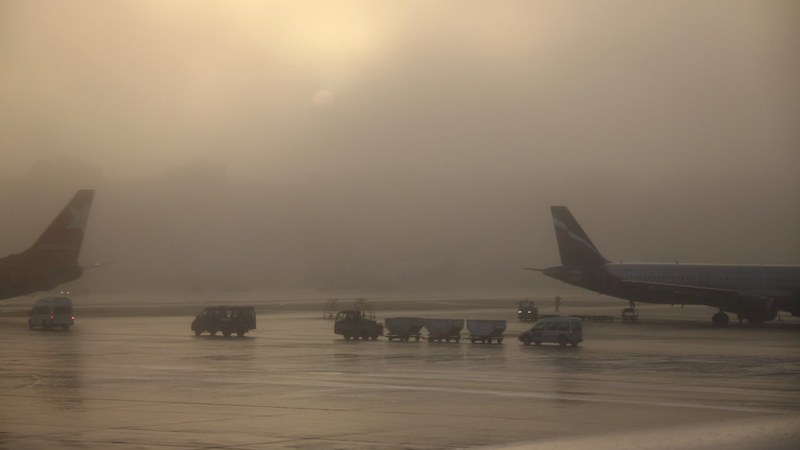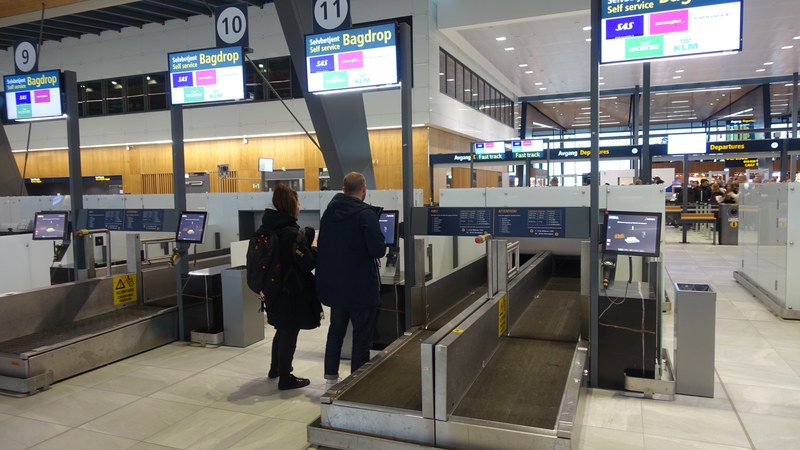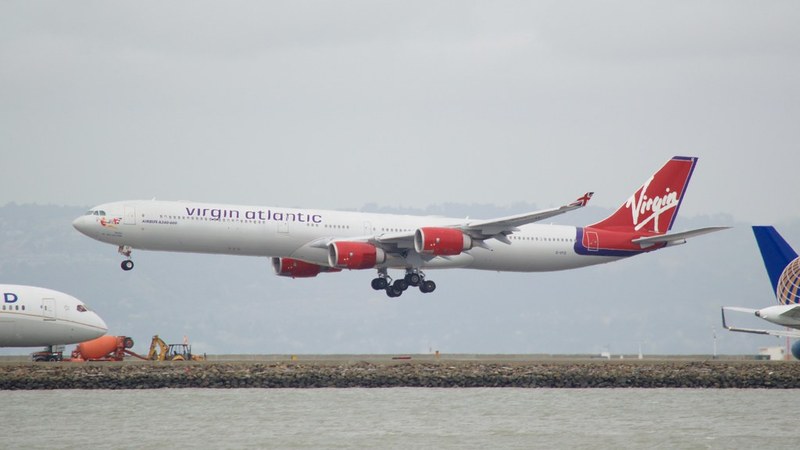
On November 9, 2026, thick fog over London led to the cancellation of seven flights from Heathrow Airport and three flights from London City Airport by 6:30am. A yellow weather warning issued by the Met Office was active for London and most of South East England until 11am, with visibility reduced to 50 metres or less, affecting airport operations.
Meteorological Conditions Behind the Fog
Met Office operational meteorologist Niamh Murray stated that autumn and winter conditions produced the “perfect recipe” for fog formation. With longer nights, temperatures fell close to or below zero degrees Celsius, allowing air to become saturated. Light winds, clear skies, and
long cooling periods contributed to dense fog in London and South East England. Murray described these conditions as allowing a longer period of cooling and temperatures near saturation, causing fog to persist into the morning.
Travel Disruptions on Air and Road
The fog caused significant travel disruption beyond flight cancellations. The M20 motorway in Kent was shut both ways between junctions 8 and 9 near Maidstone for nearly 12 hours following a pile-up involving more than 30 vehicles in foggy conditions. The crash seriously injured two people and forced closure of an important route. Flight cancellations at Heathrow and London City airports contributed to delays for
passengers on the morning of November 9.
Safety Warnings During Foggy Conditions
AA president Edmund King advised motorists to adapt their speed and leave more room between vehicles during fog. He warned against relying solely on the rear lights of the car ahead, saying it creates a false sense of security and can reduce reaction time if the vehicle stops suddenly. King emphasized there is “no prize for arriving a few minutes early” and recommended giving extra travel time and driving to what one can see ahead.