At least 18 passenger flights were disrupted across nine European countries on Friday, November 6, 2026, due to bomb threat alerts. The security incidents caused delays, evacuations, and military fighter jet escorts but no explosives were found following thorough inspections.
The affected countries included Bulgaria, Cyprus, Czechia, France, Hungary, Italy, Portugal, Romania, and the United Kingdom. These disruptions followed earlier threats on November 3 and 5, which impacted at least 35 flights across Europe.
Flight Routes and Airlines Affected
Prague airport experienced the highest concentration of threats, with nine flights targeted. A spokesperson, Denisa Hejtmánková, confirmed arrivals from Denmark, Spain, and Britain as well as
departures to the Netherlands, Cyprus, Romania, Italy, and Britain were involved.
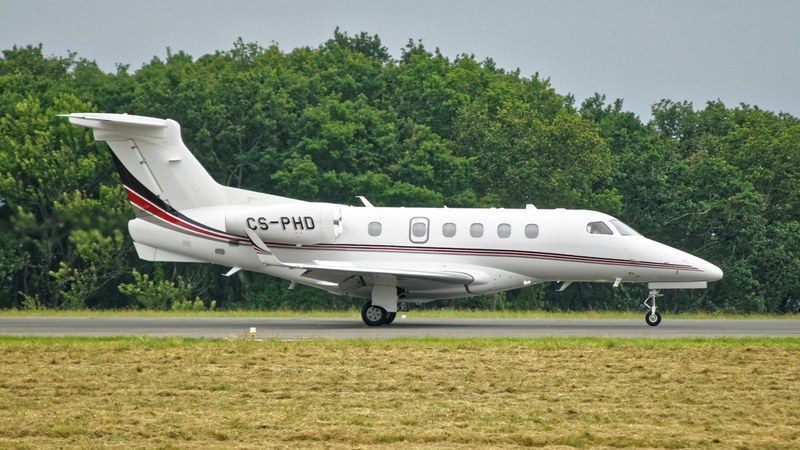
A Ryanair flight traveling from Lisbon to Rome received a bomb threat. Meanwhile, a Wizz Air flight from Prague to Rome was diverted to Venice following a threat, where passengers were evacuated. Security searches found no explosives and airport operations resumed after inspections.
French authorities reported four bomb threats against aircraft flying over French territory. The planes landed safely at Paris-Orly Airport where bomb disposal teams conducted inspections under the oversight of the French prime minister’s office.
Security Measures and Investigations
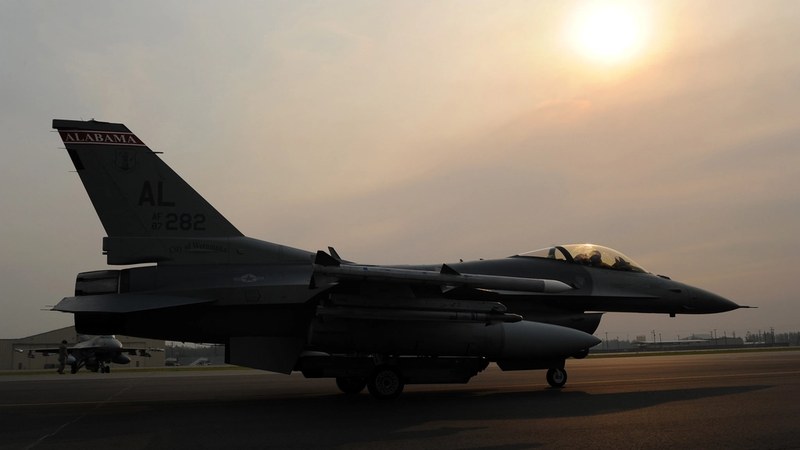
Hungary’s Defense Minister Romulusz Ruszin-Szendi confirmed that three civilian aircraft were escorted
by Hungarian fighter jets within approximately one hour. These flights included services from Brussels to Sofia and flights from Prague to Cyprus and Romania.
In Denmark, police investigated bomb threats at Copenhagen Airport for a second consecutive day. The airport continued normal operations with assessments concluding no immediate danger to passengers or staff.
All affected flights landed safely but operations were temporarily halted during security inspections. Eurocontrol recorded 26,709 scheduled flights across Europe on the same day, meaning the disrupted flights represented roughly 0.0674% of total European air traffic.
Media Evacuations and Broadcast Interruptions
Security alerts also extended to European media organizations. Ireland’s public broadcaster
RTÉ evacuated its Dublin headquarters, interrupting live programming and switching to prerecorded material.
The Irish Independent and radio stations NewstalkFM and TodayFM in Dublin also issued evacuation advisories. In the UK, broadcaster Sky received a security threat but continued broadcasting while notifying authorities.
Irish police, An Garda Síochána, confirmed investigations into threats targeting media organizations across Ireland and Europe. No verified connection between aviation and media threats has been established.
Official Responses and Security Context
Irish Prime Minister Micheál Martin called the incidents worrying and noted the ease with which such threats disrupted operations and increased public anxiety. He emphasized the government’s commitment to public
safety and that security agencies across Europe would work to identify those responsible.
Spanish Foreign Minister José Manuel Albares described the threats as part of a recognizable pattern amounting to hybrid aggression and psychological warfare. Italy’s Prime Minister Giorgia Meloni expressed concern about potential broader attacks targeting civilian infrastructure, referencing ongoing investigations into bomb threats alongside recent cyberattacks on supermarket refrigeration systems in seven European countries.
The Russian far-right extremist group Male State, mentioned in previous threats, denied involvement through statements by its founder Vladislav Pozdnyakov.
European security agencies are cooperating to probe these incidents amid increasing concerns over combined
physical and cyber threats, including recent drone incursions affecting civilian infrastructure.