Thailand has set a target to generate at least 4 trillion baht ($118 billion) in annual tourism revenue by 2032 under its Fourth National Tourism Development Plan, marking a 48% increase from the projected 2.7 trillion baht revenue in 2025, including domestic tourism. The new strategy emphasizes increasing tourist spending rather than expanding visitor numbers, which have plateaued at about 33 million arrivals.
Tourism Arrivals and Infrastructure Challenges
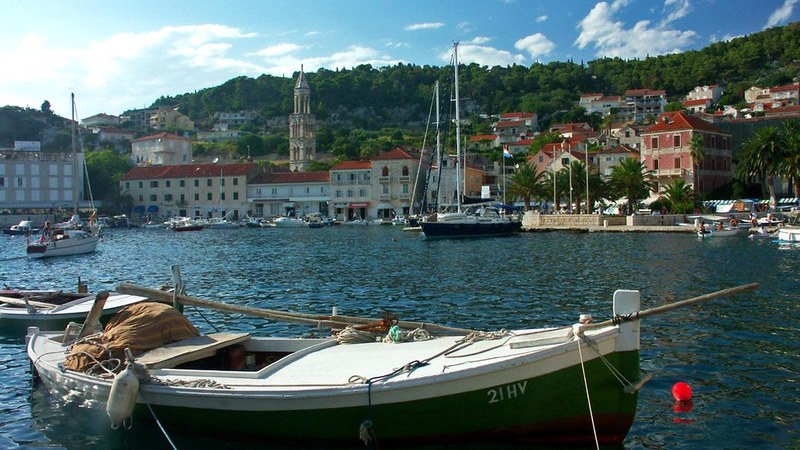
Thailand’s foreign tourist arrivals are expected to fall for a second consecutive year as of 2026. Officials highlighted the country’s shortage of cruise terminals and yacht marinas, sectors with significant revenue potential, as a critical bottleneck. Government
representatives stated, “The country still needs more cruise terminals and yacht marinas to meet demand.” To address these constraints, the Tourism Authority of Thailand (TAT) has been tasked with developing an infrastructure framework aimed at expanding port capacities.
Fourth National Tourism Development Plan’s Focus
The Fourth National Tourism Development Plan targets increasing the economic value of tourism by enhancing service standards and attracting higher-spending tourists. It also prioritizes distributing tourism income more effectively to small businesses and local communities. Despite the emphasis on boosting tourism revenue, the plan does not yet include an allocated budget for the construction of additional terminals, marinas, or guide services essential
for appealing to higher-value tourists.
Strategic Positioning and Global Ranking Goals
Thailand aims to enter the top 30 countries on the World Economic Forum’s Travel & Tourism Development Index by 2032. This ambition coincides with the shift in policy focus from merely increasing arrival numbers to maximizing the economic contribution of each visitor. Rising prices are expected to contribute to revenue growth, though the government acknowledges that higher fees alone do not guarantee attracting higher-value tourists.