Thailand has set a goal to generate at least 4 trillion baht ($118 billion) in annual tourism revenue by 2032, according to its latest national plan. This target represents a 48% increase over the 2.7 trillion baht earned in 2025 from both international and domestic tourism. Despite this revenue goal, tourist arrivals have plateaued at roughly 33 million visitors and are expected to decline for a second consecutive year.
Shift From Arrival Numbers to Revenue Growth
The Fourth National Tourism Development Plan emphasizes boosting tourism spending rather than increasing visitor numbers. It aims to raise the economic value of tourism by enhancing service standards, attracting higher-spending travelers,
and distributing income more broadly to small businesses and local communities. Domestic tourism is included in the revenue targets, highlighting the plan’s comprehensive approach to economic growth.
Infrastructure Plans for Cruise and Yacht Tourism
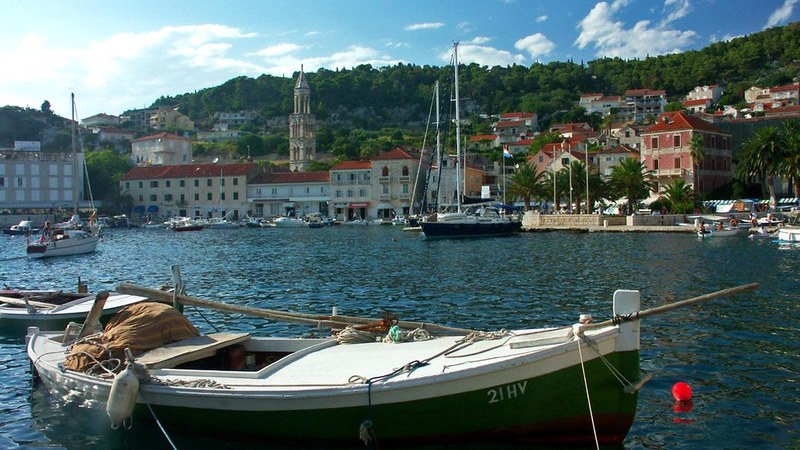
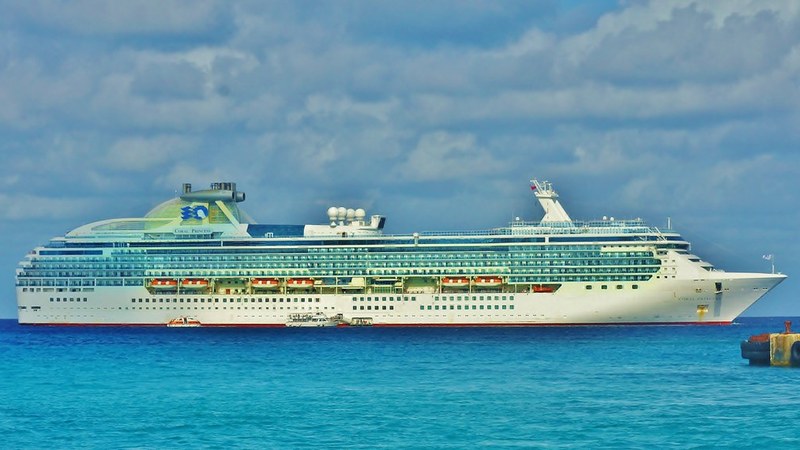
The government has identified cruise and yacht tourism as key segments for generating higher revenue, but noted insufficient infrastructure to meet demand. An official statement said, “The country still needs more cruise terminals and yacht marinas to meet demand.” The Tourism Authority of Thailand (TAT) has been tasked with developing an infrastructure framework to support these sectors, aiming to attract affluent visitors and expand tourism-related economic benefits.
Global Competitiveness in Tourism
Thailand’s plan also targets improving its
rank within the top 30 countries on the World Economic Forum’s Travel & Tourism Development Index by 2032. Achieving this benchmark would reflect progress in elevating tourism’s economic impact and service quality, aligning with the national strategy to prioritize quality and value over visitor volume.