The Cayman Islands welcomed 1,193,794 visitors from January through September 2026, marking a 6.4% increase compared with 1,122,056 visitors during the same period in 2025, according to Streamline.
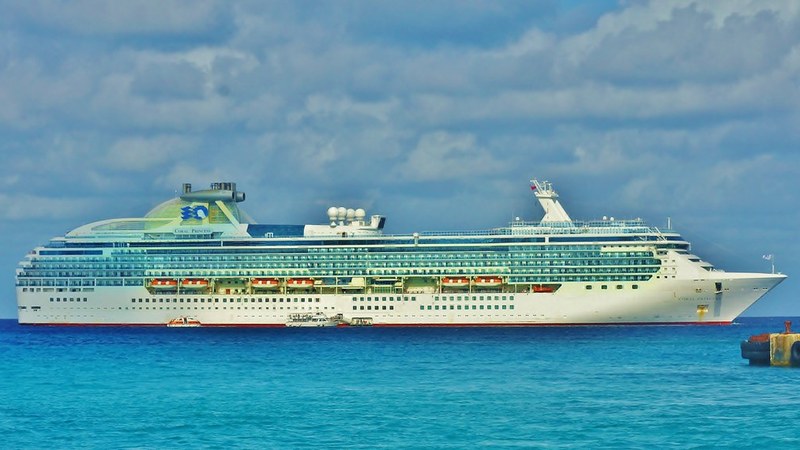
Stayover arrivals reached 376,495 in the first nine months of 2026, up 11.3% from 338,385 in 2025. Cruise passenger numbers also grew by 4.3%, with 817,299 arrivals compared to 783,671 the previous year. September 2026 recorded 15,303 stayover visitors, an 18.4% increase year-over-year, while January 2026 posted 47,047 stayover arrivals, the highest on record for that month.
Major Source Markets
The United States remained the leading source market, accounting for 82% of stayover arrivals with
308,748 visitors from January to September 2026, up from 281,816 in 2025. Canadian stayover visitors grew by 41%, increasing from 22,124 to 31,203, representing 8.3% of total stayover arrivals, up from 6.5%. The United Kingdom ranked third with 10,480 stayover visitors, a 4.7% rise from 10,008 the previous year.
Marketing and Air Connectivity Initiatives
The Cayman Islands Department of Tourism attributed the growth in Canadian arrivals to targeted marketing strategies in secondary Canadian cities and expanded partnerships with regional airlines, improving air connectivity. These efforts have diversified the visitor base and reduced dependence on the US market.
Tourism Recovery and Outlook
The sustained growth reflects the Cayman government’s long-term
tourism strategy to prioritize high-yield stayover visitors over mass cruise arrivals. Stayover tourists generate greater economic impact through spending on hotels, dining, excursions, and retail. With 376,495 stayover arrivals in the first nine months of 2026, the islands are 2.5% below the same period in 2019, when 386,290 stayover visitors arrived. To exceed the 2019 annual stayover record of 502,739, Cayman needs approximately 126,245 additional stayover visitors from October through December 2026.
Visitor Impact and Seasonal Trends
The diversification of source markets contributes to a more stable, year-round arrival pattern, benefiting hospitality staff and small businesses reliant on tourism income. September remains the slowest month
for air arrivals due to seasonal Caribbean travel patterns and hurricane season impacts. Continuing growth through 2027 will require further investment in airlift capabilities and destination marketing to maintain competitiveness within the Caribbean region.