Seven flights and the Israel-bound Crown Iris cruise ship faced bomb threats across Europe on November 3, 2026. Security inspections at multiple airports found no explosives, but disruptions included airport closures, flight diversions, and military escorts.
Flight Routes and Airlines Affected
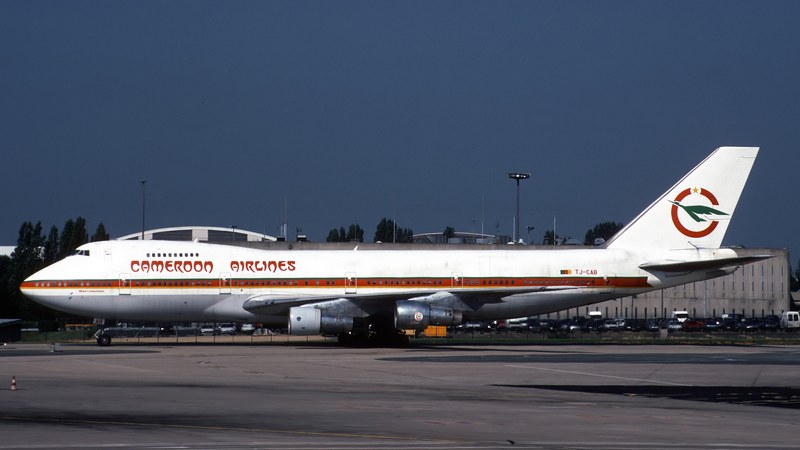
Bomb threats targeted two flights to Warsaw, two to Sofia, two to Rome, and one to Murcia airport in Spain. Ryanair had four flights involved: Manchester to Murcia, Lisbon to Rome, Dublin to Rome, and Dublin to Sofia. The Wizz Air flight from Milan/Bergamo to Sofia carried 176 passengers, while the Ryanair Dublin to Sofia flight transported 186 passengers. The Ryanair Manchester to Murcia
flight arrived at 10:30 a.m. local time. On November 2, a Wizz Air flight from London to Sofia was diverted to Budapest after a bomb threat, escorted by Hungarian Defence Forces’ Gripen fighter jets.
Airport Closures, Flight Diversions, and Military Escorts
Warsaw’s Chopin airport briefly closed for bomb inspections, and a LOT Polish Airlines flight originally destined for Chopin was diverted to Modlin airport, which was temporarily closed and later reopened after no device was found. SAS Scandinavian Airlines flight SK751 from Copenhagen landed safely at Chopin. Ryanair flights from Lisbon and Dublin were searched at Rome-Fiumicino airport; the Dublin flight was escorted by the Italian Air
Force. The Crown Iris cruise ship was inspected near Syros island in Greece following a bomb threat but was cleared to continue its voyage.
Official Responses from Airports and Authorities
Polish airport authorities confirmed no explosives were found after inspections at Warsaw airports. The Bulgarian Ministry of Transport stated flights to Sofia were threatened but landed safely with no explosives detected. Spanish airport operator Aena reported the Murcia airport activated its emergency protocol and resumed normal operations after no device was found on a Ryanair flight from Manchester. Rome Airport cleared security alerts and returned to normal operations. Hungarian Defence Minister Romulusz Ruszin-Szendi confirmed Gripen jets
escorted the Wizz Air flight to Budapest. The London Metropolitan Police noted threats involving four aircraft at Heathrow and warnings at Manchester, with no security problems found. Italian airport operator ADR confirmed Ryanair flights at Rome were searched with no suspicious items discovered.
Expert Analysis on Threat Patterns and Origins
Rhys Jones, Analysis Output Manager at Osprey Flight Solutions, said the absence of a specific target suggests the threats aim to disrupt aviation broadly. Eric Schouten, head of aviation security group Dyami, linked the incidents to a pattern of hybrid attacks attributed by European officials to Russian state actors, although Moscow denies involvement. Schouten identified similarities with
recent hacking attacks on refrigerated food infrastructure across Europe.
Geopolitical Context of Bomb Threats in Europe
The bomb threats occurred amid ongoing accusations by European authorities of sabotage campaigns by Russia and Iran, both of which deny such activities. No claims of responsibility have been made for the November 3 threats. These false threats contribute to a broader pattern of low-cost disruptive tactics targeting European critical infrastructure and transportation networks.