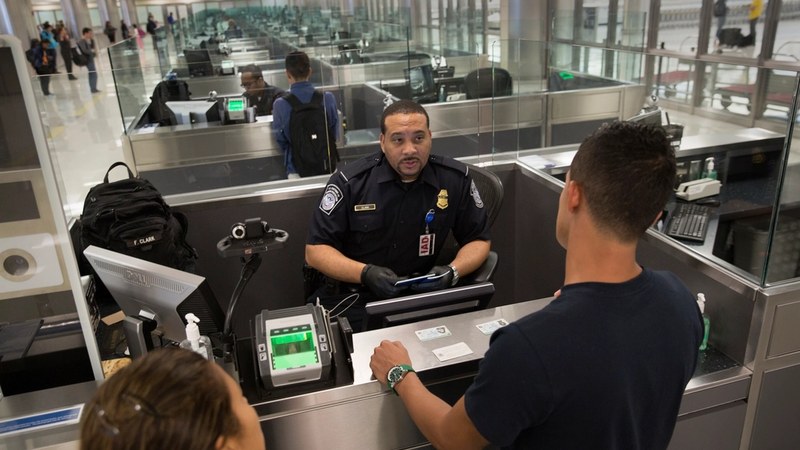
The Ministry of Civil Aviation will conduct international biometric travel trials using the Digi Yatra platform at seven Indian airports from November through December 2026. The airports selected for the trial include Delhi (DEL), Bengaluru (BLR), Hyderabad (HYD), Cochin (COK), Mumbai (BOM), Chennai (MAA), and Amritsar (ATQ).
Eligibility and Participating Airlines
Eligible passengers for the international Digi Yatra trials are Indian nationals who hold valid electronic passports. The trial applies only to selected international flights operated by Air India and IndiGo. Passengers must travel on these flights to use the biometric authentication facilities during the testing phase.
Digital Identity Registration Process
Passengers must register their digital identity through
the Digi Yatra mobile application before using the trial. The registration involves scanning the electronic passport’s Machine Readable Zone (MRZ), using Near Field Communication (NFC) technology to read the embedded chip, and completing biometric verification via a selfie. After successful validation, a verifiable credential is created and stored digitally on the passenger’s smartphone within the Digi Yatra wallet.
Airport Touchpoints and IndiGo Boarding Procedure
Digi Yatra biometric verification will operate at three designated airport touchpoints, contingent on infrastructure availability at each site. These touchpoints include check-in counters, Security Hold Areas, and boarding gates. IndiGo passengers can upload their boarding passes to the Digi Yatra app post
airline document verification, enabling biometric face authentication at security and boarding checkpoints during international departures.
Complementing Existing Travel Documentation
The Digi Yatra international biometric system does not replace physical travel documentation. Passengers are required to carry passports, boarding passes, and comply with all mandatory airline and immigration procedures. The biometric verification functions as an additional digital credential to simplify identification processes at participating airport locations without bypassing mandatory checks.
Trial Feedback and Ministry Plans
The Ministry of Civil Aviation will collect passenger feedback during the November-December 2026 trials to assess system performance and passenger experience. This evaluation will inform preparations for a wider international rollout of Digi Yatra’s biometric
services planned for 2027. The ministry emphasizes data privacy, passenger consent, and security throughout the trial period.
International Framework Interoperability
The Digi Yatra Foundation intends to explore interoperability with international aviation identity standards, specifically the International Air Transport Association’s One ID and the International Civil Aviation Organization’s Public Key Directory (PKD). Integration with these frameworks aims to enhance biometric verification reliability and enable a connected digital identity ecosystem for cross-border air travel.
Industry Perspectives on Digi Yatra
IndiGo’s Chief Digital and Information Officer acknowledges technology as a critical factor for improving passenger experience and operational efficiency. IndiGo supports implementing biometric authentication at multiple airport points to provide a
consistent and secure journey. The Digi Yatra Foundation recognizes the digital identity platform’s role in streamlining domestic travel and views international trials as a key step in extending these benefits to international passengers.
Current Usage and Expansion Plans
The Digi Yatra platform currently supports more than 26.5 million users and has facilitated over 110 million domestic passenger journeys across 39 airports. The Government of India plans to expand the program to include 25 additional domestic airports by 2027, creating a broader network for biometric identity verification in air travel.
Context within India’s Aviation Technology Strategy
Digi Yatra is a core element of the Indian government’s Digital India initiative, aimed at enhancing
air travel efficiency through biometric and digital identity technologies. Extending biometric processing from domestic to international flights reflects an effort to integrate innovations that improve passenger verification while maintaining compliance with established travel documentation and immigration requirements.