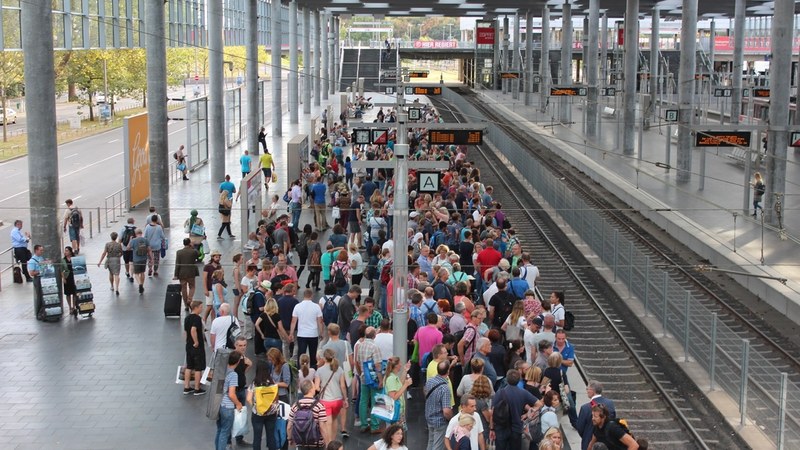
Dense and freezing fog on the morning of November 2, 2026, at Edmonton International Airport caused widespread disruption of flight operations. Poor visibility levels persisted from late November 1 through the early hours of November 2, with temperatures remaining below freezing and light winds preventing fog dissipation.
Flight Cancellations and Delays on Domestic and Transborder Routes
The fog affected flights across both domestic and transborder routes. Several overnight arrivals from leisure destinations including Cancun, Puerto Vallarta, Las Vegas, and Phoenix were cancelled by Canadian carriers. Domestic flights connecting Edmonton with Calgary, Vancouver, Yellowknife, and Fort McMurray scheduled late on November 1 were also cancelled. Evening services from British Columbia
and Alberta regional centers faced delays. Additionally, a Houston-bound service arriving late on November 1 experienced significant delays attributed to the fog conditions at Edmonton.
Persistence of Fog and Schedule Normalization
Freezing fog and dense visibility restrictions remained at Edmonton International Airport until early November 2. By mid-morning, flight status reports indicated a gradual return to normal schedules, with most daytime arrivals and departures from Toronto, Calgary, and Vancouver proceeding on time. However, a limited number of morning flights from Vancouver continued to be cancelled at that time.
Operational Challenges from Freezing Fog
Aviation weather feeds classified the conditions as freezing fog, which carries risks both of low visibility and ice
accumulation on aircraft and airport infrastructure. These hazards imposed stricter operational limits on take-offs and landings. Airlines and air traffic control adjusted operations, holding flights on the ground, directing aircraft into holding patterns, or diverting flights unable to meet minimum visibility thresholds. Ground handling activities slowed due to the reduced visibility, extending turnaround times.
Impact on Travelers and Ground Access
Passengers encountered delays, cancellations, and schedule disruptions during the affected period. Ground access to Edmonton International Airport was slower than usual, with fog reducing visibility on highways and rural roads south of Edmonton. Travelers needed to accommodate potential rebooking and delayed connections due to the weather-related
disruptions.
Weather Forecast and Seasonal Context
Weather services continued to report the risk of patchy and freezing fog in the Edmonton area beyond the morning of November 2, with temperatures remaining low. This fog event is consistent with a seasonal pattern in central Alberta during late autumn, where temperature inversions trap moisture near the surface, leading to frequent dense fog episodes. Public advisories emphasized the importance of monitoring flight status as conditions evolve.
Airline Operational Priorities During Fog Events
Canadian carriers prioritize maintaining service on major trunk routes during fog disruptions, often cancelling point-to-point and seasonal leisure flights. Modern aircraft equipped for low-visibility operations can still operate within safety thresholds, but
minimum limits on visibility must be respected. Airlines adjust schedules based on aircraft certification and crew qualifications, resulting in selective cancellations and hold patterns. Rebooking and accommodation policies vary among carriers and ticket types.
Morning Disruptions at Edmonton International Airport
The dense freezing fog at Edmonton International Airport on November 2, 2026, resulted in significant flight delays and cancellations affecting both domestic and transborder passengers. The low visibility and ice risks continued to challenge operations through the morning, with schedules gradually stabilizing after the fog began to lift mid-morning. Some residual cancellations, particularly on routes to and from Vancouver, persisted as affected aircraft and crews repositioned.