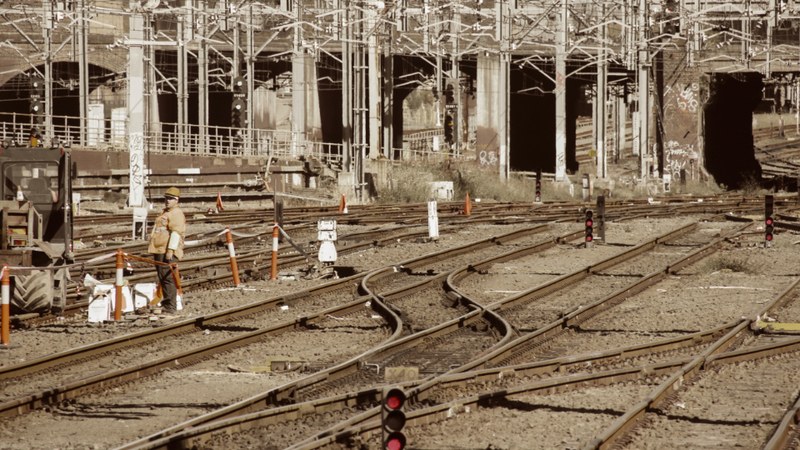
Renfe has announced a train drivers strike scheduled for October 29, 2026. The Spanish Train Drivers’ Union, Semaf, leads the strike, which will maintain minimum service levels but is expected to cause delays and possible interruptions on Valencia commuter rail routes.
Strike Impact and Service Data from October 28
Data from the previous strike day on October 28 shows that 6.3% of Rodalies de Catalunya trains were cancelled until 5 PM, with 16 services cancelled out of 253 planned. During peak hours, about two-thirds of trains operated, while outside peak times, minimum services ran at 33%. Nationally, the strike affected 12.5% of commercial service trains, including AVE, Avlo,
and Intercity routes.
Spain-wide strike turnout during the October 28 morning shift reached 15.16%. Cercanías Madrid faced the heaviest impact with 48% of train services suspended. Rodalies de Catalunya recorded a 4.61% cancellation rate of scheduled trains. Overall, 17.04% of Rodalies, Avant, and Medium Distance services were suppressed, with 28.64% of those services failing to depart.
Passenger Effects and Alternative Transport
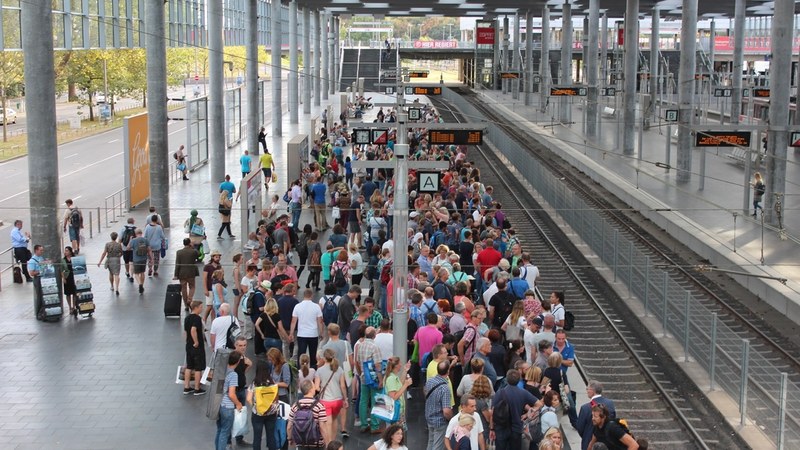
Passenger volume on the Rodalies network decreased by 25% early on the October 28 strike day. Coaches and buses departing Vallès Oriental, Occidental, and Maresme regions operated at full capacity, filling gaps left by reduced train service. Some journeys, including Avant trains near Lleida,
were replaced by road transport due to driver absences.
Passengers expressed understanding of the strike given the recent Toledo train accident on October 27. At stations like Girona and Vilanova i la Geltrú, users acknowledged the necessity of the strike despite service disruptions. One passenger, Anna from Girona, said, “I had never thought about an accident when I take the train.” Another passenger noted the strike’s impact, but emphasized that the October 27 accident was of greater concern.
Union Demands and Context Following Toledo Accident
The Spanish Train Drivers’ Union, Semaf, initiated the strike in response to what it calls an “administrative blockade” in agreements to enhance
railway safety. The union demands include the establishment of binding protocols for meteorological emergencies, clearer communication regulations during risk situations, hiring additional train drivers, improving the reliability of railway equipment, and respecting care protocols for professionals involved in accidents.
These demands follow the fatal train accident near Toledo on October 27, 2026, which has influenced the union’s decision to organize strikes, including upcoming walkouts on November 10 and 12.
Official Statements from Renfe and Rodalies de Catalunya
Renfe estimates that 6.3% of Rodalies trains were cancelled until 5 PM on October 28 as part of the strike. Òscar Playà, Director of Rodalies de Catalunya, reported that the day
proceeded with “practically absolute normality” despite the strike and highlighted adherence to minimum service requirements.
Playà noted the morning rush hour, regarded as the most challenging mobility period, was handled without incidents. He added, “We have seen a clear response from the public and there are fewer passengers,” reflecting the public’s reaction to the strike and recent accident.
Meanwhile, Ouigo preemptively cancelled all its trains scheduled for October 30 and November 2 to avoid added disruption caused by the strike and the Toledo accident.