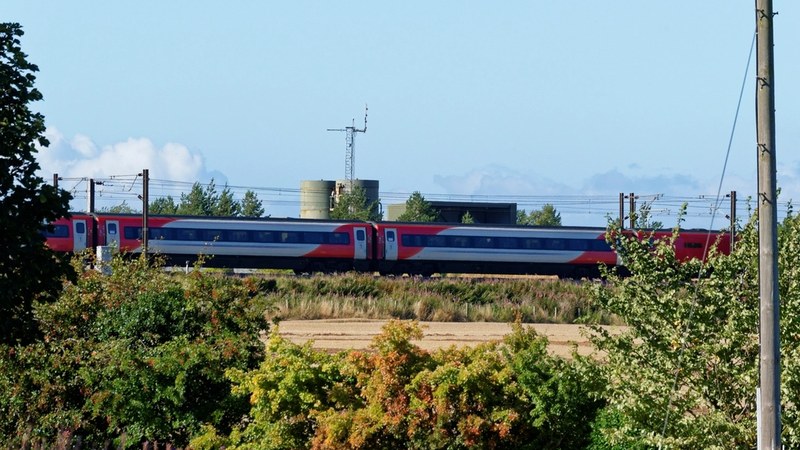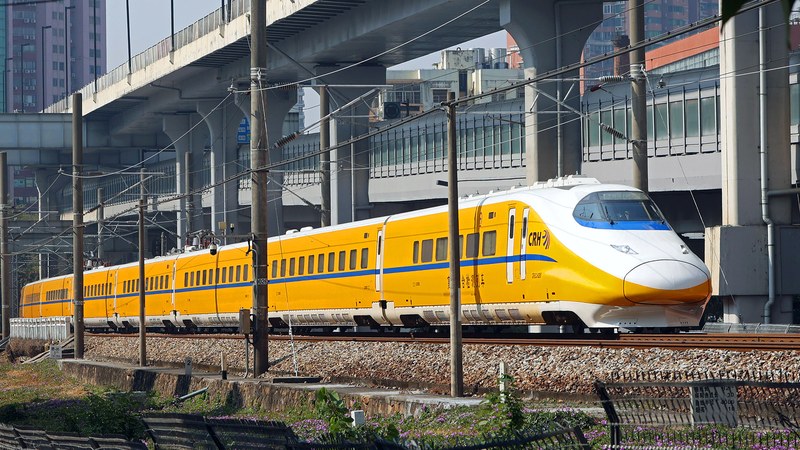
On October 28, 2026, a high-speed train collision near Urda in Toledo province, Spain, resulted in at least 68 fatalities and around 80 injuries, with about 50 seriously and 15 critically hurt. The crash occurred between the towns of Mora and Orgaz along the high-speed rail line connecting Madrid and Seville, when a Renfe-operated AVE train struck the rear of a stationary Iryo train, causing two carriages of the Iryo train to derailed and fall down an embankment.
Rescue efforts and passenger details
More than 200 members of the Military Emergencies Unit are involved in rescue operations, focusing on extracting survivors and recovering bodies from
the two damaged Iryo carriages. Emiliano Garcia-Page, head of Castilla-La Mancha regional government, reported the Renfe train was carrying 397 passengers, while 147 were on the Iryo train. Emergency responders include teams sent by the Madrid Mayor’s office, comprised of medical personnel and firefighters.
Signaling failure and operational decisions
Spanish Transport Minister Oscar Puente explained that the LZB signaling control system failed on a 63 km stretch early on October 28 around 8:30 a.m. local time, which affected six trains. Control of train traffic was transferred to the Atocha control post in Madrid, where the decision was made to allow the Renfe train to resume
travel despite the signaling failure. Puente described this decision as “inexplicable.” This failure and control decision preceded the collision.
Service suspension and travel disruptions
Following the crash, ADIF suspended all high-speed rail services on the Madrid-Andalusia corridor, affecting trains to Ciudad Real, Córdoba, Seville, and other southern cities. Ouigo cancelled all Madrid-Andalusia trains for the crash day. Renfe is offering free changes and cancellations for affected journeys. The UK Foreign Office issued travel advice warning of significant rail disruptions and issued consular support information. No timeline for service resumption has been announced.
Government reactions and investigation
Prime Minister Pedro Sanchez declared three days of official mourning from October 29
to 31. He said, “We will get to the bottom of this, and if there was negligence, it will be revealed, and if there were system failures, there will be a strong response.” Sanchez described the accident as Spain’s second major train crash in 2026, calling two such events in a year “unacceptable,” and noted the crashes appear unrelated. The Civil Guard dispatched a disaster investigation team to the crash scene.
European Commission President Ursula von der Leyen expressed devastation and condolences to victims’ families, while French President Emmanuel Macron offered solidarity and sympathy to those affected and rescue workers.
Madrid Mayor Jose Luis Martinez-Almeida confirmed deployment of emergency medical teams and firefighters to assist at the site. Three days of official mourning follow the accident, the worst railway disaster in Spain since 2013.