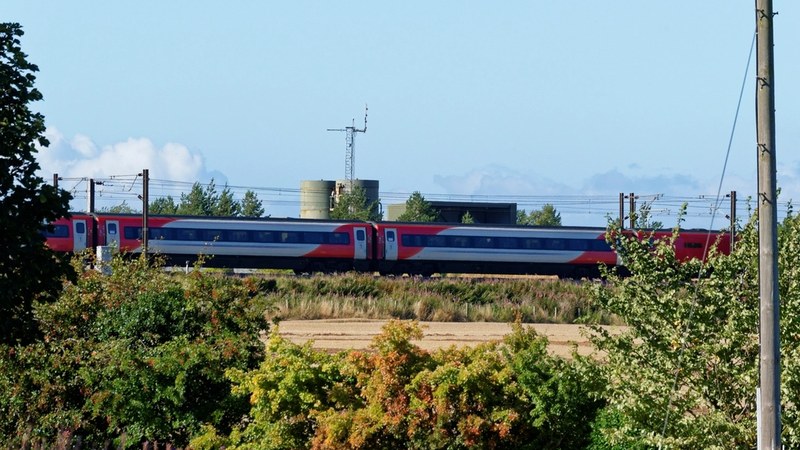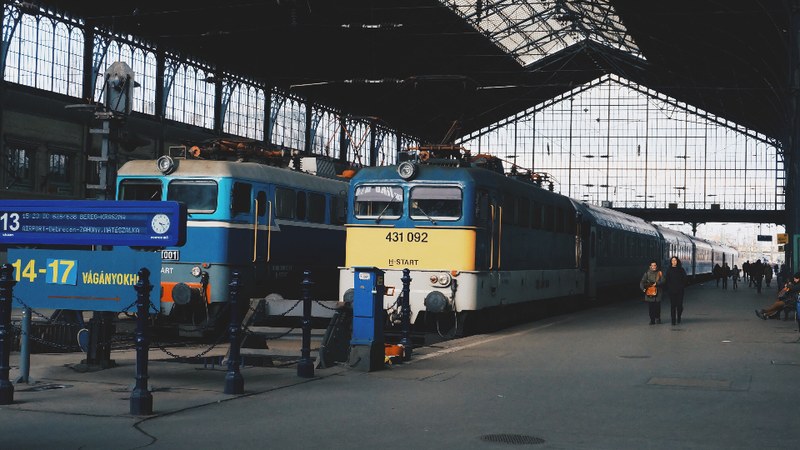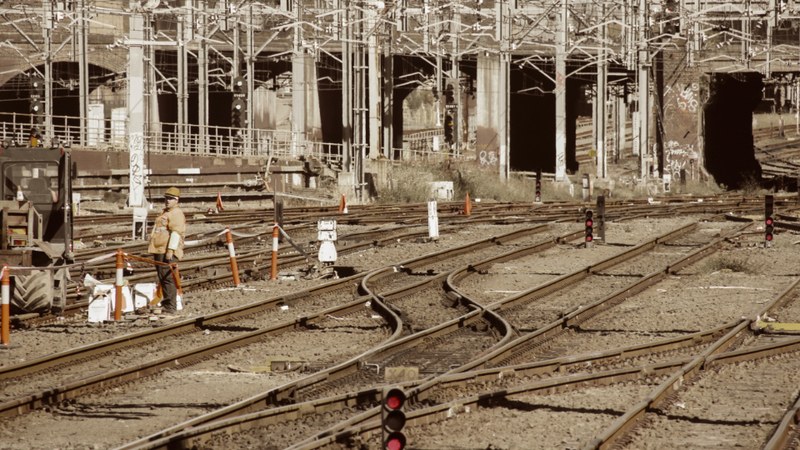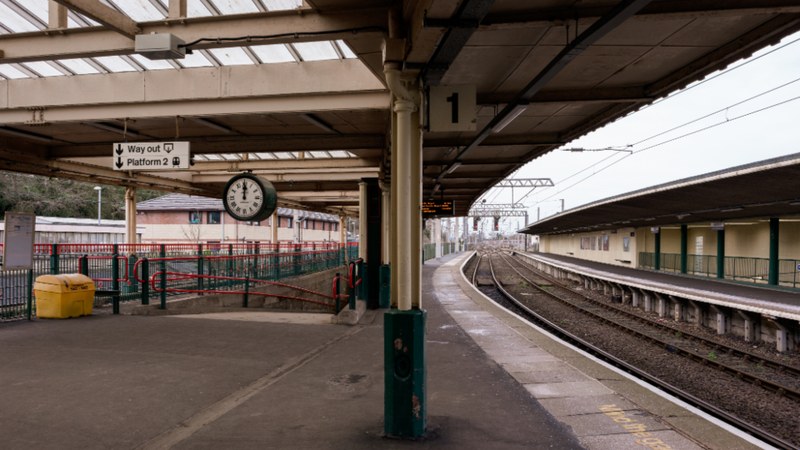
Renfe train drivers held a strike on October 29, 2026, from 00:01 to 23:59, resulting in service reductions across Spain’s rail network. Ouigo cancelled all its trains scheduled for the following Friday, October 30, and Monday, November 2, to avoid further operational disruptions related to the strike.
Renfe estimated that 6.3% of Rodalies trains were cancelled until 5:00 PM on the strike day, equivalent to 16 out of 253 planned services. During peak hours, 66% of Rodalies trains operated, while minimum services at 33% coverage were maintained for the rest of the day. By noon, national strike turnout reached 15.16%
for the morning shift.
Regional and Service-specific Cancellation Rates
Commercial services, including AVE, Avlo, Alvia, Euromed, and Intercity, experienced 12.5% cancellations by midday, with 6 out of 48 trains cancelled. Rodalies, Avant, and Medium Distance lines saw 17.04% of minimum services suppressed and 28.64% of scheduled trains with no departure by noon. Cercanías Madrid was the most affected area, with 48% of its services suspended. In comparison, Rodalia de Catalunya maintained high service levels, with only 4.61% of trains cancelled.
Passenger Experiences in Catalonia and Madrid
Passenger numbers dropped substantially, with Rodalies network recording a 25% decrease in early hours compared to typical days. At Lleida, an Avant train scheduled for
8:10 AM had to use road transport due to driver absence. Passengers at Vilanova i la Geltrú observed cancellations and delays but accepted the strike, given its timing after the Toledo accident. A passenger named Laia, arriving from Germany, noted delays and cancellations on AVE trains, expressing apprehension about traveling by train. Anna, a Girona resident, remarked the local Sant Narcís holiday reduced station crowding.
Official Statements and Union Demands
Òscar Playà, Rodalies de Catalunya director, described the strike day as proceeding with “practically absolute normality” and emphasized adherence to minimum service guarantees despite the strike’s impact. He attributed the manageable passenger flow partly to
public awareness following strike announcements. The Semaf union initiated the strike protesting an “administrative blockade” in implementing railway safety improvements. Their demands include binding safety protocols for meteorological emergencies, enhanced communication during risk situations, hiring additional train drivers, and respecting accident care protocols for railway professionals.
Ongoing and Future Strike Actions and Travel Impact
Following the October 29 strike, Semaf scheduled additional walkouts on November 10 and 12, framing these around a general strike on November 11 called by major unions. Renfe maintained minimum service levels to limit disruptions, but passengers faced delays, cancellations, and at times had to seek alternative transport. Ouigo’s preemptive cancellations for October 30
and November 2 aimed to reduce disturbance during the extended strike period.