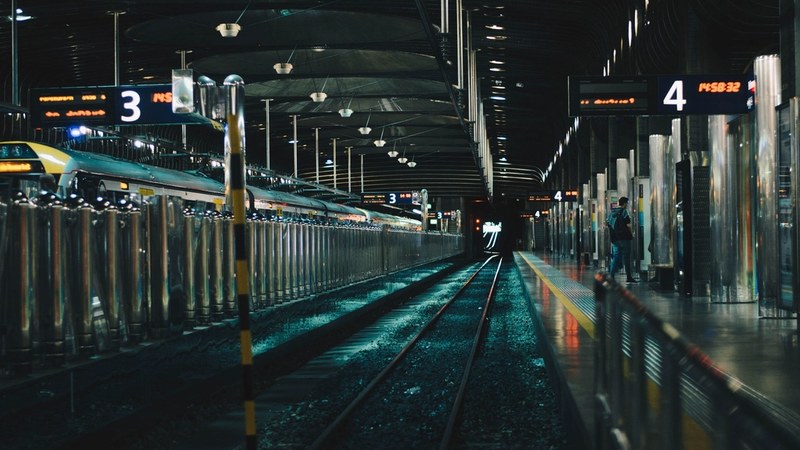
A strike by Renfe train drivers called by the Spanish Train Drivers’ Union (Semaf) took place throughout October 29, 2026, affecting train services across Spain. The action protested an administrative blockade on safety agreement implementations within the railway sector. In anticipation of ongoing disruption, Ouigo cancelled all train services planned for October 30 and November 2.
Train Service Cancellations and Regional Impact
Renfe maintained minimum service levels during the strike, operating 66% of scheduled trains during peak hours and 33% during off-peak times on October 29. In the Rodalies commuter rail network of Catalonia, 6.3% of trains were cancelled by 5 p.m., equating to 16 out
of 253 planned services. Rodalia de Catalunya reported only 4.61% of its scheduled trains were scrapped. By contrast, Cercanías Madrid experienced the highest disruption, suspending 48% of its train services. High-speed and long-distance services, including AVE, Avlo, Alvia, Euromed, and Intercity routes, saw 12.5% of trains cancelled during the morning shift. Rodalies, Avant, and Medium Distance categories witnessed 17.04% suppression of minimum services and 28.64% of scheduled trains failing to depart.
Official Responses and Union Demands
Óscar Playà, director of Rodalies de Catalunya, affirmed that the strike day proceeded with “practically absolute normality,” emphasizing that minimum service obligations were met. Playà noted a clear public
reaction marked by a 25% drop in early morning Rodalies passengers, though he cautioned that reduced train numbers meant occupancy levels remained stable. Semaf described the strike as a reaction to delays in enacting protocols designed to improve railway safety. The union demands include binding safety protocols for meteorological emergencies, clearer communications during risk scenarios, hiring additional train drivers, and guaranteeing protocols for professionals involved in accidents.
Passenger Impact and Reactions Following Toledo Accident
The strike coincided with increased tensions following a fatal train accident near Toledo the previous day. Passenger numbers on Rodalies trains fell by 25% early on the strike day compared to a normal
day. Travelers faced cancellations and extended waits, prompting many to switch to coach buses, which were fully occupied in several regions, including Vallès Oriental, Vallès Occidental, and Maresme. Passengers at stations like Vilanova i la Geltrú and Lleida recounted cancellations and long delays. Some high-speed train users could not be rebooked after cancellations. Comments from passengers reflected apprehension about train safety; Laia, waiting to board an AVE train to Madrid, said, “If I could, I would take a coach.” Anna, at Girona station, remarked, “I had never thought about an accident when I take the train.” Other passengers acknowledged the
strike’s impact but expressed greater concern over the Toledo accident’s effect on safety perceptions.
Future Strike Actions Amid Ongoing Labor Disputes
Following the strike on October 29, Semaf announced two additional strike days at Renfe scheduled for November 10 and November 12. These dates surround a general strike planned by major unions for November 11. The union called this series of walkouts a response to the perceived administrative obstruction to implementing railway safety reforms. The labor unrest highlights ongoing challenges within Renfe over working conditions and safety protocols that directly affect train operations across Spain.