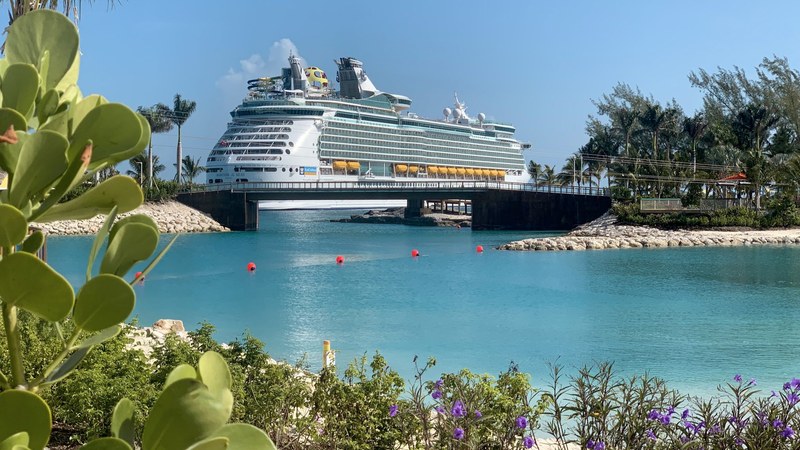
Two Royal Caribbean cruises deviated from their planned tropical stops in October 2026, redirecting passengers to Canadian ports due to severe weather conditions on the U.S. East Coast. The Independence of the Seas, carrying 3,858 passengers, was rerouted last weekend from a five-night Bermuda cruise to Saint John, New Brunswick. Meanwhile, on October 18, a cruise with more than 5,000 passengers originally destined for the Bahamas had its route altered to Halifax, Nova Scotia.
Contractual Authority for Itinerary Changes
Industry experts confirm that cruise lines have broad legal authority to change itineraries for safety reasons, primarily weather-related. Veteran cruise journalist David Yeskel explained that standard
passenger contracts, signed upon ticket purchase, include clauses permitting such changes. “Cruise lines basically have broad authority to alter itineraries… primarily due to weather or other circumstances that put the ship in a safety issue,” Yeskel said. These clauses are common across the cruise industry, limiting passengers’ recourse when reroutes occur.
Passenger Impact and Notification Challenges
Passengers faced significant disruptions from last-minute itinerary revisions. Many were informed hours before embarkation, leaving minimal time to prepare for colder Canadian conditions. Royal Caribbean advised those on rerouted cruises to pack clothing suitable for mid-50s Fahrenheit temperatures. Some passengers, including actress Mikayla Iverson, reported not having the appropriate
attire and being confined aboard the ship during the Canadian port calls. Iverson posted on social media shortly after arriving in Newark that her family’s Bahamas cruise departing in 12 hours was rerouted and they would not be allowed to leave the ship for the week.
Compensation and Company’s Response
Royal Caribbean offered onboard credits to affected passengers, ranging from $100 to $600 per person depending on stateroom category. Passengers on the rerouted Bahamas voyage were also provided with a 50% discount on a future cruise with the line. In communications to travelers, Royal Caribbean expressed appreciation for their flexibility: “We truly appreciate your
understanding and flexibility regarding this unexpected change.” Yeskel described these offers as fair under the circumstances.
Legal Perspectives on Passenger Rights
Maritime attorney Frank Spagnoletti criticized Royal Caribbean for treating passengers akin to “maritime property” rather than paying customers. He encouraged affected passengers to consider legal challenges as contracts enforcing such itinerary changes could be contested. Spagnoletti noted that collective action among hundreds or thousands of passengers could justify pursuing legal recourse. The reroutes followed a strong nor’easter that impacted multiple cruises departing from the New York metropolitan area, affecting schedules and routes along the East Coast.