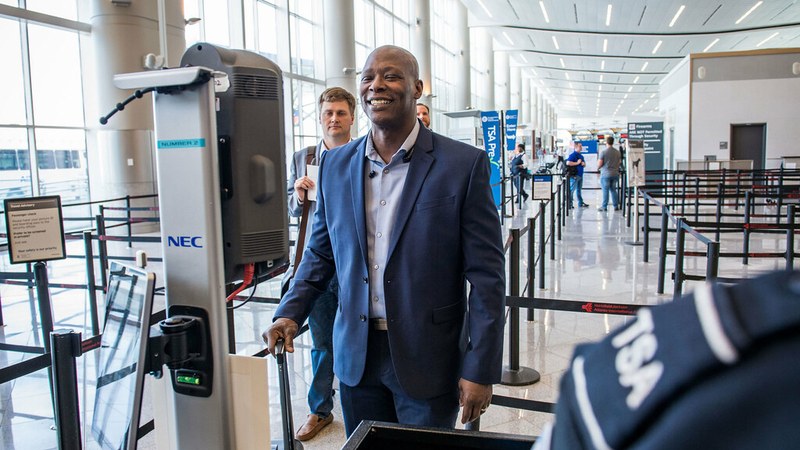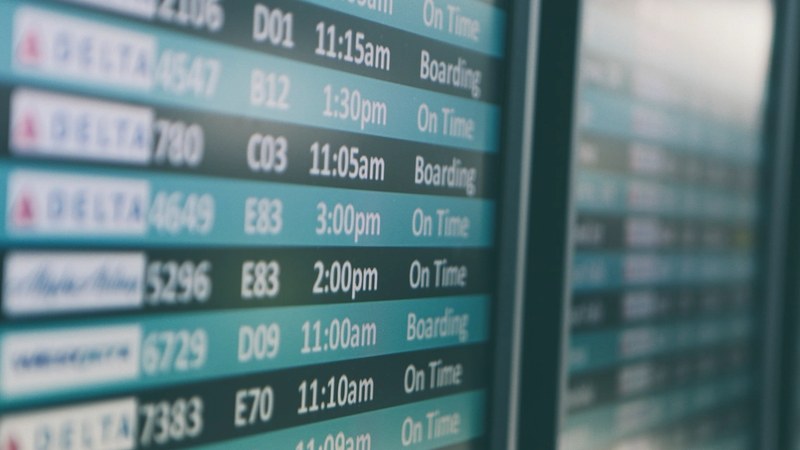
On October 29, 2026, flight operations across multiple U.S. airports faced significant disruptions. FlightAware reported at 10:06 a.m. EST that at least 580 flights were delayed and 53 flights canceled within the United States. Globally, FlightAware recorded more than 8,604 delays and 459 cancellations on the same day.
Low Clouds Impact Austin, San Antonio, Seattle, and Washington Airports
The Federal Aviation Administration identified low cloud conditions as a key factor affecting flights at several airports. The impacted airports included Austin-Bergstrom International Airport (AUS), San Antonio International Airport (SAT), Seattle-Tacoma International Airport (SEA), and the Washington, D.C. area airports—Baltimore/Washington International Thurgood Marshall Airport (BWI), Ronald Reagan Washington National Airport (DCA), and
Washington Dulles International Airport (IAD). These weather conditions contributed to the flight delays and cancellations reported by FlightAware.
Traveler Guidance for Handling Flight Disruptions
Travel experts recommend passengers monitor their flight status regularly via their airline’s official website or mobile app. Travelers are advised to enable notifications for delays, gate changes, and cancellations. Passengers with connecting flights should account for additional time when transiting through major airports. Keeping essential items in carry-on luggage is recommended to facilitate access during extended delays. It is also prudent for travelers to familiarize themselves with their airline’s refund and rebooking policies.
Eryn Gordon Advises Treating Cancellations as Planning Challenges
Eryn Gordon, a TedX speaker focusing on ethical and
responsible travel, emphasized a strategic approach to cancellations. “A cancellation feels like chaos, but the travelers who come out of it best treat a disruption as a planning problem rather than an emergency. Screenshot the rebooking policy before you leave the house,” Gordon stated. She warned against hastily accepting the first available rebooking option, saying, “The trap is thinking speed is everything and grabbing the first seat offered, when that seat can strand you in a connecting airport overnight with your bag on another aircraft.”