Hong Kong International Airport became one of the first two organisations certified under the International Air Transport Association’s (IATA) One ID programme on 28 October 2026. The certification acknowledges the airport’s digital identity and biometric technology meeting global standards for aviation security and passenger processing.
Flight Token Facial Recognition System Usage
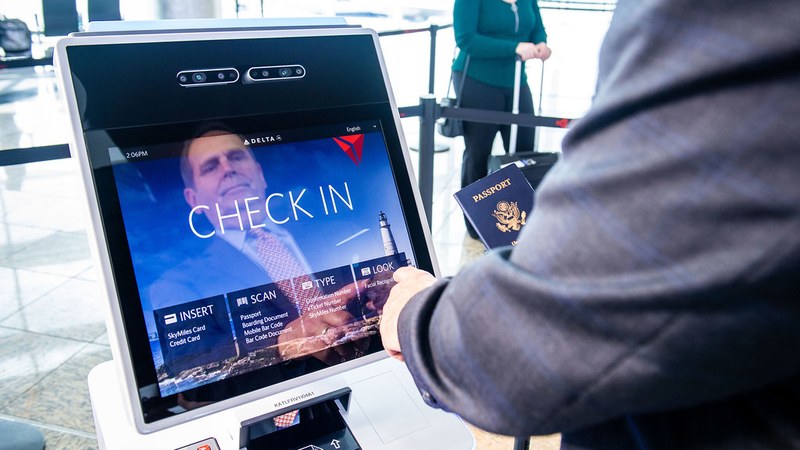
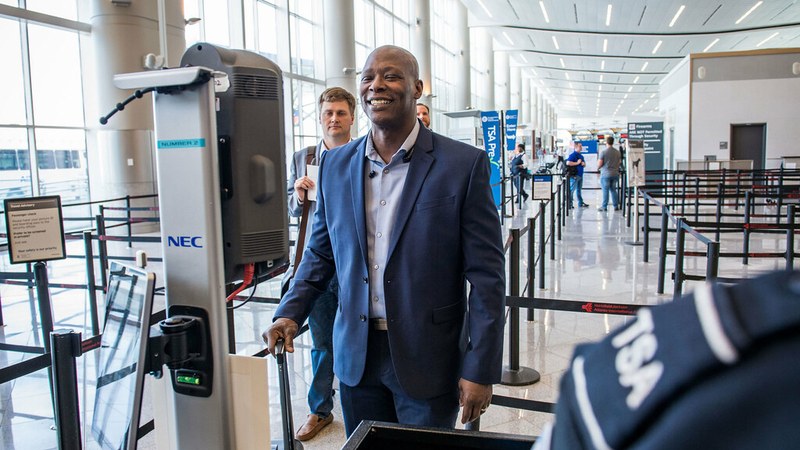
The airport’s Flight Token system, launched in 2021, employs facial recognition technology allowing departing passengers to pass through key checkpoints without repeatedly showing travel documents. More than 80% of all departing passengers at Hong Kong International Airport are eligible to use Flight Token. Since its introduction, over 93 million passengers have utilized the system.
IATA One ID Certification Standards and Partners
The
IATA One ID certification covers three domains: Contactless Travel, Biometric Handling, and Privacy, Consent and Governance. Besides Hong Kong International Airport, Air New Zealand also received certification, specifically for the digitalisation of admissibility, which verifies entry document validity. Air New Zealand trialed this digital identity approach jointly with the Hong Kong airport to reduce the need for physical document checks and queues at border control.
Challenges in Biometric Adoption in Aviation
Nick Careen, IATA’s senior vice-president for operations, safety and security, cited government legislation and data privacy regulations as core obstacles delaying wider facial recognition adoption in the aviation sector. He remarked, “Until governments truly unlock
the legislation and regulations required, not only around data privacy, but also around identification checks and the requirement for that to be done physically … we are going to have a slow adoption rate, unfortunately.” Careen added that varying regulations between countries remain the largest hurdle to achieving interoperable biometric identification systems.
Industry and Expert Perspectives on Certification and Data Privacy
Vivian Cheung Kar-fay, CEO of Airport Authority Hong Kong, stated the certification confirms that the airport’s biometric processes comply with IATA’s global standards, underscoring the authority’s commitment to innovating passenger experience. Francis Fong Po-kiu, honorary president of the Hong Kong Information Technology Federation, acknowledged concerns about biometric data
sharing across borders as “totally natural” given the necessity of border security. Fong noted that the One ID framework uses decentralised digital identity technology with encrypted tokens, minimizing retention of biometric images and thus reducing cybersecurity risks. He affirmed, “IATA’s explanation makes total technical sense,” while warning that AI-assisted hacking remains a potential threat.
IATA One ID Programme’s Global Digital Identity Goals
The One ID programme aims to standardize the use of digital identity and biometric technology to create safer and more streamlined passenger verification. It enables passengers to verify their identity and travel documents digitally before arriving at airports and utilize biometric scans instead of physical documents
at checkpoints. The system requires passenger consent for each journey and organisation involved, with data deleted after a specified retention period. This approach offers greater passenger control and transparency in data sharing, which IATA believes can improve privacy protection compared to current arrangements where airlines share passenger information with governments.