Hong Kong International Airport and Air New Zealand received One ID digital identity certification from the International Air Transport Association (IATA), the organisation announced on October 28, 2026. Hong Kong International Airport was the first airport worldwide to gain this certification, becoming one of the first two entities recognised under IATA’s digital identity programme.
Certification Details and Flight Token System Use
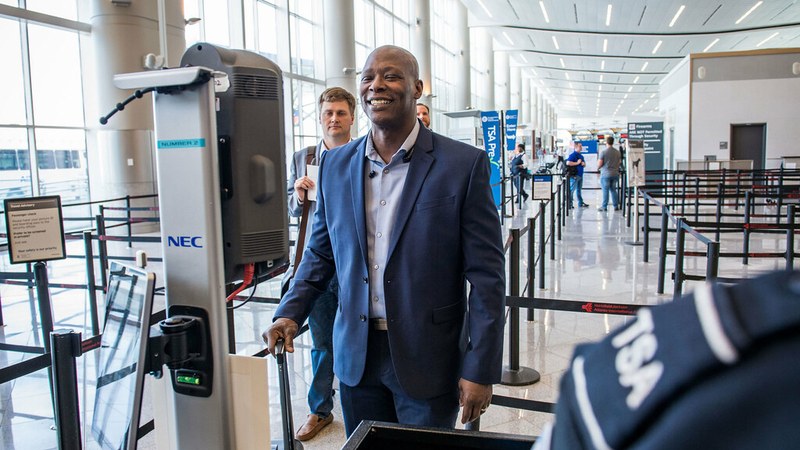
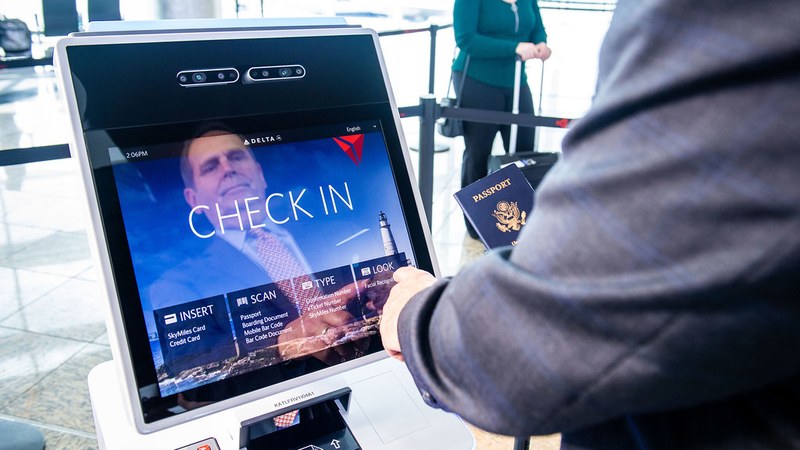
Hong Kong International Airport earned certification across three areas: contactless travel, biometric handling, and privacy, consent and governance. The airport launched its Flight Token system in 2021, which uses facial recognition technology to allow passengers to clear key checkpoints without repeatedly presenting passports or boarding passes.
Over 80 percent of departing passengers at Hong Kong International Airport qualify to use Flight Token, and more than 93 million passengers have utilised the system since its introduction. Air New Zealand also received One ID certification for digitalisation in the admissibility domain and trialled cross-border digital identity use with Hong Kong International Airport.
Official Responses to Certification and Its Impact
Vivian Cheung Kar-fay, CEO of Airport Authority Hong Kong, said the certification verifies that the airport’s digital identity and biometric procedures meet global standards. She added the recognition supports planned expansions of the Flight Token system beyond Hong Kong, working with airlines, airports, and government agencies.
IATA’s senior vice-president for operations, safety and security, Nick Careen, said the certification sets an industry benchmark and reassures passengers and partners about trust in identity verification and data privacy.
Adoption Obstacles Due to Regulation
Careen explained that government regulations and legislation governing data privacy and mandatory physical identification checks are slowing the adoption of digital identity technologies in airports globally. He stated, “Until governments truly unlock the legislation and regulations required, not only around data privacy, but also around identification checks and the requirement for that to be done physically … we are going to have a slow adoption rate, unfortunately.” Differences in national
regulations remain the primary barrier to implementing cross-border biometric identification systems. Concerning geopolitical factors, Careen said if the United States opts not to participate, it would be unfortunate but manageable.
Privacy and Security Features of One ID
Francis Fong Po-kiu, honorary president of the Hong Kong Information Technology Federation, endorsed the technical architecture of One ID, noting that it offers stronger privacy protections than typical online applications. He explained that the system uses decentralized digital identity technology and encrypted tokens, which verify passengers without retaining their original biometric images, lowering the risk of sensitive data breaches. Fong acknowledged that user caution in sharing biometric data across borders
is natural given security expectations at international borders but affirmed that IATA’s framework enhances transparency and control for travellers.
Plans for System Expansion
Hong Kong International Airport intends to extend the reach of its Flight Token system beyond locally departing passengers through partnerships with airlines, airports, and government authorities. This expansion aims to promote interoperable, seamless digital travel to ease passenger processing and identity verification across borders, leveraging the standards established by IATA’s One ID programme.