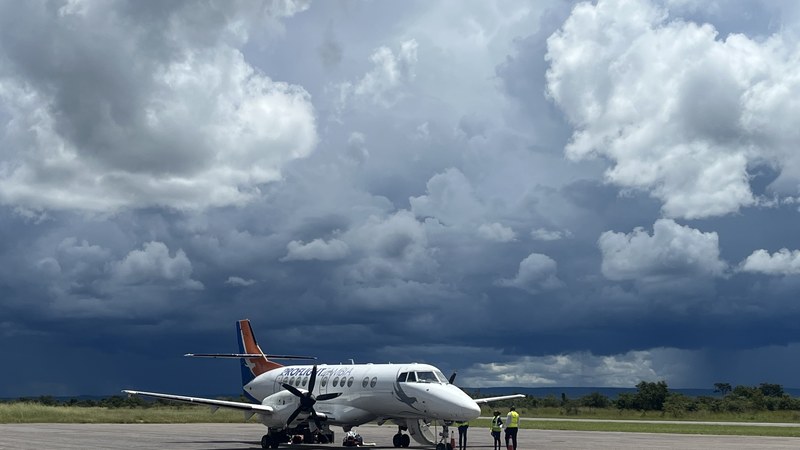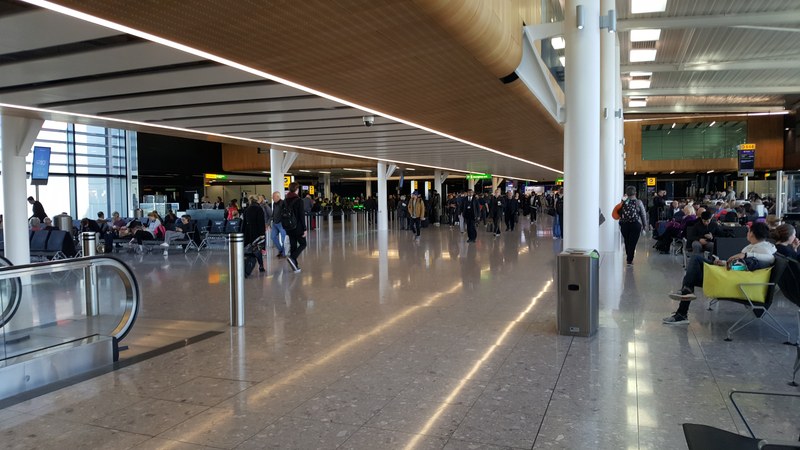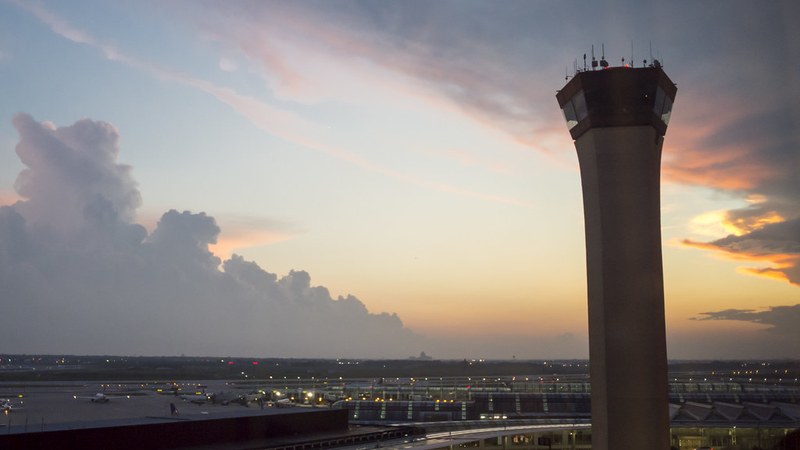
Storm Boelo led to complete cancellations of all flights at London Heathrow and Gatwick Airports on October 25, 2026. More than 1,500 flights were delayed or cancelled across major UK airports including Manchester, Edinburgh, Glasgow, Dublin, Leeds Bradford, Belfast City, and Belfast International as severe winds and flooding impacted northern England, Scotland, and Northern Ireland.
Airport Disruptions at Major UK Hubs
Heathrow and Gatwick airports did not operate any flights on October 25, with all scheduled departures and arrivals halted. Belfast International Airport cancelled around 40 flights, while Belfast City Airport suspended services on routes linking London, Aberdeen, Glasgow, Edinburgh, and Liverpool. Manchester, Edinburgh, Glasgow, Dublin,
and Leeds Bradford also experienced widespread delays and cancellations totaling over 1,500 affected flights. Passengers faced significant disruptions with many flights unable to operate due to the storm’s effects.
Rail, Ferry, and Road Transport Interruptions
Storm Boelo’s impact extended to rail and ferry operations as well. Rail providers Avanti West Coast and TransPennine Express imposed restrictions; Avanti advised against travel north of Preston on October 25, and TransPennine Express recommended journeys be limited to essential travel during the weekend of October 24-25. Ferry operator Stena Line cancelled morning sailings from Belfast to Cairnryan and Liverpool, while P&O Ferries also cancelled select routes from Cairnryan and Larne.
Road closures occurred across Northern Ireland and Scotland caused by fallen trees, flooding, and structural damage, worsening travel conditions.
Power Outages in Northern Ireland and Republic of Ireland
Northern Ireland Electricity Networks (NIE) reported power outages affecting approximately 12,500 properties. By the evening of October 25, around 11,500 customers had their power restored. In the Republic of Ireland, about 5,000 homes, farms, and businesses remained without electricity as crews from ESB Networks worked to restore services. Temporary flood defenses remained in place within Belfast to mitigate ongoing flooding risks.
Official Responses and Weather Warnings
The Department for Infrastructure (DfI) in Northern Ireland received roughly 470 reports related mainly to fallen trees, branches, and surface
water accumulation on roads. A DfI spokesperson said, “This has mainly included fallen trees and branches and surface water build up on roads. Staff worked throughout the day to respond to incidents.” Andrew Cupples, head of system operations at Northern Ireland Electricity Networks, stated, “Thanks to the efforts of our engineers, contracting partners and support staff, we have now been able to restore power to around 11,500 customers.” A Belfast City Airport spokesperson commented, “Due to adverse weather conditions across the UK, there may be disruption to flights due to arrive and depart.”
The Met Office issued amber wind warnings
for northern England, Scotland, and Northern Ireland on October 25, with gusts reaching up to 85 mph in some areas. The strongest wind gusts in Northern Ireland were 78 mph at Orlock Head, County Down, 73 mph at Magilligan, County Londonderry, and 70 mph at Castlederg, County Tyrone. Yellow wind warnings ended midday on October 25 in Northern Ireland, but amber warnings stayed effective until 9 pm. The Environment Agency in England issued 66 flood alerts and 10 flood warnings, while the Scottish Environment Protection Agency reported 34 flood warnings and 11 flood alerts across Scotland.