An air traffic control flight processing system failure caused the cancellation of over 1,000 flights across the United Kingdom on Tuesday, 25 October 2026, affecting 15 airports including Heathrow, Gatwick, Stansted, London City, Manchester, Birmingham, and airports in Scotland.
Airline and Airport Disruptions
Heathrow Airport resumed departures but suspended arrivals for the remainder of the evening. British Airways canceled or diverted more than 100 flights, while Ryanair canceled over 50 flights, reporting that more than 65,000 passengers were affected. EasyJet also reported delays and some flight cancellations attributed to the air traffic control system failure. Gatwick and other airports experienced heavy delays and cancellations,
with flights to Ireland and other European destinations impacted.
Passenger Experiences Amid Delays
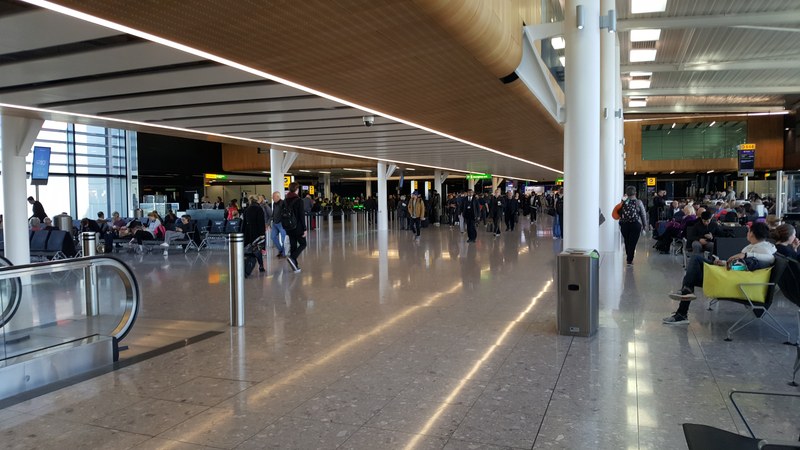
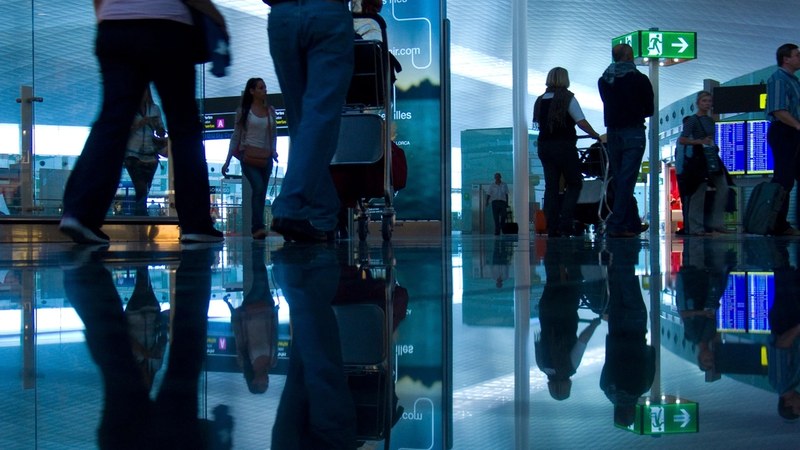
Thousands of passengers were stranded at airports and on planes for hours. British Airways reported a flight delayed on the ground at Heathrow for four hours before departure. At Gatwick, passenger Josie Donoghue spent three hours on board her aircraft before her flight was canceled, describing the situation as “an absolute nightmare” and likening exiting the airport to “trying to get out of Alcatraz.” Passengers encountered long waits at baggage claim areas, where no assistance was available and were directed to file claims themselves.
Official Responses and Cause of Disruption
National Air Traffic Services resolved the flight
processing system problem during the evening of 25 October. British Airways said the issue was entirely beyond their control, describing it as “incredibly frustrating for our customers and colleagues” and noted the disruption caused a significant knock-on effect due to aircraft and crew being out of position.
Scope and Continuing Impact
The system failure disrupted flight operations at 15 UK airports, including London City, Stansted, Manchester, Birmingham, and airports in Scotland. The disruption created a backlog of delayed flights, with airlines and airports working overnight to restore normal operations. Budget airline EasyJet reported the failure caused delays across Europe. The ripple effects extended beyond
the initial airports as flight schedules adjusted to manage the disruption.